
Nature and Marine Governance in East Africa
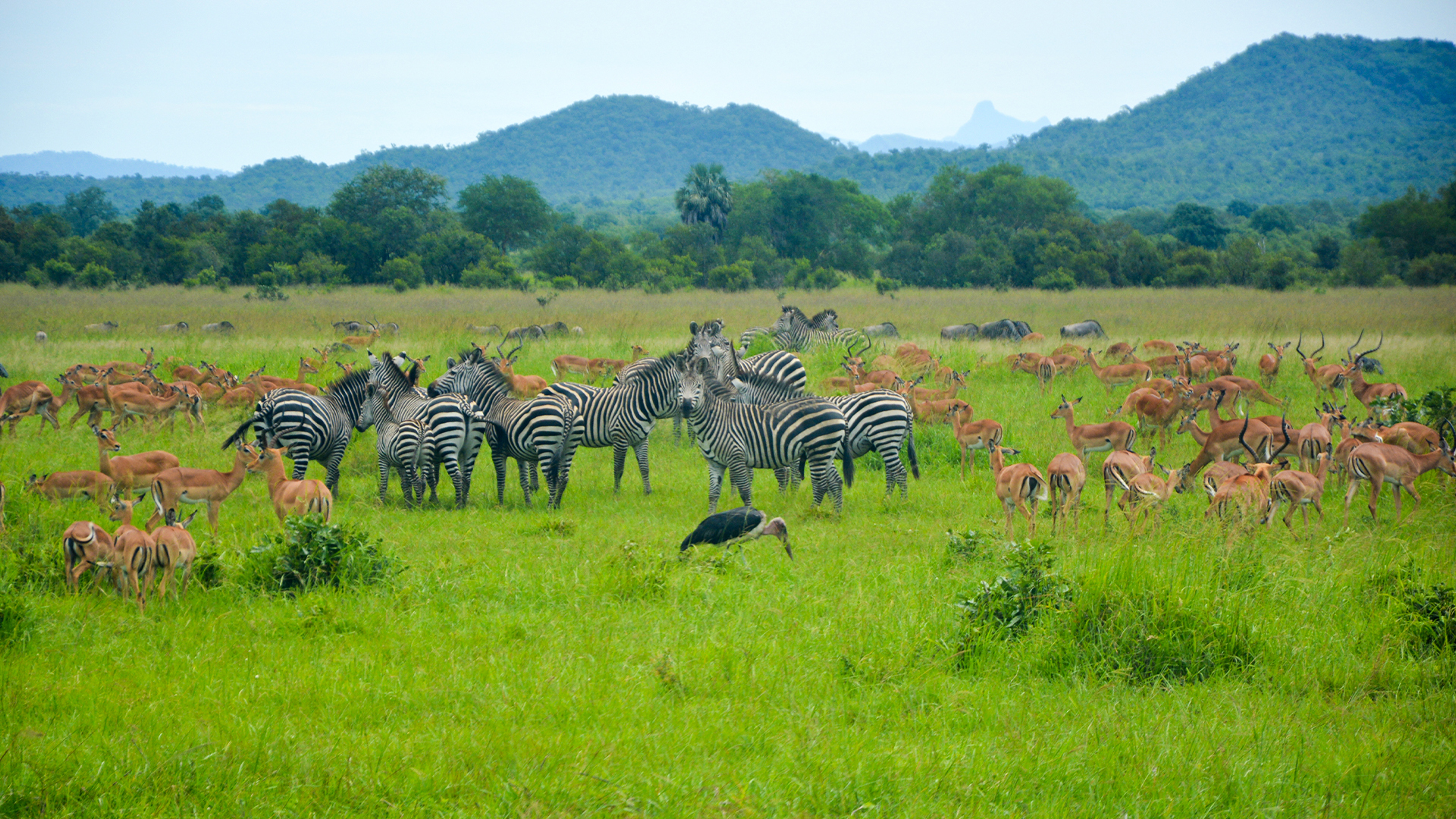 This program works to strengthen governance, community economic resilience and reduction of nature crimes. The high demand for Africa’s natural resources, weak and conflicting governance regimes and corruption are big enablers of Nature Crimes. East Africa and Tanzania is vulnerable and a conduit for nature crimes. Economic pressures, community beliefs and limited awareness are local drivers.
Nature is at risk. Globally, nature crimes—defined as illegal acts that damage the environment, including wildlife trafficking, illegal logging, mining, and fishing—are a massive, rapidly growing global issue, and now ranked as the third-largest criminal sector worldwide. Nature crimes affect biodiversity and healthy ecosystems critical for the survival of humankind worldwide and estimated to generate between USD 91bln and USD 280 bln in illegal revenue annually. Transnational organized crime groups, which utilize these profits to bankroll other serious offenses, drive these illegal activities.
East Africa is vulnerable to nature crimes (OC Index 2025). Illegal, unregulated and unreported logging, mining, wildlife trafficking and fishing is rampant. Illegally acquired nature products are transacted across East Africa and shipped via porous land borders, air and seaports to foreign markets worldwide.
Illicit Wildlife Trade in Tanzania
Tanzania’s vulnerability and role as a conduit for illicit wildlife trafficking has been documented in multiple reports (Countering Illicit Wildlife Trade Through Tanzania’s Seaports, Workshop Proceedings-October 2019) and its role as a global wildlife biodiversity hotspot is undermined by sharp declines in iconic species.
Illegal Fishing and Marine Governance in Tanzania
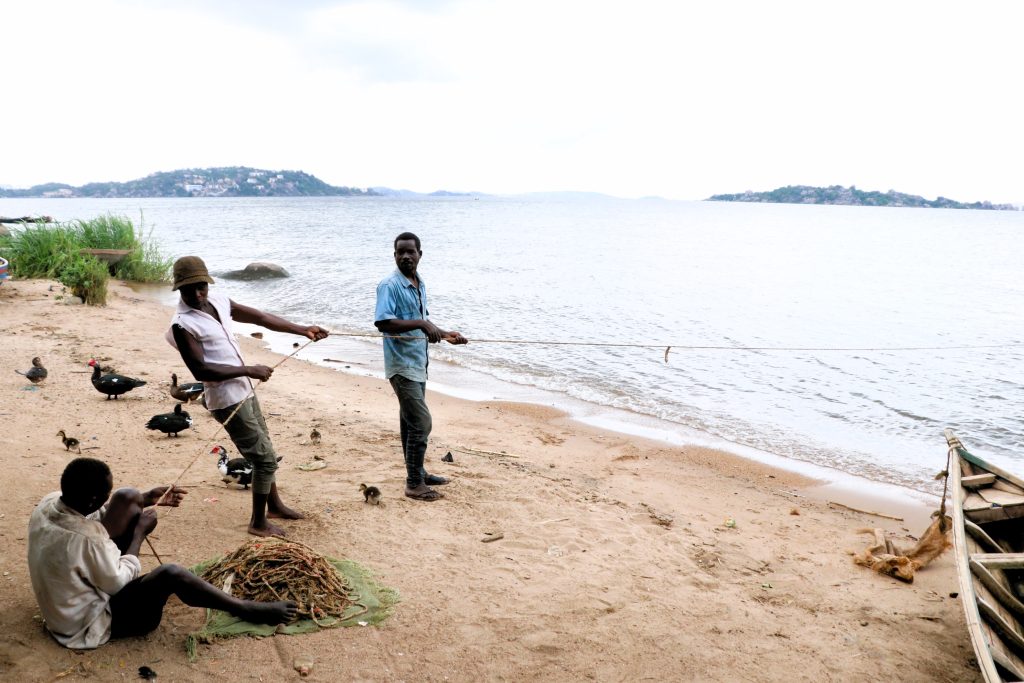 Harmful fishing practices in Tanzania’s marine ecosystems affects local communities while Illegal fishing by large trawlers along Tanzania’s Swahili coastline displaces billions of US dollars in lost national revenue to Tanzania. Generally, Tanzania scores poorly on the IUU fishing index with a vulnerability ranking of 2.33 (IUU Fishing Risk Index 2025). Tanzania’s fish stocks on Tanzania’s waterbodies has reduced significantly and caused some factories to close (GEPC, 2025)
Our projects in Tanzania focus on:
- Wild Life Governance: Promotion of sustainable wildlife governance, community economic resilience and disruption of illicit wildlife trade in Tanzania (IWT).
- Marine Governance: Promotion of sustainable marine and blue economy, community economic resilience initiatives and disruption of harmful and illicit fishing practices.
Our Activities
- Evidence Based Research and advocacy
- High Level Stakeholders and Academia interactive dialogues
- Support sustainable Wildlife, Marine, Tourism and Community Economic Resilience initiatives
- Promote Seaweed Farming a sustainable economic activity along Tanzania Swahili Coastline
4.5 Fundraising, Resource Mobilization and Sustainability:
GEPC aspires to be a well-resourced and sustainable impactful organization. We are actively looking for partners to support, sponsor or partner with us in delivering the projects under this program. This program is so far supported by:

For more about this program contact us via: Tel: +255 754 844410/ +254 717 872034, Email: info@gepc.or.tz or moses@gepc.or.tz Website: www.gepc.or.tz