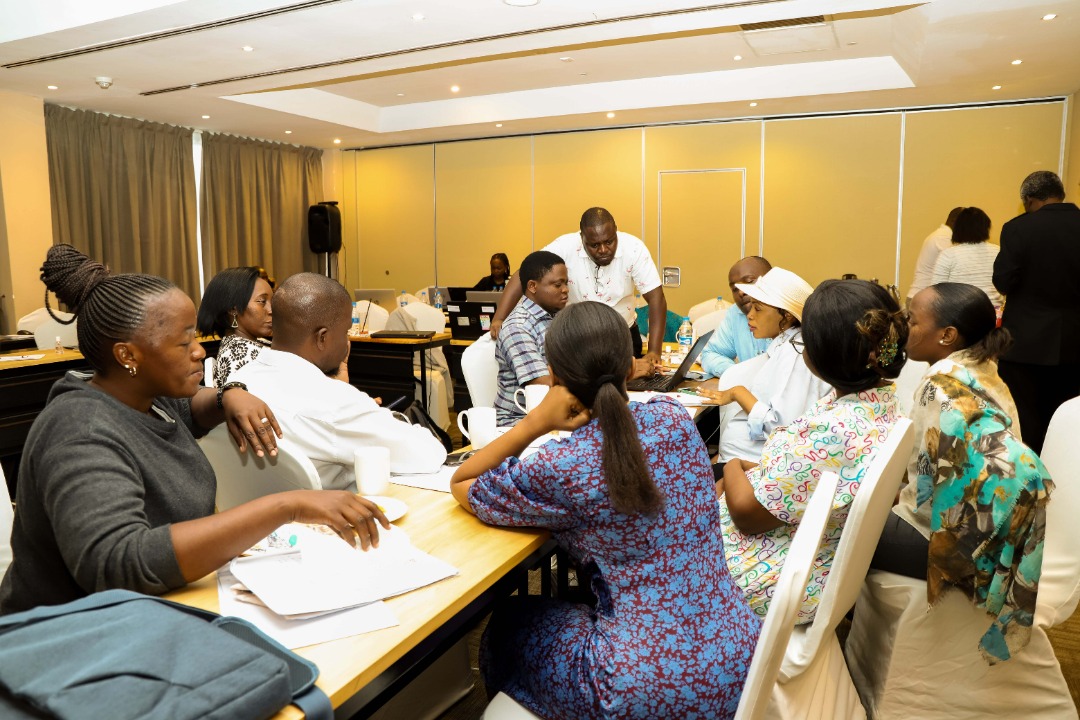
 Critical Minerals Governance and Management Course
Every year under this program we offer a flagship on 8-13 Weeks Course on Critical Minerals Governance and Management
Africa is central to the global supply of critical minerals required for clean energy technologies, battery storage systems, digital infrastructure, and defence industries. Yet the governance of these minerals remains contested, with challenges including weak regulatory systems, corruption risks, environmental degradation, geopolitics and conflict-affected supply chains, illicit financial flows, and limited domestic value addition.
While critical minerals may be viewed connotatively like any other minerals, their distinct characteristics, spatially restricted distribution and significant role they will play in driving the technology to support a clean future makes them a special type of minerals warranting special governance, management and leadership emphasis.
This course equips participants with strategic, governance, compliance and development skills and tools needed to manage critical minerals responsibly, ensuring these resources support sustainable extraction, industrialization and inclusive development. Participants further gain knowledge and understanding of the contemporary debates, the political economy, geopolitical risks and how to interact with different stakeholders, develop and manage the prerequisite regulatory landscape to drive investment into the sector in a just and sustainable development manner.
The Critical Minerals Governance and Management Course is designed to provide participants with both conceptual understanding and practical tools for influencing, designing, and implementing sustainable solutions. The course content is structured into 13 interlinked topics, each addressing a critical dimension of critical minerals governance, management and leadership in Africa.
To apply, send your support documents (Motivation letter, CV , recommendation and Headshot photo) must be sent as a single PDF or word file to: training@gepc.ortz
 Mining Responsible Business Conduct and Minerals Certification
Mining and processing transition minerals risk damaging landscapes, degrading biodiversity, and fueling greenhouse emissions and human rights abuses. For example, mining of gold, diamond and other precious minerals involves blasting excavation of land surfaces measuring hundreds of square miles wide thousands of kilometers deep. Extracting just one ton of lithium as a critical mineral consumes about 2 million liters of water, with nearly half of global copper and lithium production occurring in water-stressed regions
Globally and regionally, the policy landscape has evolved, with emphasis on managing the mining sector in a manner that is consistent with Responsible Business Conduct (RBC) and respect for human rights. An 2024 UN-convened expert panel report issued guiding principles and actionable recommendations to ensure that the global energy transition is pursued with equity, justice, and sustainability, explicitly warning against adverse impacts on communities. There are further concerns that competition and mining for these resources could worsen existing tensions and escalate mineral-driven conflicts in countries and mining communities. Weak policies and institutions in mineral-rich nations exacerbate such risks, rendering it imperative to navigate the transition minerals sector without adverse repercussions on human rights.
In this regard, the UN, OECD, EU and AU have developed global and regional frameworks to address the human rights, environmental, social, and governance challenges associated with transition minerals. These include the United Nations Guiding Principles (UNGPs), the OECD Guidelines for Responsible Sourcing, the AMV and the Africa Green Minerals Strategy (AGMS), among others. These require that governments put in place adequate policies and legal measures and implement them to protect citizens against human rights harm or abuse associated with business activities.[1] Although not all frameworks may be legally binding, they provide relevant and persuasive globally accepted standards that countries can benchmark against in developing robust national minerals governance frameworks.
Moreover, regional mechanism such as the ICGLR and Kimberly Process (KP) certification mechanisms exist to enhance responsible sourcing and mitigate conflict driven. These however have governance gaps and face serious lack of political will to implement.
Our projects focus on:
- Promotion of Responsible Business Conduct in Mining: Promotion of sustainable and ethical mining governance frameworks and mitigation of harm caused by mining.
- Minerals Certification and Chain of Custody: Strengthens and promotes regional minerals certification and chain of custody mechanisms such as the Kimberly Process and ICGLR, reducing illicit and conflict minerals proliferation.
Our Activities
- Evidence Based Research and advocacy
- High Level Stakeholders and Academia interactive dialogues
- Support of ICGLR and UNOESGL initiatives to end mineral driven conflicts in East Africa and ICGLR Region.
[1] https://www.ohchr.org/sites/default/files/documents/publications/guidingprinciplesbusinesshr_en.pdf
 Sustainable Energy Policy Regulation and Financing Course
Every year under this program we offer a flagship 8-13 Weeks Course on Sustainable Energy Policy, Regulation and Financing
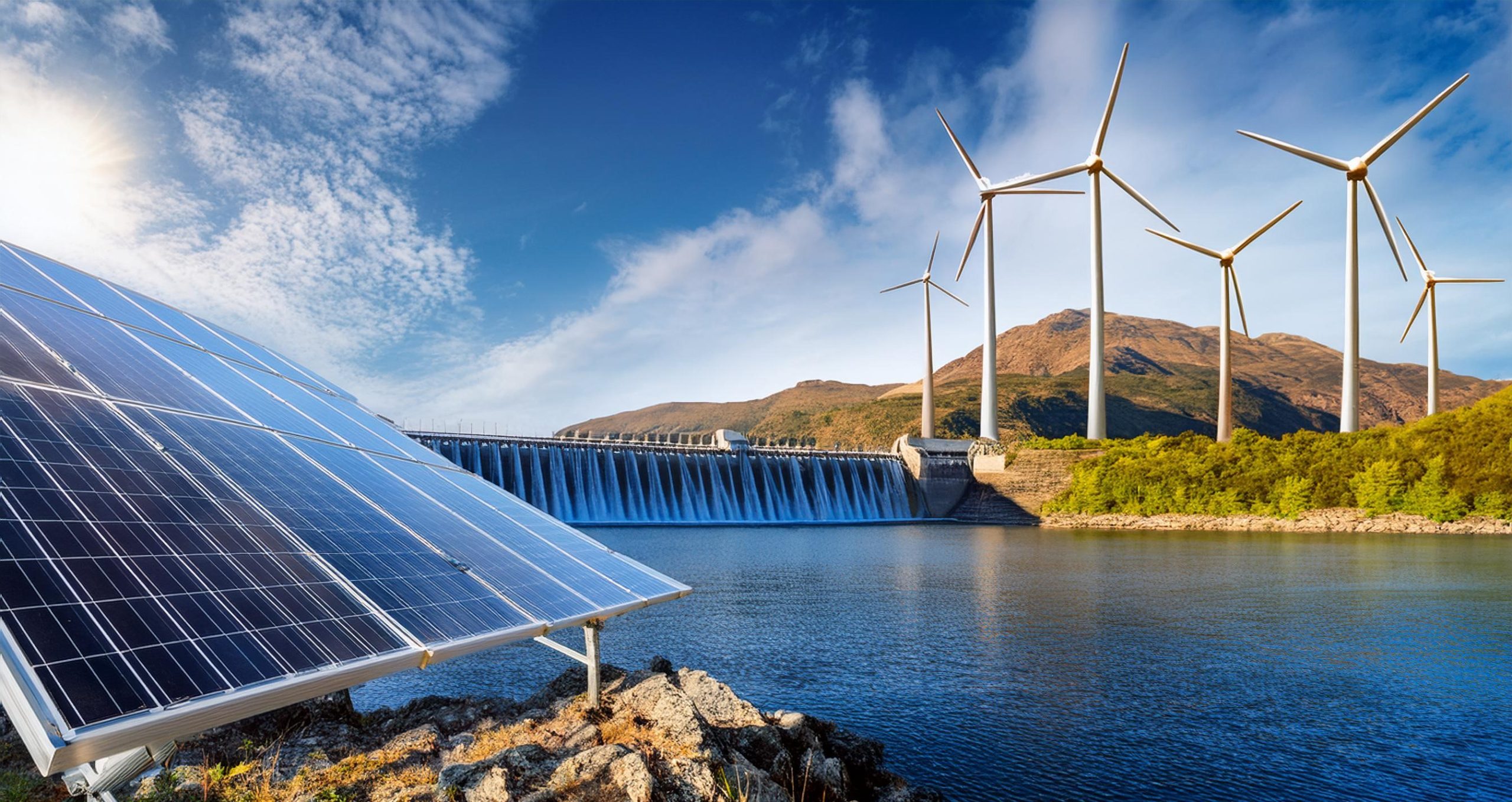
Sustainable energy is central to meeting these challenges. Defined as clean, reliable, affordable, and equitable, sustainable energy supports national development needs while minimizing environmental harm and fostering long-term economic, social, and environmental sustainability. Integrated sustainable energy systems combine renewable sources—such as solar, wind, hydro, geothermal, and biomass—with modern technologies, smart grids, and storage solutions to deliver energy efficiently, reduce greenhouse gas emissions, and expand access to underserved communities.
Continentally, Africa continues to face significant energy access deficits, with approximately 600 million people lacking reliable electricity and 970 million without access to clean cooking solutions. Only about 25% of electricity in the region comes from renewable sources, despite Africa possessing around 60% of the world’s best solar potential. These gaps highlight the urgent need for effective policy, regulation, and financing strategies to mobilize investment, accelerate energy transition, and achieve energy equity.
However, in Eastern Africa and Africa generally, policy and regulatory mismatch, limited knowledge and expertise hinder the ability of governments, civil society, and private actors to navigate evolving global energy policies and regulatory frameworks. Accessing climate finance and developing bankable green economy projects remains challenging. Consequently, strengthening skills, policy understanding, regulatory capacity, and financing literacy is critical to accelerate the transition to sustainable clean energy and scale up investment in the green economy, providing jobs and sustainable development.
This course is designed to equip public policymakers, civil society actors, private sector stakeholders, and financial institutions with the knowledge, skills, and tools to shape and implement sustainable energy policies, advance regulatory reforms, and unlock financing for a just and equitable green economy. A diverse faculty of experts drawn from GEPC technical ecosystem, global partners and experts, combining practical experience, policy insights, and technical expertise, facilitates it. Interested participants join by sending applications(Motivation letter, CV , recommendation and Headshot photo) to: Training@gepc.or.tz.
 Nature and Marine Governance projects
This program works to strengthen governance, community economic resilience and reduction of nature crimes. The high demand for Africa’s natural resources, weak and conflicting governance regimes and corruption are big enablers of Nature Crimes. East Africa and Tanzania is vulnerable and a conduit for nature crimes. Economic pressures, community beliefs and limited awareness are local drivers.
Nature is at risk. Globally, nature crimes—defined as illegal acts that damage the environment, including wildlife trafficking, illegal logging, mining, and fishing—are a massive, rapidly growing global issue, and now ranked as the third-largest criminal sector worldwide. Nature crimes affect biodiversity and healthy ecosystems critical for the survival of humankind worldwide and estimated to generate between USD 91bln and USD 280 bln in illegal revenue annually. Transnational organized crime groups, which utilize these profits to bankroll other serious offenses, drive these illegal activities.
East Africa is vulnerable to nature crimes (OC Index 2025). Illegal, unregulated and unreported logging, mining, wildlife trafficking and fishing is rampant. Illegally acquired nature products are transacted across East Africa and shipped via porous land borders, air and seaports to foreign markets worldwide.
Illicit Wildlife Trade in Tanzania
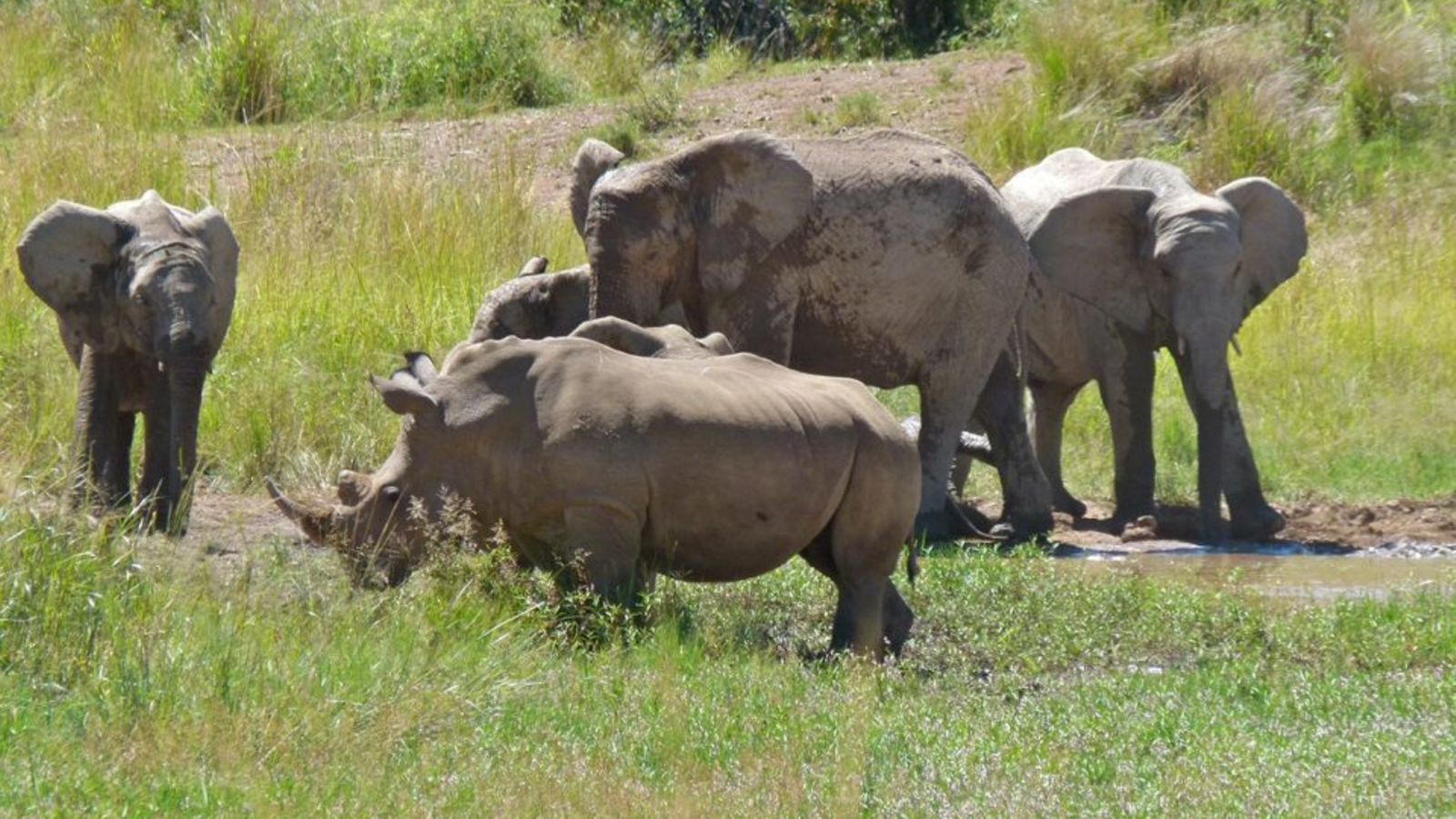
Tanzania’s vulnerability and role as a conduit for illicit wildlife trafficking has been documented in multiple reports (Countering Illicit Wildlife Trade Through Tanzania’s Seaports, Workshop Proceedings-October 2019) and its role as a global wildlife biodiversity hotspot is undermined by sharp declines in iconic species.
 Illegal Fishing and Marine Governance
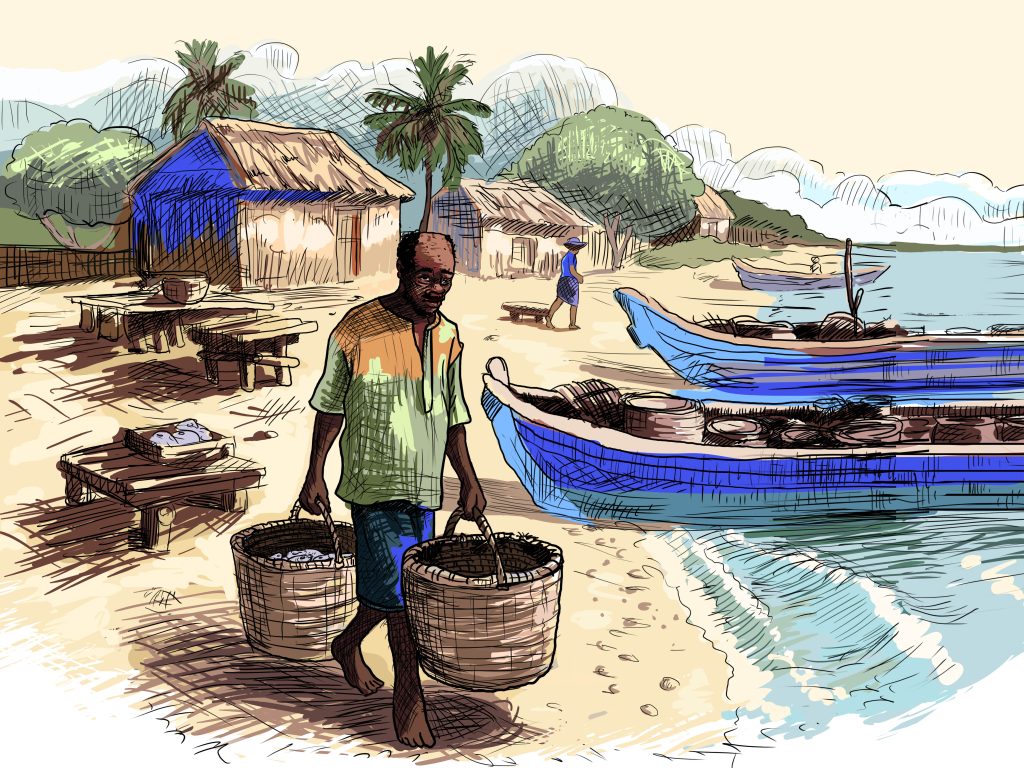
Harmful fishing practices in Tanzania’s marine ecosystems affects local communities while Illegal fishing by large trawlers along Tanzania’s Swahili coastline displaces billions of US dollars in lost national revenue to Tanzania. Generally, Tanzania scores poorly on the IUU fishing index with a vulnerability ranking of 2.33 (IUU Fishing Risk Index 2025). Tanzania’s fish stocks on Tanzania’s waterbodies has reduced significantly and caused some factories to close (GEPC, 2025)
Our projects in Tanzania focus on:
- Wild Life Governance: Promotion of sustainable wildlife governance, community economic resilience and disruption of illicit wildlife trade in Tanzania (IWT).
- Marine Governance: Promotion of sustainable marine and blue economy, community economic resilience initiatives and disruption of harmful and illicit fishing practices.
Our Activities
- Evidence Based Research and advocacy
- High Level Stakeholders and Academia interactive dialogues
- Support sustainable Wildlife, Marine, Tourism and Community Economic Resilience initiatives
- Promote Seaweed Farming a sustainable economic activity along Tanzania Swahili Coastline
Fundraising, Resource Mobilization and Sustainability:
GEPC aspires to be a well-resourced and sustainable impactful organization. We are actively looking for partners to support, sponsor or partner with us in delivering the projects under this program.
For more about this program contact us via: Governance and Economic Policy Centre: Tel: +255 754 844410/ +254 717 872034, Email: info@gepc.or.tz or moses@gepc.or.tz Website: www.gepc.or.tz