
Over decades good governance of the extractive sector has remained elusive yet with improvements, the sector can unlock tremendous economic potential, sparing Tanzania and the entire East Africa region faster to a middle income economy status.
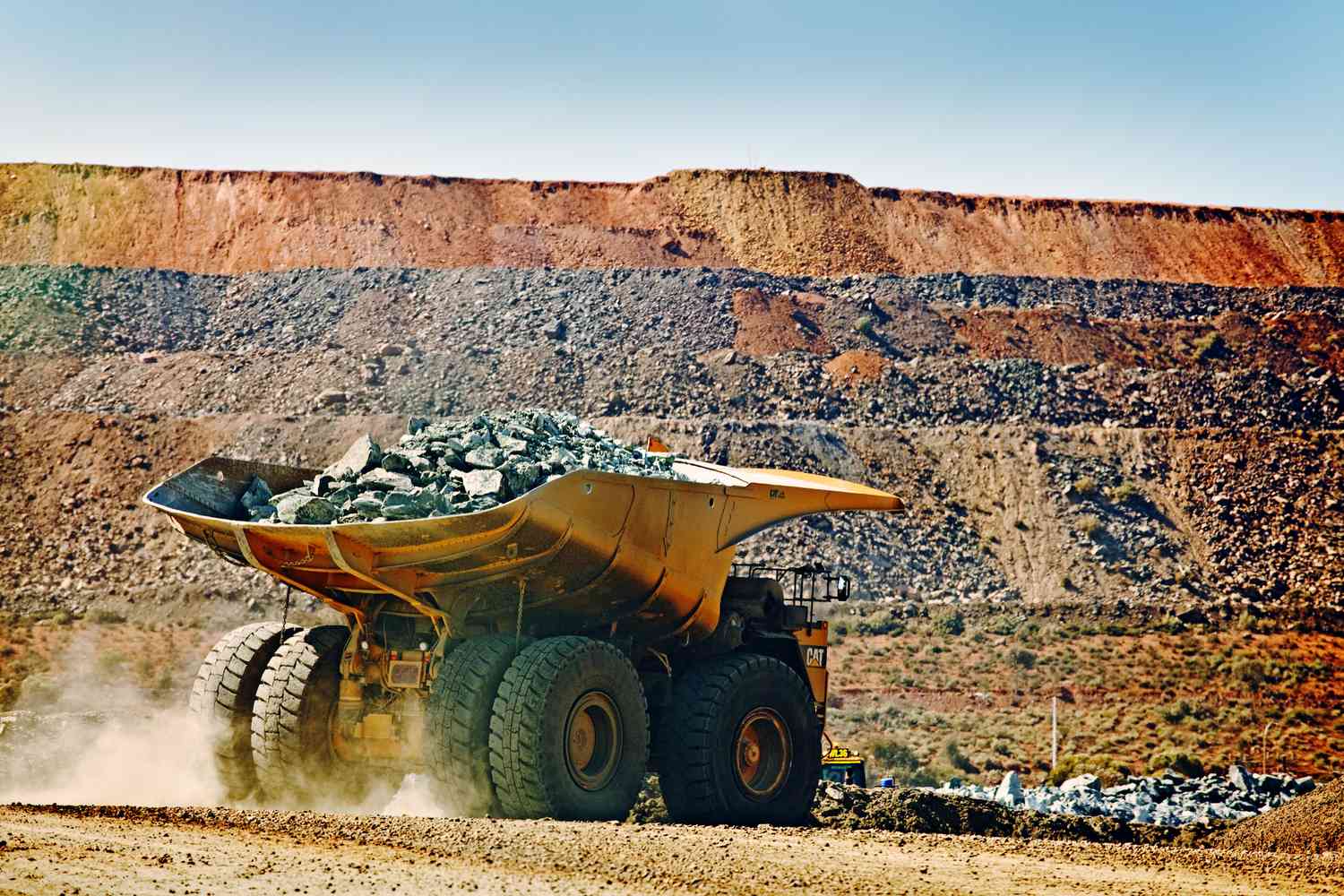 Under this program we undertake targeted extractive sector governance analyses aimed at influencing extractive resource governance, human rights and reduced harm from extraction. We advocate for extractive governance reforms and promote accountability, value maximization and lasting benefits from the current and future of extractives. We anchor the national and regional issues to the continental and global discourse on extractive sector governance and its impact on citizens and development. We actively engage in the political economy analysis and discourse of extractive sector governance, facilitating citizens, governments and extractive companies to take measures that reduce harm from the sector.
Tanzania and the East African Community (EAC) as a region is endowed with vast deposits of extractive resources particularly minerals and natural gas. However the history of abundant mineral wealth and mining in mineral rich countries has not been good. It is dotted with conflicts, concerns of missed opportunities and limited dividends to mineral rich countries and communities in the mining areas. Environmental, Human rights, community rights and transparency gaps exist.
Tanzania and East Africa generally has both strategic and green minerals whose role in a future clean transition. With the Democratic Republic of Congo, the EAC combined has the largest concentration of critical minerals such as graphite, lithium, copper, cobalt and the 3Ts in Africa. This could be an opportunity but significant governance challenges exist and will need to be addressed. Minerals are drivers of conflicts. Policy and legal regulatory gaps, community, environmental and economic justice concerns exits.
Moreover, Tanzania and East Africa generally is an aspiring future gas and petroleum producer. Its projected that Uganda will export its first oil by end in 2026. Tanzania has vast deposits of coal and natural gas. The government has coal and natural gas as strategic resources positioned to drive the Country’s energy and industrial agenda. With confirmed deposits of 1.9 billion tones of coal reserves of which 25 percent are proven and at least 57 Tcf of Natural Gas, Tanzania is an extractive giant and could be new large gas exporter in the nearest future. Yet, there are specific concerns on the prospects and risks of fossil-based resources such as Oil, Gas, and Coal in a future decarbonized global economy. Knowledge and Capacity gaps exist.
Tanzania and EAC’s extractive governance challenges can replicated all over the African continent. Generally, Africa has been the source of materials for global progress with its extractive resources exploited as raw materials for export to elsewhere. The surging demand for renewable energy and critical minerals must not push the continent further into poverty and inequality, exacerbated environmental degradation and health risks, corruption, aggressive tax abuse and a new wave of mineral driven conflicts, violence, and death.
GEPC’s products in the form of short analytical pieces, convenings, trainings, and advocacy renderings targeting citizens, government, institutions, and relevant actors generates knowledge, and competencies to influence reforms and practices in the short-term and long-term towards a conducive environment supporting equitable and sustainable development.
Our projects in Tanzania and ICGLR Region focus on:
- Extractive Policy and Regulatory Reforms: Supporting policy and legislative reform processes
- Expanding Transparency and Accountability
- Responsible Business Conduct and Minerals Certification: Promotion of transparency, economic justice, responsible business conduct, and regional certification of minerals.
- Green or Critical Minerals Governance and Management: Capacity building and skills development for sustainable critical minerals governance and management.
Our Activities
- Evidence Based Research, advocacy and training
- High Level Stakeholders and Academia interactive dialogues, webinars and colloquiums
- Critical Minerals Governance and Management Course
Transparency and Accountability
The extractive has shrouded with opacity. Increased transparency, citizen participation and oversight is fundamental. All these are important in achieving longterm social, economic and transformation from the extractive sector as stipulated the government’s national development plans and Africa’s Mining Vision. Tanzania is a member of the EITI and transparency has improved since 2015 when the Tanzania Extractive Industries Transparency Act (TEITA) was passed. However, the government is yet to go an extra mile on contract disclosure. Governance challenges therefore still exist and the government is yet to carefully navigate around them. Other EAC member countries are yet to sign up to global transparency standards such as the EITI.
Our work focuses on expanding transparency, ensuring that national and global standards such as the EITI are fully implemented and national laws promote transparency in the extractive sector.
Mining Responsible Business Conduct and Minerals Certification
 Mining and processing transition minerals risk damaging landscapes, degrading biodiversity, and fueling greenhouse emissions and human rights abuses. For example, mining of gold, diamond and other precious minerals involves blasting excavation of land surfaces measuring hundreds of square miles wide thousands of kilometers deep. Extracting just one ton of lithium as a critical mineral consumes about 2 million liters of water, with nearly half of global copper and lithium production occurring in water-stressed regions
Globally and regionally, the policy landscape has evolved, with emphasis on managing the mining sector in a manner that is consistent with Responsible Business Conduct (RBC) and respect for human rights. An 2024 UN-convened expert panel report issued guiding principles and actionable recommendations to ensure that the global energy transition is pursued with equity, justice, and sustainability, explicitly warning against adverse impacts on communities. There are further concerns that competition and mining for these resources could worsen existing tensions and escalate mineral-driven conflicts in countries and mining communities. Weak policies and institutions in mineral-rich nations exacerbate such risks, rendering it imperative to navigate the transition minerals sector without adverse repercussions on human rights.
In this regard, the UN, OECD, EU and AU have developed global and regional frameworks to address the human rights, environmental, social, and governance challenges associated with transition minerals. These include the United Nations Guiding Principles (UNGPs), the OECD Guidelines for Responsible Sourcing, the AMV and the Africa Green Minerals Strategy (AGMS), among others. These require that governments put in place adequate policies and legal measures and implement them to protect citizens against human rights harm or abuse associated with business activities.[1] Although not all frameworks may be legally binding, they provide relevant and persuasive globally accepted standards that countries can benchmark against in developing robust national minerals governance frameworks.
Moreover, regional mechanism such as the ICGLR and Kimberly Process (KP) certification mechanisms exist to enhance responsible sourcing and mitigate conflict driven. These however have governance gaps and face serious lack of political will to implement.
Our projects focus on:
- Promotion of Responsible Business Conduct in Mining: Promotion of sustainable and ethical mining governance frameworks and mitigation of harm caused by mining.
- Minerals Certification and Chain of Custody: Strengthens and promotes regional minerals certification and chain of custody mechanisms such as the Kimberly Process and ICGLR, reducing illicit and conflict minerals proliferation.
Our Activities
- Evidence Based Research and advocacy
- High Level Stakeholders and Academia interactive dialogues
- Support of ICGLR and UNOESGL initiatives to end mineral driven conflicts in East Africa and ICGLR Region.
Critical Minerals Governance and Management Course
Every year under this program we offer a flagship on 8-13 Weeks Course on Critical Minerals Governance and Management
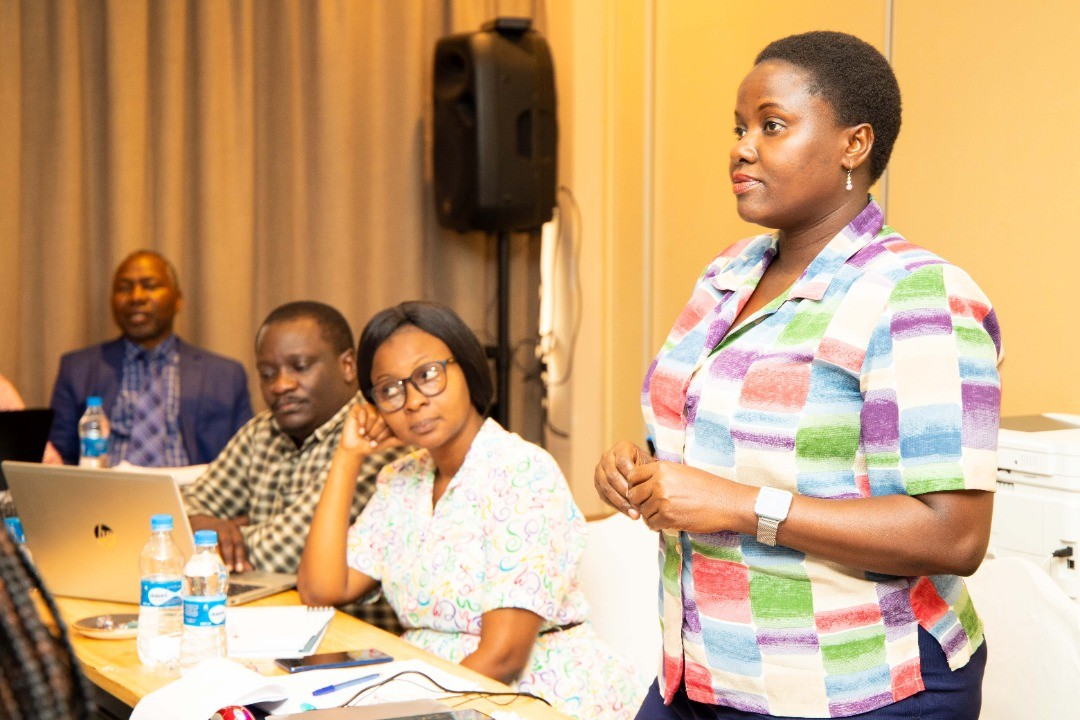 Africa is central to the global supply of critical minerals required for clean energy technologies, battery storage systems, digital infrastructure, and defence industries. Yet the governance of these minerals remains contested, with challenges including weak regulatory systems, corruption risks, environmental degradation, geopolitics and conflict-affected supply chains, illicit financial flows, and limited domestic value addition.
While critical minerals may be viewed connotatively like any other minerals, their distinct characteristics, spatially restricted distribution and significant role they will play in driving the technology to support a clean future makes them a special type of minerals warranting special governance, management and leadership emphasis.
This course equips participants with strategic, governance, compliance and development skills and tools needed to manage critical minerals responsibly, ensuring these resources support sustainable extraction, industrialization and inclusive development. Participants further gain knowledge and understanding of the contemporary debates, the political economy, geopolitical risks and how to interact with different stakeholders, develop and manage the prerequisite regulatory landscape to drive investment into the sector in a just and sustainable development manner.
The Critical Minerals Governance and Management Course is designed to provide participants with both conceptual understanding and practical tools for influencing, designing, and implementing sustainable solutions. The course content is structured into 13 interlinked topics, each addressing a critical dimension of critical minerals governance, management and leadership in Africa. To apply, send your support documents (Motivation letter, CV and Headshot photo) must be sent as a single PDF or word file to: training@gepc.ortz
4.5 Fundraising, Resource Mobilization and Sustainability:
GEPC aspires to be a well-resourced and sustainable organization. We are therefore actively looking for partners to support, sponsor or partner with us in delivering the projects under this program.
For more about this program contact us via: Tel: +255 754 844410, Email: info@gepc.or.tz or moses@gepc.or.tz Website: www.gepc.or.tz
[1] https://www.ohchr.org/sites/default/files/documents/publications/guidingprinciplesbusinesshr_en.pdf