 This program seeks to strengthen regional, national and community resilience, mitigation and adaption measures to climate change, promoting green economic revolution and access to sustainable energy
Climate change presents an urgent global challenge, with the most severe impacts disproportionately affecting less developed countries such as Tanzania and Africa generally. Despite international commitments under the Paris Agreement and subsequent UN Climate Conferences (CoP27 and CoP28), developing countries face significant barriers in accessing technology, finance, and expertise to transition to clean energy. Global climate governance and financing architecture has left low-income countries under-resourced and underrepresented, creating complex challenges for equitable and just energy transitions.
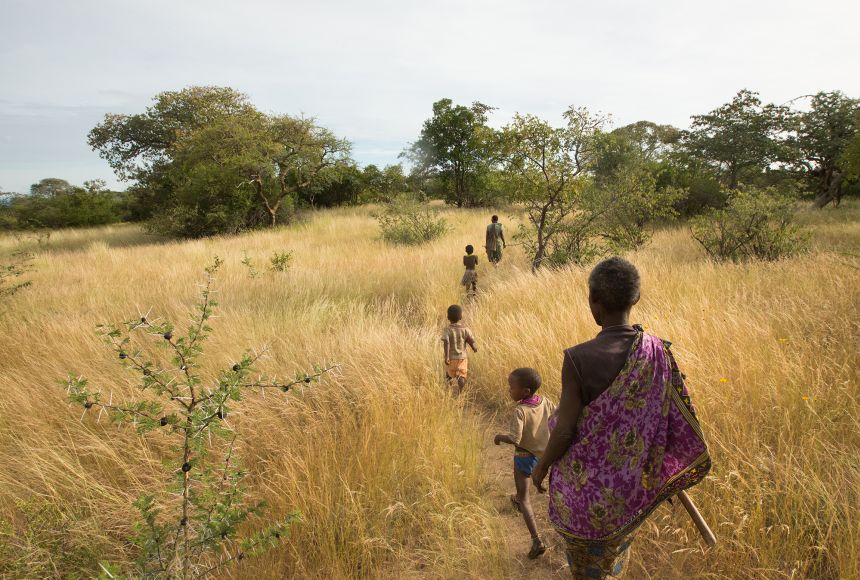
The impact of climate change is happening faster than earlier predicted and its effects on poor and vulnerable communities’ dependent earthly resources such as agriculture and water are immense. Women, girls and indigenous communities in poor countries are largely affected.
Positions are diverse but widely unknown to citizens. National climate adaptation plans are underfunded. Countries and communities are vulnerable. Concerns that the current global climate change discussions are biased and unfair to less developed countries such as Tanzania and Africa at large exist.
In Eastern Africa and Africa generally, policy frameworks and regulatory mechanisms for sustainable energy remain underdeveloped, poorly communicated, and inadequately enforced. This has created critical gaps in governance, technical capacity, and financing, limiting the country’s ability to expand clean energy access, reduce emissions, and achieve its climate commitments. Improved governance, Strengthening national capacity, promoting citizen engagement, and enhancing advocacy for policy reform and action are therefore essential to support a just and inclusive energy transition.
GEPC work under this program addresses;
- Climate Change and Just Transitions
- Clean and Renewable Energy Policy and Transition
- Climate Change and Green Economy Taxation and Financing
Our Activities include:
- Short Study researches and technical policy outputs
- Public dialogues, webinars and colloquiums
- Trainings on Sustainable Energy
4.2 Sustainable Energy Policy Regulation and Financing Course
 Every year under this program we offer a flagship 8-13 Weeks Course on Sustainable Energy Policy, Regulation and Financing
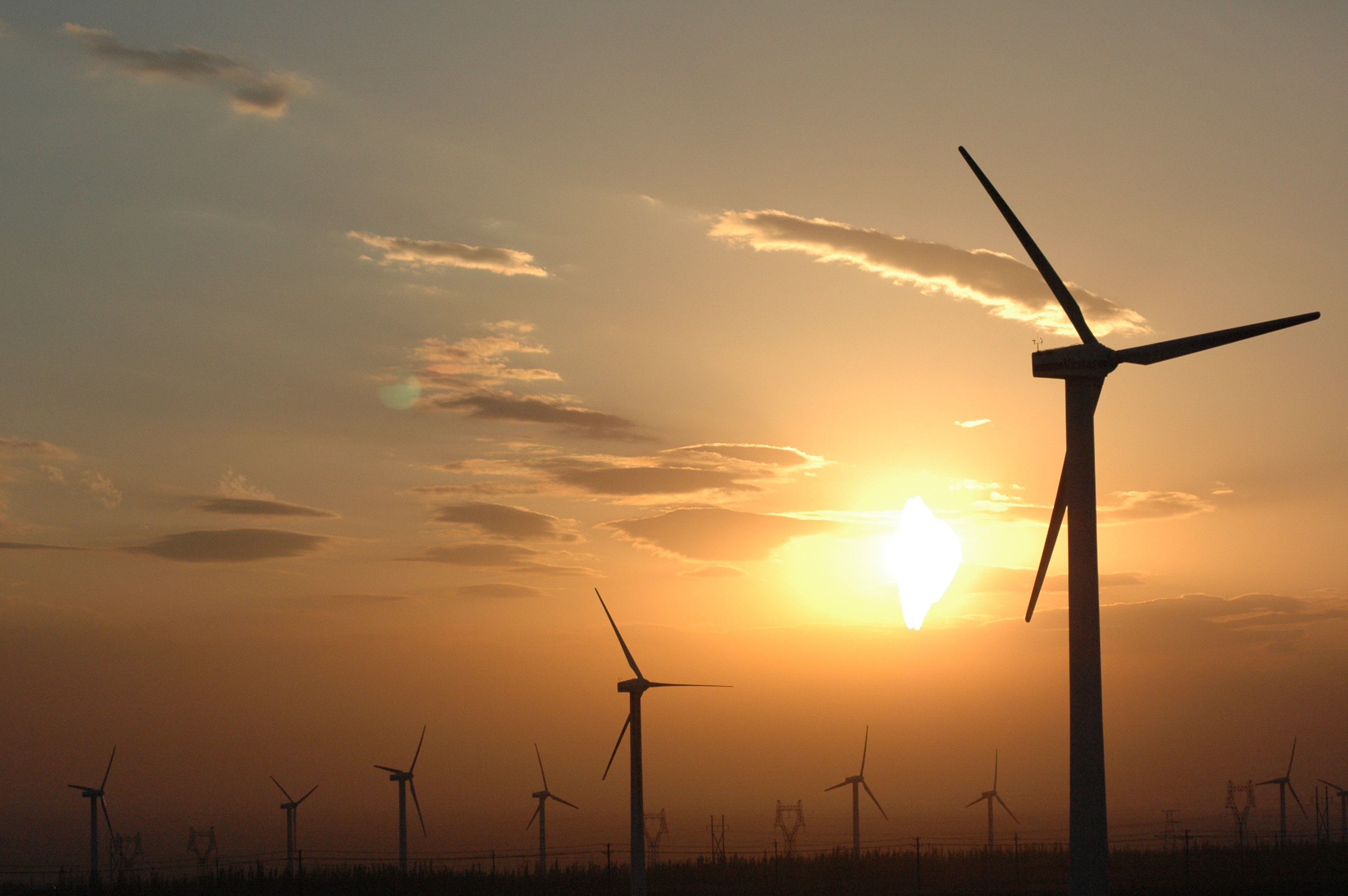
Sustainable energy is central to meeting these challenges. Defined as clean, reliable, affordable, and equitable, sustainable energy supports national development needs while minimizing environmental harm and fostering long-term economic, social, and environmental sustainability. Integrated sustainable energy systems combine renewable sources—such as solar, wind, hydro, geothermal, and biomass—with modern technologies, smart grids, and storage solutions to deliver energy efficiently, reduce greenhouse gas emissions, and expand access to underserved communities.
Continentally, Africa continues to face significant energy access deficits, with approximately 600 million people lacking reliable electricity and 970 million without access to clean cooking solutions. Only about 25% of electricity in the region comes from renewable sources, despite Africa possessing around 60% of the world’s best solar potential. These gaps highlight the urgent need for effective policy, regulation, and financing strategies to mobilize investment, accelerate energy transition, and achieve energy equity.
However, in Eastern Africa and Africa generally, policy and regulatory mismatch, limited knowledge and expertise hinder the ability of governments, civil society, and private actors to navigate evolving global energy policies and regulatory frameworks. Accessing climate finance and developing bankable green economy projects remains challenging. Consequently, strengthening skills, policy understanding, regulatory capacity, and financing literacy is critical to accelerate the transition to sustainable clean energy and scale up investment in the green economy, providing jobs and sustainable development.
This course is designed to equip public policymakers, civil society actors, private sector stakeholders, and financial institutions with the knowledge, skills, and tools to shape and implement sustainable energy policies, advance regulatory reforms, and unlock financing for a just and equitable green economy. A diverse faculty of experts drawn from GEPC technical ecosystem, global partners and experts, combining practical experience, policy insights, and technical expertise, facilitates it. Interested participants join by sending applications to: Taining@gepc.or.tz.
4.5 Fundraising, Resource Mobilization and Sustainability:
GEPC aspires to be a well-resourced and sustainable impactful organization. We are actively looking for partners to support, sponsor or partner with us in delivering the projects under this program.
For more about this program contact us via: Tel: +255 754 844410/ +254 717 872034, Email: info@gepc.or.tz or moses@gepc.or.tz Website: www.gepc.or.tz