Tragedy of Conflict, Economic Exclusion, and Meeting Public Economic Expectations in Times of Crisis: The Case of South Sudan


Authors: Boboya James Edimond,  Institute of Social Policy Research, South Sudan & Moses Kulaba, Governance and Economic Policy Centre

South Sudan continues to face profound economic and governance challenges rooted in prolonged conflict, institutional fragility, and structural economic exclusion. Despite abundant natural resources, particularly oil, the country has struggled to convert this wealth into broad-based economic development and improved social welfare. Persistent instability, weak public institutions, and economic mismanagement have exacerbated poverty and constrained the state’s capacity to meet public expectations for economic opportunity and effective service delivery.

This paper examines the interplay between conflict, economic exclusion, and public expectations during periods of crisis in South Sudan. Drawing on recent economic assessments and development literature, it argues that sustainable recovery requires comprehensive institutional reforms, economic diversification, and inclusive governance capable of addressing structural inequalities and restoring public trust.

Furthermore, the analysis contributes to ongoing regional debates on East African Community (EAC) national budget plans and the broader implications of the US–Israel–Iran war on energy and economic outlooks in the region. The conflict involving the United States, Israel, and Iran has caused major disruptions in global energy markets, including sharp rises in oil prices and risks to key chokepoints such as the Strait of Hormuz, which carries roughly 20% of the world’s oil supply (2026 Strait of Hormuz crisis). These external shocks underscore the need for prudent, timely resource allocation and resilient fiscal frameworks to support post‑conflict reconstruction and strengthen regional economic resilience.

  1. Introduction

South Sudan gained independence in 2011 amid widespread optimism about the prospects for peace, political stability, and economic transformation. However, the country soon experienced severe political instability and violent conflicts that undermined its development trajectory. The outbreak of civil war in 2013 and recurring localized conflicts since then have significantly weakened the economy, damaged infrastructure, and displaced millions of citizens.

Conflict has had devastating effects on economic activity, reducing agricultural production, disrupting trade networks, and discouraging private investment. As a result, economic growth has remained fragile and heavily dependent on oil revenues. The country’s economic structure is highly vulnerable to external shocks, particularly fluctuations in global oil prices and disruptions to export infrastructure.

Recent economic assessments indicate that South Sudan’s economy has experienced sustained decline over several consecutive years. The economy was projected to contract by approximately 30 % in the 2024/25 fiscal year, largely due to disruptions in oil production and declining export revenues (World Bank, 2025). Resources mobilized or provided by development partners for post-conflict reconstruction have often been misused, while the country’s narrow tax base further constrains domestic revenue generation. In addition, annual national budgets have frequently been delayed or left unpassed before the National Assembly, undermining fiscal planning and disrupting efforts toward post-conflict reconstruction and development.

At the same time, citizens continue to expect the government to deliver economic stability, employment opportunities, and improved public services. This growing mismatch between public expectations and state capacity has emerged as one of the defining governance challenges in South Sudan, exacerbating public dissatisfaction and weakening trust in state institutions.

Contribution to the Ongoing Debate: EAC Budgets and the Implications of the US, Isreal and Iran War.

The analysis presented in this paper also contributes to broader discussions in regional dialogues, such as webinars and policy forums, on the East African Community (EAC) national budget plans and the implications of the US-Israel-Iran war for the region’s energy and economic outlooks. The EAC’s collective capacity to plan and implement effective national budgets is increasingly strained by both internal fiscal weaknesses and external shocks. As of the 2023–24 fiscal year, multiple EAC member states — including South Sudan — have experienced significant budget shortfalls and delayed remittances to the regional budget, impeding the bloc’s ability to fund operations and coordinate shared developmental priorities (EAC Secretariat, 2025).

The recent Middle East conflict between the United States and Iran — especially disruptions around the Strait of Hormuz — has major implications for global energy markets and regional economic stability. Roughly 20% of the world’s oil and natural gas trade flows through this strait, so prolonged tensions have driven up global oil prices and heightened supply chain risks, with ripple effects across Africa, including East Africa (Arita, S., Chakravorty, R., Kim, J., Lwin, W. Y., & Steinbach, S., 2026).

For EAC economies that are net importers of energy, the surge in crude oil prices increases the cost of fuel, transportation, and basic commodities, complicating fiscal planning and national budget implementation. Analysts have already warned that East African countries may face rising inflationary pressures, depreciating currencies, and widened current account deficits as a result of these disruptions. This trend makes it more difficult for governments to allocate resources toward development priorities while managing macroeconomic stability.

These regional debates underscore the interconnectedness of domestic fiscal policies and global geopolitical dynamics. They highlight the importance of strengthening EAC fiscal frameworks and diversifying energy sources to mitigate the economic fallout from international conflicts — a theme that aligns closely with the findings of this study on South Sudan’s economic vulnerabilities and the broader institutional challenges facing fragile economies in East Africa.

  1. Conflict and Economic Disruption

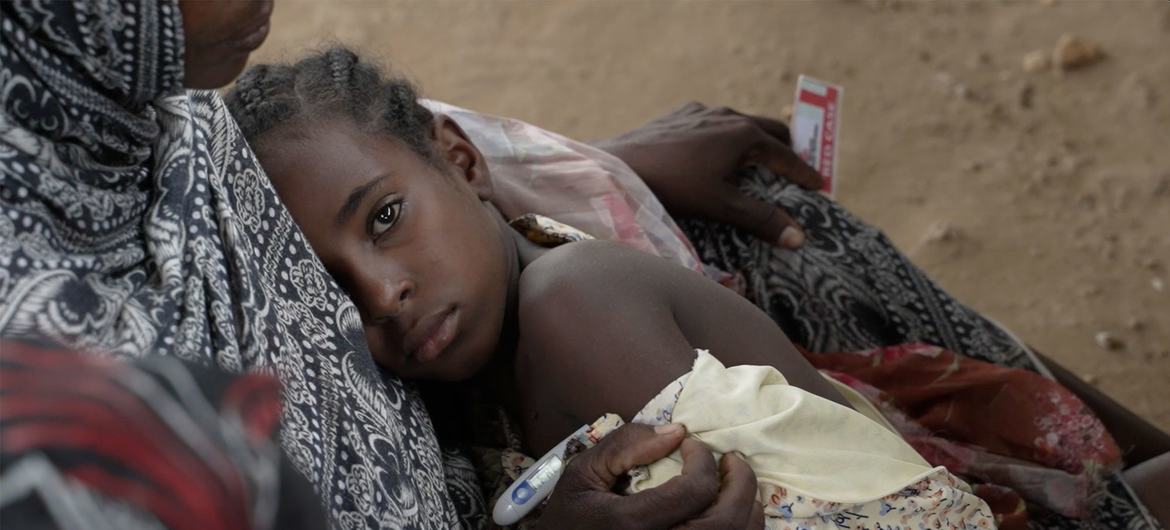
Armed conflict has been one of the most significant obstacles to economic development in South Sudan. The destruction of infrastructure, displacement of populations, and disruption of productive activities have severely constrained economic growth. Research indicates that conflict has destroyed key infrastructure, including roads, bridges, hospitals, and schools, while also disrupting agricultural production and supply chains (Journal of Developing Country Studies, 2024; Acheampong & Enders, 2024). The displacement of more than 3.8 million people has weakened the labor force, reduced productivity across multiple sectors of the economy, and increased dependency on humanitarian assistance (Journal of Developing Country Studies, 2024; UNHCR, 2025).

Photo Credits: UN News

The economic losses associated with conflict are substantial. Multiple studies estimate that armed conflict has resulted in billions of dollars in economic losses due to reduced productivity, destruction of physical assets, and declining investment flows (Zhou & Hsiao, 2025; Akol, 2024). The destruction of economic infrastructure raises the cost of reconstruction and slows the pace of post‑conflict recovery, placing an additional burden on already fragile public finances (Collier et al., 2024).

Furthermore, persistent instability has significantly discouraged both domestic and foreign investment. In the absence of a stable political and security environment, businesses face heightened risks that constrain economic expansion and limit job creation. Post‑conflict countries such as South Sudan, characterized by weak governance structures and fragile economic fundamentals, are particularly vulnerable to external regional and global shocks (IMF, 2024). Disruptions in key sectors—such as energy and trade—have had severe consequences; for instance, interruptions in oil production have resulted in estimated revenue losses of approximately $7 million per day, further straining government finances and fiscal sustainability (World Bank, 2025b).

  1. Fiscal Policy, Taxation, and National Budgets

An examination of South Sudan’s fiscal framework reveals deep structural weaknesses in revenue generation and public financial management. Government revenue remains overwhelmingly dependent on oil, which accounts for around 90% of total government revenue and approximately 95% of exports (African Development Bank, 2023; IMF, 2024). This high dependence exposes the economy to external shocks, particularly fluctuations in global oil prices and regional disruptions affecting production and export routes.

Domestic revenue mobilization remains extremely limited. South Sudan’s tax-to-GDP ratio was estimated at approximately 4.1% in FY2022/23, with projections of about 5.8% in FY2023/24, making it one of the lowest in Sub-Saharan Africa (IMF, 2024). Moreover, non-oil revenues contribute less than 20% of the national budget, reflecting a narrow tax base and weak capacity for tax administration (World Bank, 2023). Key tax instruments such as value-added tax (VAT) contribute minimally, further highlighting structural inefficiencies in revenue collection.

On the expenditure side, fiscal data indicate volatility and weak budget credibility. Total government revenue declined from 34.7% of GDP in 2022/23 to about 26.5% in 2024/25, largely due to falling oil revenues, while expenditures remained relatively high at around 28–36% of GDP over the same period (IMF, 2024). This imbalance has contributed to recurring fiscal deficits and rising public debt, which is projected to reach approximately 48.6% of GDP in 2024/25 (IMF, 2024).

In addition to these structural constraints, persistent delays in the preparation and approval of national budgets have undermined fiscal discipline and effective public expenditure management. Weak transparency and governance challenges have further compounded the problem, with reports highlighting the mismanagement of significant public resources, including oil-backed financing arrangements (World Bank, 2025). These challenges disrupt service delivery, weaken development planning, and limit the government’s capacity to respond effectively to post-conflict reconstruction needs.

  1. Economic Exclusion and Persistent Poverty

Despite its natural resource wealth, South Sudan remains one of the poorest countries in the world. Poverty levels remain extremely high, reflecting deep structural inequalities and limited economic opportunities.

According to the South Sudan Poverty and Equity Assessment, approximately 92% of South Sudanese live below the national poverty line, while extreme poverty affects more than two-thirds of the population (World Bank, 2024). Poverty is particularly severe in rural areas, where most households depend on subsistence agriculture. Limited access to markets, poor infrastructure, climate shocks, and ongoing insecurity severely restrict agricultural productivity and household income (World Bank, 2024; ISS Africa, 2026).

Economic exclusion in South Sudan is also evident in limited access to education, healthcare, financial services, and formal employment opportunities (World Bank, 2025; Journal of Developing Country Studies, 2024). Weak institutions, governance challenges, and mismanagement of public resources have further constrained the equitable distribution of economic opportunities, entrenching inequality (World Bank, 2023; IMF, 2024).

Additionally, inequality in access to economic opportunities fuels social grievances and undermines national cohesion. Large segments of the population remain excluded from economic growth, increasing the risk of conflict and political instability (Radio Tamazuj, 2025; ISS Africa, 2026). External shocks—such as regional instability, disruptions in oil exports due to conflict in Sudan, or global geopolitical tensions affecting energy markets—further exacerbate vulnerability, limiting South Sudan’s capacity to achieve sustainable economic resilience (World Bank, 2025a; African Development Bank, 2023).

Addressing these challenges requires inclusive governance, strengthened institutions, and targeted investments in social services and rural development. Without these interventions, structural poverty, economic exclusion, and inequality are likely to persist, continuing to undermine South Sudan’s long-term development and stability (World Bank, 2024; ISS Africa, 2026).

  1. Public Expectations and Governance Challenges

While economic conditions remain difficult, public expectations for economic improvement continue to grow. Citizens expect the government to provide employment opportunities, infrastructure development, and access to essential services such as healthcare and education.

However, the government faces severe fiscal constraints that limit its ability to meet these expectations. South Sudan’s economy remains heavily dependent on oil revenues, which account for over 90 % of government revenue and the majority of export earnings (World Bank, 2021).

This heavy dependence on a single resource exposes the country to significant economic volatility. When oil production declines or prices fall, government revenues drop sharply, resulting in reduced public spending and delayed salary payments for public servants.

External shocks have also worsened economic conditions. For example, disruptions in oil export infrastructure linked to regional conflicts have led to significant fiscal crises and foreign exchange shortages. These challenges have contributed to inflation, food insecurity, and declining purchasing power among households (IMF, 2024).  The gap between public expectations and government capacity to deliver services, therefore, continues to widen.

Photo Credit: FAO

  1. Structural Economic Vulnerabilities

South Sudan’s economic challenges are deeply rooted in structural vulnerabilities that limit long-term development.

First, the economy remains highly dependent on oil exports. Oil revenues constitute the majority of government income, making the country vulnerable to fluctuations in global commodity markets and geopolitical disruptions.

Second, economic diversification remains limited. Key sectors such as agriculture, manufacturing, and services remain underdeveloped due to insecurity, poor infrastructure, and limited access to capital.

Third, the country faces recurring humanitarian crises driven by climate shocks, flooding, and food insecurity. These crises place additional pressure on government resources and undermine household resilience.

Fourth, institutional weaknesses limit effective economic governance. Weak public financial management systems, corruption, and limited administrative capacity reduce the effectiveness of development policies.

Addressing these structural challenges is essential for building a resilient and inclusive economy.

  1. Conflicts and Regional Integration

South Sudan has gradually increased its economic integration with regional and international partners, thereby expanding trade opportunities but heightening its vulnerability to external shocks. As a member of the East African Community (EAC), South Sudan is economically linked with neighboring countries such as Uganda, Kenya, Ethiopia, and Sudan. While regional integration enhances market access and trade flows, it also exposes the country to the spillover effects of regional instability.

The ongoing conflict in Sudan has had particularly severe consequences for South Sudan’s economy. Since South Sudan relies on pipelines that run through Sudan to export its oil, the conflict has disrupted production and transportation, leading to significant declines in oil export revenues. Given that oil accounts for the bulk of government income, these disruptions have constrained the government’s ability to finance its national budget and deliver essential public services.

Beyond the region, South Sudan has in recent years strengthened its economic and strategic ties with Middle Eastern countries, including the United Arab Emirates, Saudi Arabia, and Qatar, particularly in the energy and investment sectors. While these partnerships provide important sources of capital and market access, they also increase the country’s exposure to global geopolitical dynamics.

In this context, conflicts in the Middle East—especially tensions involving the United States and Iran—could have significant economic implications for South Sudan. Such conflicts may trigger volatility in global oil prices, disrupt energy markets, and affect investment flows. For a fragile, oil-dependent economy like South Sudan, these external shocks could undermine economic resilience, exacerbate fiscal pressures, and negatively influence the country’s economic outlook for 2026.

  1. Policy Pathways for Inclusive Economic Recovery and Outlook

Achieving sustainable economic recovery in South Sudan requires a coordinated approach that integrates peacebuilding, economic reforms, and institutional strengthening. The following policy pathways are critical:

Durable Peace and Political Stability – Ensuring lasting peace and political stability must remain a top priority. Without a secure environment, key economic activities such as trade, agriculture, and investment cannot thrive, and public confidence in the state will remain low. Stability provides the foundation for rebuilding infrastructure, attracting investment, and enabling productive livelihoods.

Economic Diversification – Reducing dependence on oil revenue is essential. Investments in agriculture, infrastructure, and small-scale enterprises can broaden the economic base, enhance resilience, and generate employment. Improving agricultural productivity, in particular, can strengthen food security and provide income opportunities for rural populations, who represent the majority of South Sudanese households.

Transparency and Accountability in Resource Management – Effective and transparent management of natural resources, especially oil revenues, is critical. Prudent resource allocation can finance development programs, expand public services, and reduce opportunities for corruption that undermine public trust and fiscal stability.

Human Capital Development – Investment in education, healthcare, and vocational training is necessary to cultivate a skilled and healthy workforce capable of supporting long-term economic transformation. Strengthening human capital also enhances innovation and productivity across all sectors of the economy.

Institutional and Public Financial Management Strengthening – Strengthening public institutions, including fiscal management systems, enhances government capacity to plan, implement, and monitor policies effectively. Strong institutions are necessary for efficient service delivery, improved budget execution, and the creation of an enabling environment for private sector development.

By pursuing these interconnected policy pathways, South Sudan can foster inclusive economic recovery, build resilience to internal and external shocks, and create conditions for sustainable development and long-term stability.

  1. Conclusion

South Sudan’s economic and governance challenges are deeply intertwined with its history of conflict, institutional fragility, and structural economic dependence on oil. Despite significant natural resource endowments, the country has struggled to translate its wealth into inclusive growth, poverty reduction, and effective public service delivery. Persistent instability, weak fiscal management, and limited domestic revenue mobilization have further constrained the state’s capacity to meet growing public expectations.

This paper has shown that the interplay between conflict, economic exclusion, and governance deficits continues to undermine development efforts. Declining oil revenues, a narrow tax base, and recurrent delays in national budget processes have weakened fiscal stability and disrupted post-conflict reconstruction. At the same time, increasing regional and global economic integration—through membership in the East African Community and expanding ties with countries such as United Arab Emirates and Saudi Arabia—has exposed South Sudan to external shocks, including the spillover effects of conflict in Sudan and geopolitical tensions in the Middle East.

Addressing these challenges requires a comprehensive and sustained reform agenda. Strengthening public institutions, improving transparency and accountability in resource management, and broadening the domestic tax base are critical steps toward enhancing state capacity. Equally important is the need for economic diversification to reduce overreliance on oil and build resilience against external shocks. Moreover, ensuring that scarce public resources are allocated efficiently, transparently, and in a timely manner will be essential for restoring public trust and supporting long-term development.

Ultimately, sustainable peace and economic recovery in South Sudan will depend on the government’s ability to align public expectations with institutional capacity, foster inclusive governance, and create an enabling environment for investment and growth. Without these reforms, the cycle of fragility, economic decline, and unmet expectations is likely to persist, undermining the country’s prospects for stability and prosperity.


  1. References

Acheampong, T., & Enders, W. (2024). Conflict, infrastructure loss, and economic trajectories in fragile states. Journal of Peace Economics and Development.

Akol, L. (2024). Economic cost of conflict in South Sudan: Infrastructure, productivity, and investment. African Journal of Development Studies.

African Development Bank. (2023). South Sudan economic outlook 2023. African Development Bank Group.

Collier, P., Hoeffler, A., & Söderbom, M. (2024). Post conflict reconstruction and the economics of rebuilding. Oxford University Press.

EAC Secretariat. (2025). East African Community budget and fiscal reports 2023–24. EAC Secretariat.

International Monetary Fund (IMF). (2024). South Sudan: Staff-monitored program review and economic outlook. IMF.

Journal of Developing Country Studies. (2024). The impact of armed conflict on economic growth and sustainability in South Sudan.

Radio Tamazuj. (2025). 11 million South Sudanese faced extreme poverty in 2024 – report. Retrieved from https://www.radiotamazuj.org

United Nations High Commissioner for Refugees (UNHCR). (2025). South Sudan displacement report 2025. UNHCR.

World Bank. (2021). South Sudan economic update: Pathways to sustainable food security. World Bank.

World Bank. (2023). South Sudan economic monitor: Enhancing domestic revenue mobilization. World Bank.

World Bank. (2024). South Sudan poverty and equity assessment. World Bank.

World Bank. (2025a). South Sudan economic monitor: A pathway to overcome the crisis. World Bank.

World Bank. (2025b). South Sudan economic update: Urgent reforms for stability and growth. World Bank.

Zhou, X., & Hsiao, C. (2025). Conflict-driven economic losses in fragile economies. Journal of Conflict and Development.

Arita, S., Chakravorty, R., Kim, J., Lwin, W. Y., & Steinbach, S. (2026). Strait of Hormuz Closure and Global Fertilizer Trade Disruptions. NDSU Agricultural Trade Monitor, 2026(3), 1–26.

Reuters. (2026). Egypt’s energy import bill more than doubles as global prices surge. Retrieved March 18, 2026, from https://www.reuters.com/business/energy/egypts-energy-import-bill-more-than-doubles-global-prices-surge-2026-03-18/?utm_source=chatgpt.com

ISS Africa. (2026). South Sudan country profile — Poverty and inequality analysis. Retrieved from https://futures.issafrica.org/geographic/countries/south-sudan/?utm_source=chatgpt.com


Addressing Electoral Democracy and the Challenge of Violence and Impunity in East Africa
Featured photo credit: Daily Monitor, Arrest of Uganda’s Opposition  election protestors 

Authors:  Don Bosco Malish and Moses Kulaba, Governance and Economic Policy Centre

Introduction

East Africa stands at a critical crossroads, where the promise of electoral democracy is being eroded by a surge in violence, shrinking civic space, and the manipulation of political and legal institutions. This policy brief exposes the complex interplay of corruption, commercialization of politics, and state-sponsored repression that has transformed elections from peaceful contests into battlegrounds of fear and exclusion. Through in-depth analysis of Uganda, Tanzania, and Kenya, the article reveals how entrenched power structures, weak institutions, and socioeconomic inequalities fuel cycles of violence and disillusionment, threatening the very foundations of democratic governance. Yet, amid these challenges, new dynamics-such as the activism of digitally connected youth-offer glimmers of hope for democratic renewal. By unpacking the root causes and far-reaching impacts of electoral violence, this brief provides actionable, evidence-based recommendations to restore public trust, strengthen institutions, and foster inclusive, resilient democracies in East Africa. The article delves further to discover not only the urgent risks facing the region’s electoral future, but also the pathways to reclaiming the ballot as a tool for peace, justice, and genuine political transformation.

Electoral Violence in East Africa: Issues and Stakeholder Impact

  1. Overview of electoral violence

East Africa is experiencing a worrying rise in electoral violence, which is undermining democracy and creating fear among citizens. Elections, which should be peaceful opportunities for people to choose their leaders, are increasingly marred by violence, intimidation, and manipulation. Electoral violence in East Africa is not a random or isolated phenomenon; rather, it stems from a complex web of interconnected issues that collectively undermine democratic processes in the region. Understanding these root causes is essential for anyone committed to promoting peaceful, credible, and inclusive elections.

One of the most significant drivers of electoral violence is the widespread corruption and commercialization of politics. Elections have increasingly become contests dominated by financial power rather than the strength of ideas or policy proposals. Candidates often resort to vote-buying and other corrupt practices to secure victory, transforming elections into costly transactions instead of genuine democratic competitions. This commercialization distorts fair competition, discourages honest candidates, and deepens public cynicism. When voters perceive that money, not merit, determines electoral outcomes, their trust in both the electoral process and democracy itself erodes, creating fertile ground for conflict.

Another critical factor is the weaponization of legal and security institutions by ruling elites. Courts, police, and the military are frequently manipulated to suppress opposition voices, intimidate civil society, and curtail media freedom. This deliberate use of state institutions to enforce the interests of those in power shrinks the space for dissent and civic engagement, fostering an atmosphere of fear and instability. Opposition parties, activists, and journalists often become targets, making it dangerous to participate in or report on political processes. Such repression undermines the foundations of democracy and escalates tensions during election periods.

The weakness of key democratic institutions further exacerbates electoral violence. The credibility of elections depends heavily on the independence and strength of electoral management bodies (EMBs) and the judiciary. In many East African countries, these institutions are either fragile or subject to manipulation by those in power. When electoral bodies are perceived as biased, or when courts fail to adjudicate electoral disputes fairly, public confidence in the electoral process collapses. This distrust often leads to violence, as losing parties and their supporters may feel that peaceful legal avenues for redress are unavailable or ineffective.

Systematic marginalization of vulnerable groups also plays a significant role in fueling electoral violence. Women, rural populations, and ethnic minorities are frequently excluded from meaningful political participation and are more vulnerable to violence. Women face entrenched cultural barriers, political intimidation, and exclusion from decision-making spaces despite legal frameworks promoting gender equality. Rural communities often lack access to information and political networks, making them susceptible to manipulation and patronage. Ethnic minorities are disproportionately affected by election-related violence, especially when politicians exploit ethnic divisions to consolidate power. This exclusion not only violates the principle of inclusive democracy but also perpetuates cycles of violence and political instability.

Finally, a pervasive culture of impunity sustains ongoing electoral violence. Perpetrators-including state actors, political party supporters, and security personnel-are rarely held accountable for their actions. This lack of consequences emboldens those who use violence as a political tool, as they face little fear of prosecution or punishment. Over time, violence becomes normalized as an acceptable means of political competition, making it increasingly difficult to break the cycle and restore faith in peaceful democratic processes.

These issues are deeply interconnected and mutually reinforcing. For example, corruption weakens institutions, which in turn facilitates the weaponization of law and security. Marginalization both results from and contributes to weak institutions and impunity. To effectively address electoral violence, it is crucial to understand not only each factor individually but also how they interact to create a challenging environment for democracy in East Africa.

For policymakers, civil society, and international partners, recognizing these root causes is the first step toward designing effective interventions. Supporting institutional reforms, protecting vulnerable groups, promoting transparency, and ensuring accountability for perpetrators are all essential. Only by tackling these underlying problems can East Africa hope to build more peaceful, credible, and resilient electoral systems that truly reflect the will of the people.

II. Trends in Electoral Violence in Select East Africa Countries

Case Study: Uganda

Electoral violence in Uganda is marked by systematic, state-sponsored repression designed to maintain the ruling National Resistance Movement’s (NRM) hold on power. Under President Yoweri Museveni, security forces-including the police, military, and specialized units such as the Joint Anti-Terrorism Taskforce (JATT)-are routinely deployed to intimidate, harass, and violently suppress opposition candidates and their supporters. This repression includes brutal crackdowns on opposition rallies, arbitrary arrests, beatings, and even killings, as witnessed in recent elections and by-elections like Kawempe North, where opposition teams faced targeted disruption and physical assaults.

Civil society organizations (CSOs) in Uganda operate in a highly constrained environment. Human rights defenders and election monitors face harassment, threats, and legal restrictions, especially during electoral periods. The shrinking civic space limits their ability to hold authorities accountable or mobilize citizens for peaceful participation. International and local election observers often encounter restricted access and intimidation, undermining their capacity to provide independent assessments of electoral integrity.

Women, youth, rural populations, and ethnic minorities continue to face exclusion and heightened vulnerability to electoral violence. Women candidates and activists are often targets of gender-based intimidation and violence. Youth, particularly politically active young people, face arrests and harassment, while rural voters are frequently manipulated through patronage or coerced by security forces. Ethnic minorities remain marginalized politically and are sometimes caught in violent clashes fuelled by political rivalries.

Independent media and journalists are aggressively targeted. Reporters covering opposition activities or electoral irregularities face physical attacks, arbitrary arrests, forced deletion of footage documenting state violence, and media shutdowns. This has led to widespread self-censorship, severely undermining press freedom and the public’s right to information. The suppression of media transparency fosters an atmosphere of fear that discourages political participation.

Opposition groups face continuous repression, including arrests of leaders and supporters, disruption of rallies, and legal harassment. The extraordinary rendition and terrorism charges against members of the Forum for Democratic Change (FDC) exemplify the state’s use of security apparatus to criminalize dissent. Opposition candidates face unfair disqualifications and intimidation, limiting genuine political competition.

Electoral institutions in Uganda are often perceived as lacking independence and being influenced by the ruling party. This perception undermines public confidence in the fairness of elections and contributes to disputes that can escalate into violence.

Uganda’s youth, a large and politically aware demographic, face significant challenges including unemployment, repression, and limited political space. Despite this, they remain a critical force for political change, often mobilizing through digital platforms. The general public’s participation is dampened by fear of violence and scepticism about electoral fairness, leading to political alienation.

Case Study: Tanzania

In Tanzania, electoral violence is closely linked to state-sponsored repression and sloganeering that overwhelmingly benefits the ruling Chama Cha Mapinduzi (CCM) party. The government blurs the line between state and party, with regional and local officials-including police-aligned with CCM and actively disrupting opposition activities. Opposition parties and pro-reform civil society groups face bans on rallies, restrictions on political association, and denial of media access, severely limiting their ability to operate.

Pro-reform civil society groups are subjected to harassment and legal restrictions, particularly during election periods. Election observers, both domestic and international, face obstacles including limited access and intimidation, which reduce their effectiveness in promoting electoral transparency. Civic education is closely guarded and restricted to follow predetermined procedures and syllabus approved by the electoral management body.

Women in Tanzania experience barriers and exclusion from political processes and are vulnerable to intimidation, and violence.  Women face economic, social and gender-based hurdles to fully engage in political processes and electoral contest.  Poor rural women are susceptible to voter bribery, by way of T-shirts, kangas and basic household items such as salt, soap and sugar, manipulating their independence to make informed political choices. Illiteracy amongst women compared to men exacerbates this factor yet rural populations often have limited access to unbiased information and are susceptible to manipulation.

Tanzania’s youth face high unemployment, low civic competence and limited political space, which fuels frustration and disengagement. The general public’s political participation is constrained by fear of repression and scepticism about electoral fairness.

In Zanzibar, opposition supporters face frequent crackdowns, exacerbating political tensions in the semi-autonomous region. In 2015 the Chair of the Zanzibar Electoral Commission unilaterally annulled general election results drawing wide spread condemnation from the opposition and international community. Since 2000 Zanzibar has witnessed more than one violent election, whose results were heavily disputed.

Independent vocal civil society and media outlets suffer from state harassment, including suspensions, censorship, and intimidation, especially when reporting critically on CCM or electoral irregularities. This suppression fosters a climate of fear and self-censorship, restricting transparency and public scrutiny.

Opposition parties face systemic obstacles such as disqualification of candidates under dubious pretexts, arrests, and intimidation. Ahead of the 2024 local elections, hundreds of opposition supporters were detained, and opposition candidates were disqualified, resulting in implausibly high victories for CCM. A head of the 2025 general election, the opposition leader, Tundu Lissu was detained and charged with treason. His political party, Chama Cha Demokrasia na Maendeleo (CHADEMA) was banned from engaging in political mobilization, remains operationally tattered and struggling to survive.

The opposition parties too contribute towards a violent election season by militant sloganeering, defying police orders for peaceful assembly and engaging in sensationalism.

Electoral commissions are widely perceived as biased in favour of CCM, undermining trust in electoral outcomes and fueling tensions. Calls to reform the electoral management body, including legal challenges in Tanzania’s court systems, against its operational structure and the use of presidential appointees as returning officers were unsuccessful.

According to Tanzania’s electoral experts such as Dr Deus Kibamba of Jukwa la Katiba, an independent network of CSOs engaged in electoral process, Tanzania’s constitutional dispensation on election is weak, and suffers from a catastrophic capture from a strong state and political elites. For elections to be sound and credible the constitutional reforms are required.

Case Study: Kenya

Kenya’s electoral violence has historically been shaped by a combination of state-sponsored repression, ethnic tensions, and suppression of opposition and media. The 2007-2008 post-election violence remains a stark reminder of the devastating consequences of disputed elections, where state security forces and pro-government militias targeted opposition supporters along ethnic lines. Militarized police tactics to intimidate protesters and opposition figures persist, contributing to a climate of fear and mistrust.

Civil society organizations and election observers play a vital role in monitoring elections and promoting transparency. However, they often face harassment and threats, particularly when exposing irregularities or human rights abuses. Despite these challenges, their work has contributed to gradual institutional improvements.

Women, youth, ethnic minorities, and rural populations face varying degrees of exclusion and vulnerability. Gender-based violence and discrimination limit women’s political participation. Ethnic mobilization remains a significant factor in electoral violence, with marginalized communities often caught in inter-ethnic conflicts. Rural voters sometimes face manipulation and intimidation.

Journalists covering elections and political dissent frequently encounter harassment, censorship, and violence, undermining media freedom and restricting transparent reporting. Despite these risks, the media remains a critical actor in informing the public and exposing abuses.

Opposition leaders and activists face arbitrary arrests, intimidation, and legal challenges. The judiciary, while making strides toward independence, still faces pressure and intimidation aimed at deterring constitutional challenges to election results.

Kenya’s electoral institutions have shown signs of maturation, with efforts to improve transparency and credibility. However, the winner-takes-all electoral system and ethnic-based political mobilization continue to fuel tensions and risks of violence. The general public remains divided, with some hopeful about reforms and others wary due to past violence.

The emergence of Generation Z (roughly ages 18 to 28) and their agitation for reforms in governance and respect to youth’s concerns has introduced new dynamics. Digitally connected and politically aware, this youth cohort actively organizes protests and demands accountability through social media. Their activism challenges traditional patronage networks but has also provoked harsher state responses. Protesting youth were violently dispersed by the police, some were killed, kidnapped and other have disappeared to date without trace. A significant percentage of youth remain unemployed, poor and vulnerable to manipulation by the political elites into perpetrating violence against opponents.

In summary, across Uganda, Tanzania, and Kenya, electoral violence is driven by state repression, weak institutions, and exclusion of marginalized groups. Civil society and election observers face shrinking space and intimidation, while media and opposition parties are targeted to stifle dissent. Youth activism offers potential for democratic renewal but also faces risks. The general public’s political participation is often constrained by fear and distrust, underscoring the urgent need for reforms that promote inclusion, transparency, and accountability.

Comparative Analysis of Electoral Violence in Uganda, Tanzania, and Kenya

Similarities

Differences

Crosscutting Issues

– State-sponsored repression: Security forces intimidate opposition, disrupt rallies, and suppress dissent.

Uganda: Heavy militarization of elections; opposition leaders face terrorism charges and rendition.

Institutional Weakness: Electoral bodies perceived as biased; judiciary often co-opted or intimidated.

– Media suppression: Independent journalists face harassment, censorship, and violence.

Tanzania: Blurring of party (CCM) and state institutions; severe restrictions in Zanzibar.

Marginalized Groups: Women, youth, ethnic minorities, and rural populations face systemic exclusion and violence.

– Media suppression: Independent journalists face harassment, censorship, and violence.

Tanzania: Blurring of party (CCM) and state institutions; severe restrictions in Zanzibar.

Marginalized Groups: Women, youth, ethnic minorities, and rural populations face systemic exclusion and violence.

– Civil society under siege: Election observers and CSOs encounter legal restrictions, threats, and limited access.

Kenya: Emerging judicial independence; Gen Z digital activism challenges patronage systems.

Media Freedom: Widespread self-censorship due to state intimidation.

– Ethnic and socioeconomic divisions: Politicized ethnicity and economic inequality fuel violence.

Tanzania/Kenya: Rural voters manipulated via patronage; Uganda relies more on overt militarized coercion.

Regional Dynamics: AU/EAC’s limited capacity to enforce electoral standards.

– Youth disenfranchisement: High unemployment and repression limit political participation.

Kenya: History of ethnic-based electoral violence (e.g., 2007–08); Uganda/Tanzania focus on state-led repression.

Emerging Opportunities: Youth digital mobilization (Kenya) offers pathways for accountability.


  1. Summary Table: Stakeholder Impacts

Stakeholder

Role

How They Are Affected by Electoral Violence

Civil Society

Watchdog, advocate, educator

Harassed, restricted, silenced, limited impact

Election Observers

Transparency, reporting

Restricted access, hostility, limited enforcement power

Marginalized Groups

Voters, candidates

Targeted, excluded, manipulated, vulnerable to violence

Media/Journalists

Information, transparency

Harassed, censored, attacked, self-censorship

Opposition Parties

Alternative leadership

Intimidated, attacked, unfair competition

EMBs

Election management

Manipulated, distrusted, weak oversight

General Public

Voters

Fear, low turnout, disillusionment

Youth

Activists, mobilizers

Targeted for activism, hope for change, risk of repression

Policy Recommendations: Pathways to Peaceful and Inclusive Elections in East Africa

Electoral violence remains a major obstacle to democratic governance and political stability across East Africa. To overcome this challenge, we need a thoughtful, multi-layered approach that addresses both the deep-rooted causes and the immediate sparks of violence. The following recommendations invite all stakeholders to explore practical, innovative strategies that can transform elections into truly peaceful, credible, and inclusive processes.

  1. Governments and State Actors: Building Trust and Accountability

Governments hold a unique responsibility to create an environment where elections are safe and fair. Imagine a system where justice is swift and impartial-where those who use violence to win lose their power instead. To move toward this vision:

  • Enforce accountability without delay. Independent courts should be empowered to investigate and prosecute anyone involved in electoral violence, from political figures to security personnel and financiers. Transparent trials can break the cycle of impunity and send a clear message that violence will not be tolerated.
  • Clarify and humanize security roles during elections. Police and military forces need clear guidelines emphasizing respect for human rights and crowd management. Training security personnel to act professionally and peacefully can reduce tensions and build public confidence.
  • Invest in election management bodies (EMBs). Governments should prioritize funding EMBs so they can organize elections efficiently, transparently, and on time. Strong EMBs are the backbone of credible elections.

Looking ahead, governments can embrace technology to enhance electoral integrity. Biometric voter registration and electronic transmission of results, paired with independent audits, can reduce fraud and increase transparency. However, these technologies should be introduced thoughtfully, considering local capacities and resources.

Legal reforms are also essential. Laws must protect freedom of expression, assembly, and media independence. Harmonizing electoral laws with constitutional guarantees will ensure elections are inclusive and disputes are resolved fairly.

Finally, governments should actively promote inclusive governance by adopting gender quotas and affirmative action to empower women, rural communities, and ethnic minorities. Digital government services, equipped with strong privacy protections, can further enhance participation while bridging digital divides.

  1. Civil Society Organizations (CSOs): Catalysts for Dialogue and Inclusion

CSOs play a vital role in nurturing democracy from the grassroots up. Their work sparks curiosity and empowers citizens to claim their rights peacefully.

  • Facilitate inclusive dialogue. By regularly bringing together election officials, political parties, security agencies, community leaders, and marginalized groups, CSOs can help resolve conflicts before they escalate and build trust among stakeholders.
  • Expand civic education. Targeted campaigns, especially in rural and marginalized communities, can raise awareness about voting rights and the importance of peaceful participation, reducing vulnerability to manipulation.
  • Protect civic space. Collaborating regionally and internationally, CSOs can advocate for the repeal of restrictive laws and defend activists from harassment.

Over time, CSOs can strengthen their capacity for election monitoring and advocacy by partnering with international bodies and adopting new technologies. Programs that empower women, youth, ethnic minorities, and rural populations in governance and peacebuilding will foster more inclusive democracies.

Community-based peacebuilding initiatives, including rapid response teams, can intervene early in electoral conflicts, engaging diverse actors to prevent violence. Publicly naming those responsible for electoral violence, in partnership with media outlets, can increase accountability and deter future offenses.

  1. Election Observers: Guardians of Transparency and Reform

Election observers-both local and international-serve as impartial witnesses whose presence can deter malpractice and violence.

  • Secure full access and maintain impartiality. Observers should be granted unhindered entry to all stages of the electoral process, ensuring their reports are unbiased and credible.
  • Harness technology for real-time monitoring. Digital tools like mobile apps and biometric verification can help detect irregularities quickly, allowing timely interventions.

Beyond election day, observers can facilitate post-election dialogues to address grievances and advocate for reforms that strengthen future electoral integrity. Close collaboration with civil society and independent media can amplify findings and support civic education, nurturing democratic resilience.

  1. Regional Bodies: Architects of Peace and Standards

Regional organizations such as the African Union (AU) , East African Community (EAC) and International Conference on the Great Lakes Region (ICGLR) have a pivotal role in preventing electoral violence and promoting democracy.

  • Enhance early warning and monitoring systems. Joint observer missions and early warning mechanisms can identify emerging threats, enabling rapid, coordinated responses.
  • Support national institutions. Providing technical assistance and training to EMBs, judiciaries, and security forces builds local capacity to manage elections peacefully.

Long-term, regional bodies can establish binding electoral standards and enforce protocols for free, fair, and transparent elections, including sanctions for violations. By creating inclusive platforms for dialogue among governments, opposition, civil society, and marginalized groups, they can foster consensus and prevent conflicts.

Championing digital governance innovations with strong human rights safeguards will help member states modernize election processes while protecting citizens’ privacy and inclusion.

  1. Donors and International Partners: Enablers of Democratic Resilience

International support can empower local actors and strengthen democratic institutions.

  • Prioritize funding for civic space and inclusion. Donors should invest in CSOs working on election monitoring, civic education, and empowerment of marginalized groups, ensuring resources reach those fostering peaceful participation.
  • Support responsible technology deployment. Funding electoral technologies and capacity-building initiatives, with safeguards against misuse or exclusion, can enhance transparency and trust.

Looking ahead, donors can facilitate cross-sector collaborations that unite governments, civil society, youth, and other stakeholders to address democracy and development holistically. Using diplomatic channels and aid conditionality, they can encourage respect for democratic principles and push for meaningful electoral reforms.

Invitation to Action and Learning

These recommendations are more than policies-they are invitations to explore, innovate, and collaborate. Each stakeholder has a role in shaping elections that reflect the true will of the people, free from fear and violence. By embracing transparency, inclusion, and accountability, East Africa can transform electoral contests into celebrations of democracy.

The journey is challenging but full of promise. What new ideas can you bring to strengthen peace during elections? How can your community or organization contribute to building trust and preventing violence? Together, by learning from experience and acting decisively, we can reclaim the ballot box as a powerful tool for justice, peace, and genuine political transformation.

This approach encourages stakeholders to reflect on their roles, inspires curiosity about innovative solutions, and motivates collective action toward democratic renewal.


INVITATION TO A WEBINAR ON ELECTORAL DEMOCRACY-ADDRESSING MONEYOCRACY VIOLENCE AND IMPUNITY IN EAST AND AFRICA GREAT LAKES REGION

You are invited to our next webinar on Elections and Democracy: Addressing the challenge of Moneyocracy, Violence and Impunity in East and Africa Great Lakes Region

As you may be aware the East and Africa Great Lakes region is going through another electoral cycle yet the region stands at a critical crossroads, where the promise of electoral democracy is being challenged and potentially eroded by a surge in moneyocracy, violence, shrinking civic space, and the manipulation of political and legal institutions. This webinar will expose the complex interplay of corruption, commercialization of politics, and state-sponsored repression that has transformed elections from peaceful contests into battlegrounds of titanic fear and exclusion.

Our distinguished Speakers will be:

  1. Mr Don Malish, Researcher, Human Rights Expert and Colosseum Member, Governance and Economic Policy Center

Mr Don Bosco Malish is a seasoned professional with over 20 years of experience in human rights, democracy promotion, and social justice. Before venturing into private practice, Don worked as a Senior Executive for the Open Society Foundations, where he  managed a substantial grant portfolio and supported initiatives focusing on governance, rule of law, and human rights across Eastern Africa, with a significant focus on South Sudan. He has a deep understanding of the local human rights, governance and elections contextual  challenges facing East Africa. Don is currently a distinguished independent researcher, consultant and Colosseum (Advisory Council) member of the Governance and Economic Policy Centre

  1. Mr Mulle Musau, Regional Coordinator Elections Observer Group (ELOG), Kenya

Mr Musau is an elections expert with over 20 years experience in electoral democracy, with special interest in Elections and Ethics in governance. He has been involved in Elections observation both domestic and international from 2007. Currently the national coordinator for the Elections Observation Group (ELOG) in Kenya and the regional coordinator for the East and Horn of Africa Election Observers Network (E-HORN).

  1. Deus Kibamba, Executive Director Tanzania Information Bureau & Jukwa la Katiba, Elections Expert, and Lecture in International Relations

Mr Kibamba is an experienced political and governance expert, researcher and analyst with over 20 years’ experience in international development. He trained in Political Science and Public Administration, with an international relations major. He has been actively involved in electoral processes in Tanzania and served as an international observer in a number of missions across Africa. His research interests have focused on the Constitutional aspects of the electoral democracy. He is the founding Director of Tanzania Information Bureau (TIB) and a Board member of Jukwaa la Katiba Tanzania, an independent organisation focusing on promoting constitutionalism and elections in Tanzania. Deus is currently a distinguished  lecturer in International Relations and Diplomacy at the Tanzania – Dr Salim Ahmed Salim Centre for Foreign Relations, Kurasini, Dar es Salaam. 

  1. Moses Kulaba, Executive Director Governance and Economic Policy Center, Moderator

Moses Kulaba is a political economist, Governance, policy and tax law expert, and trained as an economic diplomat with over 20 years of experience in the public and civil society sector.  Has researched and written on the subjects of  elections and governance, including the Ten Principles for free and fair elections in Tanzania. He is currently the Executive Director of Governance and Economic Policy Centre

Date: Friday, 29th August, 2025

Time:  15:00 (3PM) Nairobi Time, 14hrs (CAT), 12pm Lagos

Register in advance for this webinar via: https://us06web.zoom.us/meeting/register/A-yOjAcRStCEn2Y3U3B97Q


After registering, you will receive a confirmation email containing information about joining the meeting.


Webinar Series: Assessing Implications of Trumps Tariffs on Intra East Africa’s Regional and International Trade

The rules of world trade are being redefined. We are delighted to invite you to plug and join in as we explore and discuss this interesting topic on regional economic cooperation, trade and investment. 

The East African Community (EAC) and Sub-Saharan Africa generally have been major trading partners with the United States for decades and so far, the fastest growing markets in the world according to the International Monetary Fund.   Since 2001, the US has signed multiple trade agreements (including AGOA in 2001 and TIFA in 2008) allowing smooth trade flows across the two regions, with the US enjoying an overwhelming trade surplus for decades. Under AGOA EAC selected products had duty free access to US markets. US trade relations with EAC member states were booming.  For instance, in 2024 the US trade surplus with Rwanda increased more than 4000% compared to 2023.

Effective 5th April 2025 the US President Donald Trump slapped a global baseline tariff of 10% on all exports to the US. The US tariffs have caused a lot of turbulence and uncertainty about the future of the WTO rules based global trade as we know it. The future of EAC -US trade is unknown and during this period loses will be counted particularly in the agriculture, textiles, apparel and artifacts sector. However, in the midst of this turbulence, the EAC may have an opportunity of re-inventing its intra-regional and international trade, and perhaps emerging stronger by looking elsewhere. 

This webinar will enable stakeholders and the public understand the issues at play and the potentially new World Trade Order that we could moving towards. Expert speakers at this webinar will analyze the implications of the US tariffs on EAC intra-regional and international trade and what options the EAC block and member states can take.

The Governance and Economic Policy Centre (GEPC) is a regional governance and development policy organization, based in Tanzania, interested among others in promoting economic and fiscal governance, with a national and regional focus on East and Africa Great Lakes Region.

The webinar is organized as part of GEPC’s project on promoting regional economic cooperation, trade and investment implemented in collaboration with the Africa Economic Diplomatic Study Circle (AEDSC), a loose network of practicing professionals, students of economic diplomacy, international relations and development based on the African continent, working to promote Africa’s position in the global space.

Our distinguished speakers will be;

Ms McDowell Juko, Chairperson East Africa Business Network (EABN): Elsa Juko-McDowell, a native of Uganda, is a remarkable individual with a deep passion for people and business. Her journey began in 2015 when she joined the East Africa Chamber of Commerce (EACC), an 18-year organization devoted to fostering trade and investments between the United States and East Africa, currently known as the East Africa Business Network. owns multiple businesses, including real estate development, investments, and consulting ventures. Additionally, Elsa serves as a North Texas District Export Council member.  Can be reached via: info@eabn.co or chairman@eabn.co

Mr. Adrian Njau, Ag. Executive Director, East African Business Council: Adrian Njau is the Executive Director of the East African Business  Council (EABN), the apex advocacy body of private sector associations and corporates from the 7 East African Community (EAC) Partner States (Kenya, Democratic Republic of the Congo, Tanzania, Rwanda, Burundi, Uganda and South Sudan). Adrian holds a Master’s Degree in International Trade and a Bachelor’s Degree in Economics, both obtained from the University of Dar es Salaam. His academic background is complemented by professional certifications and specialized training in trade, investment, policy and regional integration from Switzerland, Singapore, and Sweden, among others. With over two decades of experience, Adrian has been instrumental in research and policy at the Chamber. Can be reached via: Email: info@eabc-online.com

Mr Robert Ssuna, International Trade and Tax Expert, Researcher and Consultant, Governance and Economic Policy Centre:  Robert is an Independent Consultant on Tax Trade and Investment. He is Chartered Economic Policy Analyst (CEPA), a Fellow of the Global Academy of Finance and Management with over 15 years of experience in economic policy analysis focusing on tax, trade, and investment at national, regional, and global levels. He is also a member of the Base Erosion Profit Shifting (BEPS) Monitoring Group. Prior to this, he served as a Supervisor Research Statistics and Policy Analysis in the Research and Planning Division of the Uganda Revenue Authority. Can be reached via: ssuunaster@gmail.com

Hon: Dr Abullah H Makame, Member of East Africa Legislative Assembly (EALA):  Dr Makame, is a distinguished member of the East African Legislative Assembly (EALA) based in Arusha, Tanzania, where he is a commissioner and a former Chairperson of the Standing Committee in Agriculture, Environment, Tourism and Natural Resources. Dr Makame has served in various senior capacities in both the Government of United Republic of Tanzania and Zanzibar; academically, his docorate is from Birmingham UK and MSc from Strathclyde – Scotland, he holds a Professional Certificate in International Trade from Adelaide and has published both locally and internationally. Dr Makame serves in various boards across the EAC region. Can be reached via email: abdullah.makame@gmail.com

Mr Moses Kulaba, Executive Director & Convenor, Governance and Economic Policy Centre: Mr Moses is a political economist, tax and economic diplomat with more than 20 years of active service in international public, private and civil society sector.  Prior to joining GEPC he served as the East Africa Regional Manager for the Natural Resources Governance Institute, where he worked with various stakeholders including governments to advance fiscal policies and governance of the extractive sector. Has served on the international board of the EITI and in consultancy roles for UN, DFID and the EU. Can be reached via : moses@gepc.or.tz or mkulaba2000@gmail.com

Webinar Date: Tuesday, 6th May, 2025

Time: 10:30AM-12:30 PM (Nairobi Time)/ 9:30AM (CAT)/ 7:30AM (GMT)

Online Participation via Google meet video link: https://meet.google.com/odd-ysgh-dtf

The Petals of Blood: Dissecting the contagion effect of Sudan war on South Sudan and EAC with lessons on governance and state failure

The Sudan war has been raging for almost a year, with catastrophic effects now spreading beyond Sudan’s borders, affecting its neighboring South Sudan and the East Africa Community (EAC) in many ways.

By Moses Kulaba, Governance and Economic Policy Centre & James Boboya, Institute of Social Policy and Research (ISCPR), South Sudan

According to the United Nations, since it started, the war has now destabilized the entire region, leading to the deaths of more than 5,000 Sudanese and displacing millions both within the African nation and across seven national borders.[1]  Sudan is now home to the highest number of internally displaced anywhere in the world, with at least 7.1 million uprooted.[2] More than 6 million Sudanese are suffering from famine, and these numbers are growing every day.  The health system has broken down, and more than 1,200 children have died from malnutrition and lack of essential care. [3]The UN now describes the Sudan conflict as a forgotten humanitarian disaster, while the International Crisis Group has warned that Sudan’s future, and much else, is at stake.

Lest we forget, within a short period, the third largest nation in Africa, with a size of more than 1.8886 million square kilometers and at least 46 million people, has no properly functioning government, and all state institutions have collapsed with the effects of its meltdown spilling over to its neighbors, particularly South Sudan.

South Sudan is host to thousands of Sudanese refugees forced across the border into South Sudan, exerting social and economic pressure on an already fragile state that was already sinking under the burden of its own civil war and internal conflicts.

The Norwegian Refugee Council (NRC) reports that more than 500,000 people have now fled from the war in Sudan to South Sudan. [1]This means that over 30 percent of all the refugees, asylum seekers, and ethnic South Sudanese were forced to flee Sudan since the war exploded in April 2023 for protection in one of the poorest places on earth. “South Sudan, that has itself recently come out of decades of war, was facing a dire humanitarian situation before the war in Sudan erupted. It already had nine million people in need of humanitarian aid, and almost 60 per cent of the population facing high levels of food insecurity.

As of 28 January 2024, more than 528,000 ethnic South Sudanese, Sudanese refugees, and other third-country nationals had crossed at entry points along the South Sudan border into Abyei Administrative Area, Upper Nile, Unity, Northern, and Western Bahr El Ghazal. The majority, 81 percent, entered at Jodrah before making their way to the transit center in Renk. Ethnic South Sudanese who have crossed the border from Sudan are commonly referred to as “returnees.” Still, in reality, many of them were born in Sudan and have never been in South Sudan, and therefore have no kinship connection in host communities.

The conflict has spilled deeper into other East African countries, with thousands seeking refuge and safety from it. The education system collapsed, sending thousands of learners back home and hundreds who could afford to flee exile to continue their studies. Some of these were admitted to Rwandan and Tanzanian Universities.

The Sudan and South Sudan experiment was a governance disaster in the waiting and perhaps serves as a lesson of how a firm grip on power, corruption, and misgovernance can ultimately lead to catastrophic state failure and collapse.

Donald Kasongi, Executive Director of Governance Links and a former senior officer with the Accord, a regional conflict organization, describes the post-Garang South Sudan and post-Bashir Sudan as a protracted governance failure. The diverse strategic roles of Khartoum, Beijing, and Washington in the Sweet South Sudanese oil are now evident.  So far, none is a victor.

The role of external interests in shaping national discourse has been at play. Sudan is caught between the interests of the West and the Middle East and China, with both interested in controlling access to Sudan’s resources, cultural wealth, and strategic positioning as a buffer between the North and South. Before the war, Sudan identified itself with the Islamic world and pronounced itself as an Islamic state. Despite this alignment, the OIC and the larger Islamic world has not come to its help. Sudan remains an isolated state left to collapse at its fate.

In South Sudan, the Garang vision of a strong independent nation was lost. After his demise most of the post Garang political elites or military war generals became pre-occupied on restoring the lost years at war by amassing wealth through corruption and sharing out of the limited resources from the oil resources. As a consequence, a strong nation is yet to be built. They had won the war but lost their country. The same mistake plays out in Sudan. Perhaps the conflict is a lesson on what it means to lose what is so dear to one- A country.

In short, the transition in both countries (Sudan and South Sudan) were not well managed and what we see are petals of blood from toxic flowers of bad governance which have flourished like a forest planted along the banks of the river Nile.

According to James Boboya, the Executive Director of the South worrisome. The raging war has made South Sudan’s oil exports via Port Sudan difficult. Oil exports have collapsed by more than half from 160,000 barrels per day in 2022 to 140,000 barrels per day in 2023. This was more than half of the previous peak of 350,000 barrels per day before civil war broke out in 2013.[2] The South Sudanese dollar collapsed in value. There is a financial crunch and the South Sudanese government has not paid its public and civil servants for months. There is a risk of insurrection and demonstrations by public servants that will be likely joined by the military. This would plunge South Sudan into chaos and total collapse just like its Northern neighbor.

Moreover, this conflict and its associated effects comes in an election year for South Sudan.  The general elections are viewed as a watershed moment which may see a transition from President Salva Keir to a new cadre of leadership. With the economic crunch, South Sudan may not be able to organize and fund a credible general election. This will be not good for South Sudan’s democracy and desired future.

With the world’s media focused on the Russia-Ukraine war and the Israel-Gaza wars, little is covered about the Sudan conflicts nor the total economic catastrophe that South Sudan faces.

If not addressed, the Sudan war will be soon inside the borders of the EAC. Can the EAC afford to stand by and watch longer as its member state, collapses.  Mediation efforts led by Kenya and Djbouti were postponed last year. Direct talks between Abdel Fattah al-Burhan, Sudan’s army chief and de facto head of state, and General Mohamed Hamdan Dagalo, known as Hemedti, head of the RSF paramilitaries remain futile.  What can South Sudan and the EAC do now to avert further catastrophe?

During a joint webinar organized by the Governance and Economic Policy Center (GEPC) and the Institute of Social Policy and Research (ISCR) in South Sudan in April, a distinguished panel of experts discussed and enabled us to understand the contradictions and magnitude of this war with implications and lessons on extractive governance, and state collapse drawn for East Africa and Africa generally, can be taken to avert the situation and its contagion effect on the EAC and Africa generally. The panelists and participants highlighted some key lessons and takeaways that can be drawn from the conflict.

Key lessons and takeaways

Ethnicization of politics and governance can lead to a spiral of violence and catastrophic state collapse, especially when the strong ruling elite and regime finally lose control of power.

A previously united Sudan started getting balkanized when the ruling elites started practicing the politics of ethnicity and religion pitting the largely Muslims in the northern and western parts of the country against their Christian southerners.  The Christians were portrayed as slightly inferior, denied political and economic opportunity, and subjected to forced Islamisation, and inhumane conditions such as slavery. Faced with what was considered unbecoming conditions the Southerners opted for a rebellion and demand for independence. The first and second Sudanese civil war (including the Sudanese Peoples Liberation Movement (SPLM/A) were born and the political dynamics in Sudan changed for decades after. New factions such as the Sudanese Liberation Army (SLA) and the Justice Equality Movement (JEM) emerged and Sudan never remained the same.  Sentiments for cessation and independence in Darfur flared and faced with an insurgency, President Omar enlisted militias including the Janjaweed to quell the rebellions. Around 10,000 were killed and over 2.5 million displaced. The balkanisation of Sudan was continuing to play out.

Militarisation of politics erodes democratic values and principles which can take decades to rebuild.

Omar Bashir came to power in 1989 when, as a brigadier general in the Sudanese Army, he led a group of officers in a military coup that ousted the democratically elected government of Prime Minister Sadiq al-Mahdi after it began negotiations with rebels in the south. Omar Bashir subsequently replaced President Ahmed al-Mirghani as head of state and ruled with the military closely fused into the politics and governance of Sudan.

The military elites elevated to power during President Omar Bashir’s government enjoyed privileged positions.  Even with his overthrow in 2019, these generals maintained a firm grip on the Transition Military Council and the Civil-Military Sovereignty Council.  These are less likely to accept any position below total control of the central authority. The net effect is that the return to full civilian and democratic rule of state governance in an entrenched militarized political environment such as Sudan can or may take decades to be rebuilt.

Vulnerability to geopolitical manipulation and fiddle diddle can be a driver to political instability and eventual weak governance

Both Sudan and South Sudan have been victims of well-orchestrated geopolitical game plans from external powers interested in taking control of the rich natural resources wealth that these countries possess. Sudan and South Sudan have vast oil deposits and forestry products.  With eyes focused on these resources external powers succeeded in playing one community against another and one country against the other and successfully throwing the region into an abyss of endless crisis. Religion was used as a tool to play the North against the South and continues to be used in some segments of the Sudanese and South Sudanese communities.

Key Takeaways

  1. The East African Community (EAC) governments cannot afford to take a wait-and-see attitude. The problems facing Sudan and South Sudan are latently present in several other EAC countries. For this reason, therefore without taking lessons from Sudan and South Sudan other countries can also easily erupt in the future, bringing down the entire EAC. The EAC has therefore an obligation to ramp up support for the resumption of the peace process and finding lasting solutions for peace and tranquility in the two countries. For this to happen there has to be trust and objectivity of the actors to the crisis and the EAC mediators. 
  1. Stop ethnicization and militarization of politics and state governance: The Sudan experience demonstrates this, whereby the collapse of President Omar Bashir’s strong grip on power let loose the lid off a can of worms that had eaten the state to its collapse. Similar conditions of ethnic rivalry in state governance have created uncertainty about guaranteed stability in South Sudan. In some other EAC member states there have been attempts to elevate dominant ethnic groups to power and military influence in state politics built around one strong leader. The Sudan experience demonstrates that the absence of such a strong leader holding the center together can lead to a lacuna, leading to a trail of conflict and instability leading governance to fall apart and eventual state collapse.
  1. The EAC countries must stop viewing at South Sudan as merely a market but as an independent viable state whose stability is good for the entire region. According to the EAC trade statistics, South Sudan was the leading market for goods from Uganda and Kenya. With a total population of 11 million and a collapsed agricultural and industrial base, South Sudan has provided a ready market for agricultural goods and manufactured goods from Uganda and Kenya. According to UN Comtrade Data Uganda exported goods worth USD483.9Mln and Kenya’s exports to South Sudan were worth USD170Mln. Uganda’s exports to Sudan also increased by 154% from around USD48Mln in 2016 to USD123Mln in 2022.  With the eyes largely focused on trade opportunities, there can be a tendency to lose track of the human suffering that the people in these countries face. Also, the jostle for geopolitical control over trade deals can overwhelm the genuine solidarity intentions of good neighbors. The EAC members should focus on the stability of these countries. 
  1. The International Community Must not give up on Sudan and South Sudan. Despite the donor fatigue and reports of corruption, the international community has a moral obligation to continue engaging with the protagonists in the war, facilitating the avenues for a peaceful resolution of the conflict and providing humanitarian aid to the suffering people. The Sudan and South Sudan conflict must be treated with equal measure with the Ukraine-Russia, Israel, and Gaza conflicts. The EAC must scale up diplomatic efforts and be an Anchor in Chief in this process, coordinating and connecting Sudan, South Sudan to the world. 
  1. The EAC media and Civil society must continue highlighting the suffering in Sudan and South Sudan. With the Israel and Gaza war ongoing, the Sudan and South Sudan stories that were largely covered by the Western media have since died out.  There has been little coverage given within the EAC of the recent developments in this war and how it is affecting its neighbors. Moreover, with limited internet connectivity and restrictive conditions, communication advocacy from inside Sudan and South Sudan is quite difficult.  The media and civil society in the EAC therefore must speak loud on behalf of their Sudanese counterparts


[1] War in Sudan displaces over 500,000 to South Sudanhttps://www.nrc.no/news/2024/january/sudan-refugees-to-south-sudan/#:~:text=%E2%80%9CMore%20than%20500%2C000%20people%20have,the%20poorest%20places%20on%20earth.

[2] The East African Business Khartoum unable to ensure smooth export of South Sudan oil https://www.theeastafrican.co.ke/tea/business/khartoum-unable-to-ensure-smooth-export-of-south-sudanese-oil-4564064

[1] Sudan conflict: ‘Our lives have become a piece of hell’ https://www.bbc.com/news/world-africa-67438018

[2] War in Sudan: more than 7 million displaced – UNhttps://www.africanews.com/2023/12/22/war-in-sudan-more-than-7-million-displaced-un//

[3] More than 1,200 children have died in the past 5 months in conflict-wrecked Sudan, the UN sayshttps://apnews.com/article/sudan-conflict-military-rsf-children-measles-malnutrition-ec7bb2a1f49d74e7b5f01afa12f16d99