How investment treaties impact Tanzania’s mining regulatory policy

Author: Joshua Woodend, Associate Researcher and Analyst, Governance and Economic Policy Centre

Introduction

Tanzania’s mining sector is a major contributor to the nation’s economic development. Over the past decade, the industry has experienced steady growth, with mining projected to contribute 10% of GDP in 2025 (Ministry of Minerals, 2024). This significance is equally reflected in employment trends. A 2018 UNEP study estimated that the artisanal small-scale mining sector employed over a million Tanzanians, and in 2021, large scale mines were recorded to employ 14,742 people, significant figures for a nation of 60 million (Mutagwaba et al, 2018; Ministry of Minerals, 2024).

Tanzania’s mineral wealth has drawn substantial international investment, a trend actively encouraged by the government given the country’s limited capacity to exploit these resources without external capital. Consequently, as with many African nations, the mining industry is inexorably tied to foreign investment and ownership. The nation’s 2023 investment report on foreign private investments demonstrates this as mining and quarrying dominates FDI, being over 3 times larger than the second highest ranking sector, manufacturing (Bank of Tanzania, 2023).

For Tanzania, attracting international investment in the mining sector is a complex balancing act. On the one hand, the government must provide conditions favourable enough to persuade international mining companies to supply the capital needed to stimulate national growth and drive economic development. On the other hand, it is necessary to ensure these terms are not so generous that they undermine the government’s ability to control the mining sector, or that they provide conditions so favourable for foreign mining firms that there is no incentive to protect local people and retain some profits locally. This challenge is clearly reflected in Tanzania’s investment treaty regime.

Tanzania’s mining sector is central to national economic growth, contributing significantly to GDP and employment. However, the country’s reliance on foreign investment has bound its regulatory space to the constraints of international investment treaties. Bilateral investment treaties (BITs), in particular, grant expansive investor protections such as the ‘fair and equitable treatment’ standard, which often allow companies to challenge legislative reforms through costly arbitration. These mechanisms restrict Tanzania’s ability to implement necessary policies, including reforms aimed at increasing tax revenues, enhancing local employment, and addressing social and environmental concerns. While reforms since 2010 have boosted government revenues and domestic benefits, they have also triggered arbitration claims, with Tanzania already paying over $100 million in related costs. To regain policy autonomy, Tanzania may consider terminating existing treaties, clarifying regulatory frameworks, and developing a model BIT with targeted carve-outs, thereby balancing investment promotion with sovereign control and sustainable development objectives.

What are investment treaties?

Investment treaties are agreements that define how a state treats foreign investors within its territory. Their scope is broad, encompassing a range of formats and parameters. Some are bilateral, covering investment flows between two states, such as the treaty between Tanzania and Finland. Others are multilateral, like the General Agreement on Tariffs and Trade (GATT), or regionally focused, such as the African Continental Free Trade Area. At present, Tanzania has 11 bilateral investment treaties in force, 7 treaties with investment provisions, is party to a range of multilateral intergovernmental agreements, and has also entered into an unknown number of privately negotiated investment agreements with large-scale investors (UNCTAD).

Whilst these treaties often succeed in creating favourable conditions for international companies investing in the mining sector, they also limit the government’s power to regulate this sector. This stems from the broad protections such agreements provide and the stringent enforcement mechanisms they enable. In particular, bilateral investment treaties (BITs) are especially known for constraining a nation’s ability to enact legislation changes, an especially contentious issue in Tanzania’s mining sector.

This is because the wording of BIT provisions is notoriously vague, leaving room for extremely broad interpretation. For example, all of Tanzania’s BITs include a provision guaranteeing the ‘fair and equitable treatment’ of investments. Whilst this may appear innocuous, it has often been interpreted to protect a business’s legitimate expectation of a stable regulatory environment. As a result, even necessary changes to the mining industry can breach these treaties, as the regulatory environment is no longer stable. This results in a process known as investment treaty arbitration, a legal mechanism that favours investors over governments, allows companies to bypass domestic legal systems, and, on average, costs respondent states $4.7 million USD in legal fees, before any damages are awarded (Hodgson, Kryvoi, and Hrcka, 2021).

The threat of arbitration, combined with the broad scope of BIT provisions, often enables international mining companies to protest any legislative changes, including those aimed at improving the well-being of local communities. For example, in Foresti v. South Africa (2007), an Italian mining company alleged South Africa had breached the FET clause of the South Africa-Italy BIT by introducing affirmative action legislation that required mining license owners to divest a percentage of shareholdings to historically disadvantaged South Africans (Poulsen, 2015). Whilst this legislation was obviously necessary to reduce apartheid era inequalities, was universally applied and non-discriminatory in its implementation, the FET provision presented a huge legislative hurdle and cost in its implementation.

Since the 1960’s Tanzania has signed a long list of Double Taxation Agreements and Bilateral Investment Treaties with different Countries.  Some of these have since been terminated while a number of these continue in force with their corresponding provisions having relative effect on the mining.


Table 1 – Tanzania’s BITs in force (Excluding Investment Related Instruments)

Tanzania’s BIT Obligations

Treaty

Date of Signature

Termination Protocol

Key Provisions Relating to Mining

Status (Active/ terminated/

Renegotiated/


Canada Tanzania BIT

2013

Contract is active indefinitely but can be terminated 10 years after signing (2023) with termination becoming effective one year after a notice is given. Select articles shall remain in force for 15 years after termination.

Provides carve outs protecting the regulation of exhaustible natural resources provided such measures are not applied arbitrarily

Active

China Tanzania BIT

2013

Contract is active indefinitely but can be terminated 10 years after signing (2023) with termination becoming effective one year after a notice is given. Select articles shall remain in force for 10 years after termination.

Provides carve outs for regulation protecting the environment, provided they are not applied arbitrarily.

Active

Turkey Tanzania BIT

2011

Contract is active indefinitely but can be terminated 10 years after signing (2021) with termination becoming effective one year after a notice is given. Select articles shall remain in force for 10 years after termination.

Whilst the treaty is not explicit on natural resources and mining, it applies to all investment, including mining. FET provisions are included by default and hugely limit domestic capacity to regulate mining.

Active

Mauritius Tanzania BIT

2009

Contract is active indefinitely but can be terminated 10 years after signing (2019) with termination becoming effective one year after a notice is given. Select articles shall remain in force for 10 years after termination.

Whilst the treaty is not explicit on natural resources and mining, it applies to all investment, including mining. FET provisions are included by default and hugely limit domestic capacity to regulate mining.

Active

Switzerland Tanzania BIT

2004

Contract is active indefinitely but can be terminated 10 years after signing (2014) with termination becoming effective six months after a notice is given. Select articles shall remain in force for 10 years after termination.

Whilst the treaty is not explicit on natural resources and mining, it applies to all investment, including mining. FET provisions are included by default and hugely limit domestic capacity to regulate mining.

Active

Finland Tanzania BIT

2001

Contract is active indefinitely but can be terminated 10 years after signing (2011) with termination becoming effective one year after a notice is given. Select articles shall remain in force for 15 years after termination.

Whilst the treaty is not explicit on natural resources and mining, it applies to all investment, including mining. FET provisions are included by default and hugely limit domestic capacity to regulate mining.

Active

Italy Tanzania BIT

2001

Contract is active indefinitely but can be terminated 10 years after signing (2011) with termination becoming effective one year after a notice is given. All articles shall remain in force for 20 years after termination.

Whilst the treaty is not explicit on natural resources and mining, it applies to all investment, including mining. FET provisions are included by default and hugely limit domestic capacity to regulate mining.

Active

Denmark Tanzania BIT

1999

Contract is active indefinitely but can be terminated 10 years after signing (2009) with termination becoming effective one year after a notice is given. All articles shall remain in force for 10 years after termination.

Whilst the treaty is not explicit on natural resources and mining, it applies to all investment, including mining. FET provisions are included by default and hugely limit domestic capacity to regulate mining.

Active

Sweden Tanzania BIT

1999

Contract is active indefinitely but can be terminated 10 years after signing (2009) with termination becoming effective one year after a notice is given. Select articles shall remain in force for 15 years after termination.

Whilst the treaty is not explicit on natural resources and mining, it applies to all investment, including mining. FET provisions are included by default and hugely limit domestic capacity to regulate mining.

Active

United Kingdom Tanzania BIT

1996

Contract is active indefinitely but can be terminated 10 years after signing (2006) with termination becoming effective one year after a notice is given. All articles shall remain in force for 20 years after termination.

Whilst the treaty is not explicit on natural resources and mining, it applies to all investment, including mining. FET provisions are included by default and hugely limit domestic capacity to regulate mining.

Active

Germany Tanzania BIT

1968

Contract is active indefinitely but can be terminated 10 years after signing (1978) with termination becoming effective one year after a notice is given. Select articles shall remain in force for 20 years after termination.

Whilst the treaty is not explicit on natural resources and mining, it applies to all investment, including mining. FET provisions are included by default and hugely limit domestic capacity to regulate mining.

Active

Tanzania’s Treaties with Investment Provisions

Treaty

Date of Signature

Termination Protocol

Key Provisions Relating to Mining

Status

African Continental Free Trade Area

2018

Contract is active indefinitely but can be terminated 5 years after entry into force (2023), with termination becoming effective two years after notice is given. Pending rights and obligations shall continue to apply despite termination.

No obligations in the treaty prevents the enforcement of measures related to the importations and exportations of gold or silver, the conservation of exhaustible natural resources or exports of domestic materials necessary

to ensure essential quantities of such materials to a domestic

processing industry


Active

Trade Agreement Between the East African Community and United States of America

2008

Contract is active indefinitely but can be terminated at any point after signing, with termination becoming effective 180 days after notice is given. No survival clauses apply.

Does not specify mining but is included under its remit

Active

South African Development Community Protocol on Finance and Investment

2006

Contract is active indefinitely but can be terminated at any point, with termination becoming effective 12 months after notice is given. No survival clauses apply.

States shall promote the use of their natural resources in a sustainable

and an environmentally friendly manner; recognise that it is inappropriate to encourage investment by

relaxing domestic health, safety or environmental measures; Nothing in this Annex shall be construed as preventing a State Party from

exercising its right to regulate in the public interest

Active

East African Community Treaty

2000

Contract is active indefinitely but can be terminated at any point, with termination becoming effective 12 months after notice is given. No survival clauses apply.

Requires integration of environmental management in mining sector and the sustainable use of natural resources

Active

The Treaty on Southern African Development Community

1992

Contract is active indefinitely but can be terminated at any point, with termination becoming effective 12 months after notice is given. No survival clauses apply.

Mandates member states to cooperate in mining and natural resource sectors for purpose of regional development

Active

Treaty Establishing the African Economic Community

1991

Contract is active indefinitely but can be terminated at any point, with termination becoming effective 12 months after notice is given. No survival clauses apply.

Requires mutual cooperation on policy around natural resources

Active


Impacts of Investment treaties on Tanzania’s mining sector regulation

The Tanzanian mining sector has been repeatedly constrained by treaty obligations, facing both threats and actual arbitration proceedings in response to reforms aimed at retaining greater value within the country. Notable measures include the Mining (Value Addition) Regulations of 2020, which require the use of local service providers and processing facilities; the Mining (Local Content) Regulations of 2018, which mandate the employment of Tanzanian nationals; and the Mining Act of 2010, which significantly increased royalty rates.

Whilst all these changes may violate investment treaty provisions, such as the ‘fair and equitable treatment’ standard, due to their radical nature, such efforts for reform are to be expected given the previous unfavourable legislative status quo that disadvantaged Tanzanian people. The scale of this disadvantage is stark: between 1997 and 2005, Tanzania exported over US $2.54 billion worth of gold yet collected merely 10% in tax revenue, a disparity that generated significant social tension (Curtis and Lissu, 2008; Noe, 2006). In 2015 Tanzania instituted significant mining reforms, including changes to the mining fiscal regime, increasing government stake and control of the mining sector.  For comparison, since Tanzania’s mining sector reforms, between 2023/24 alone, Tanzania raised over US $2.5 billion in tax revenue and massively increased the employment of local people (Ministry of Minerals, 2024).  These reforms triggered  investment disputes and led to costly arbitral awards.

Determining the precise financial cost of Tanzania’s mining regulation changes through investment arbitration fees and penalties is challenging. Through ICSID, a widely-used arbitration mechanism, Tanzania had by 2025 already paid over $100 million USD in fees for its legislative changes, specifically for cancelling retention licenses that had granted foreign mining companies pre-emptive rights to specific locations (UNCTAD, 2025).

However, this figure likely represents only a fraction of the total arbitration costs stemming from Tanzania’s mining policy reforms. Many BITs enable arbitration through mechanisms that operate without public disclosure requirements outside of ICSID, meaning the actual financial burden on the Tanzanian government may be substantially higher than publicly reported figures suggest.

Consequently, investment treaties significantly impact Tanzania’s capacity to introduce mining reforms by granting investors broad rights that enable litigation over even minor regulatory changes. The threat of compensation payments, combined with high arbitration costs, at best imposes a substantial financial burden on mining sector reform efforts, and at worst, creates powerful disincentives that discourage the government from proposing or implementing changes that improve local development. This can easily result in a regulatory environment that favours investors and foregoes significant taxation revenue that could benefit the nation at large, including those who are proximate to mining enterprises and it’s damaging effects.

Consequently, investment treaties constrain Tanzania’s capacity to reform its mining sector by granting investors expansive rights that allow them to litigate against even modest regulatory changes. While the immediate impact is the risk of substantial compensation awards and the heavy financial burden of arbitration proceedings, the implications extend further. Bilateral investment treaty provisions can lock in tax concessions or limit fiscal space, resulting in foregone revenues that could otherwise support national development. Equally, non-financial costs emerge: the prospect of diplomatic or political pressure, the withholding of aid, and negative media portrayals of Tanzania as a hostile investment destination. Together, these pressures can deter policymakers from pursuing reforms that prioritise domestic welfare over investor interests. In practice, this often produces a regulatory environment that privileges foreign mining companies at the expense of local communities and the state’s ability to capture taxation revenues.

Policy Recommendations

So, what can Tanzania do to remedy this situation? The most direct step would be to terminate its existing bilateral investment treaties, a move already taken by countries such as Ecuador, Bolivia, South Africa, Indonesia and India (Public Citizen, 2018). Yet this is far from a quick solution. As shown in table one, many of Tanzania’s treaties contain survival clauses that ensures provisions can be in force for up to 20 years after termination, this makes termination a necessary but inevitably long-term measure.

In the meantime, Tanzania must work to reduce perceptions of risk by presenting a clearer and more predictable regulatory environment. While past legal reforms in the mining sector have often appeared erratic, future changes should be grounded in transparent communication with stakeholders and shaped around consistent licensing and tax frameworks. This would build investor trust in the market, despite the lack of BITs, as they can rely on the government to act in rationale, legal manner, with space for negotiation.

Finally, Tanzania may invest in developing its own model BIT, complete with prudential carve-outs that reflect Tanzania’s development priorities. The development of such a treaty would allow the country to reassure investors of fair treatment while avoiding the loss of vital policy space.

Bibliography:

The Bank of Tanzania, The Tanzania Investment Centre and The National Bureau of

Statistics (2023). Tanzania Investment Report 2023 – Foreign Private Investments. Dar

es Salaam: Government of Tanzania.

Curtis, M. and Lissu, T. (2008). How Tanzania is Failing to Benefit from Gold Mining. Dar es Salaam: The Christian Council of Tanzania.

Hodgson, M., Kryvoi, Y. and Hrcka, D. (2021). 2021 Empirical Study: Costs, Damages and Duration in Investor-State Arbitration. London: British Institute of International and Comparative Law, Allen and Ovary.

Ministry of Minerals (2024). Investor’s Guide Tanzania Mining Sector 2024. Dar es Salaam: The Ministry of Minerals, pp.1–23.

Ministry of Minerals (2024). Ministry of Minerals – Republic of Tanzania. [online] Madini.go.tz. Available at: https://www.madini.go.tz/page/03cef72a-bdd3-41dc-ba84-40954095b835/.


Mutagwaba, W., Bosco Tindyebwa, J., Makanta, V., Kaballega, D. and Maeda, G. (2018). Artisanal and small-scale mining in Tanzania – Evidence to inform an ‘action dialogue’. London: International Institute for Environment and Development.


Noe, C. (2020) Graduated Sovereignty and Tanzania’s Mineral Sector. Utafiti. [Online] 14 (2), 257–280.

Poulsen, L. N. S. (2015) Bounded rationality and economic diplomacy: the politics of

investment treaties in developing countries / Lauge N. Skovgaard Poulsen (University

College London). Cambridge: Cambridge University Press.

Public Citizen (2018). Termination of Bilateral Investment Treaties Has Not Negatively

Affected Countries’ Foreign Direct Investment Inflows. Washington D.C: Public Citizen.

The Bank of Tanzania, The Tanzania Investment Centre and The National Bureau of Statistics (2023). Tanzania Investment Report 2023 – Foreign Private Investments. Dar es Salaam: Government of Tanzania.

UNCTAD (2022). The International Investment Treaty Regime and Climate Action | Publications | UNCTAD Investment Policy Hub. [online] Available at: https://investmentpolicy.unctad.org/publications/1269/the-international-investment-treaty-regime-and-climate-action

UNCTAD (2025). Tanzania, United Republic of | Investment Dispute Settlement Navigator  | UNCTAD Investment Policy Hub. [online] Unctad.org. Available at:

https://investmentpolicy.unctad.org/investment-dispute-settlement/country/222/united-republic-of-tanzania  [Accessed 17 September 2025].


Responsible Business Conduct in Tanzania’s Transition Minerals: An Analysis of Policy and Legal Gaps

Authors: Moses Kulaba, Steven Alloys & Don Malish, Governance and Economic Policy Centre

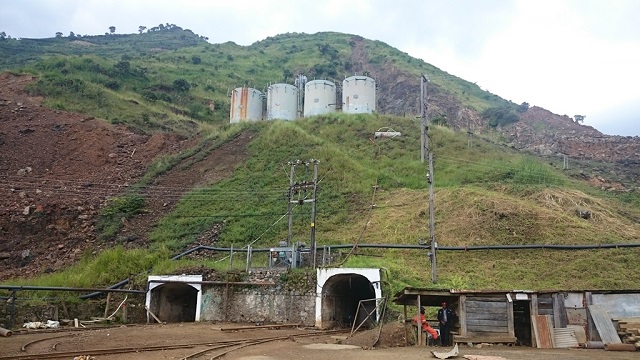
Photo Credit: Jumbo Graphite in Tanzania

  1. Global Context: Transition Minerals

The global demand for critical minerals essential for the production of batteries, electric vehicles, and renewable energy technologies currently projected to grow dramatically as the world pursues net-zero ambitions. The International Energy Agency (IEA) estimates that demand for critical minerals could increase sixfold by 2050, with their market value set to reach approximately USD 400 billion. An estimated 3 billion tons of critical minerals will be required by 2050 to drive the green transition.

The International Energy Agency (IEA) indicates the demand for critical minerals to achieve the net-zero goals of the Paris Agreement could increase sixfold by 2050, with their value reaching about USD400 billion[1].  To drive the transition to renewable energies, it is estimated that about 3 billion tons of critical minerals will be needed by 2050[2] and this will require an increase in mining activity to supply these quantities. The IEA Sustainable Development Scenarios [SDS], show the share of total demand for transition minerals will rise significantly over the next two decades to over 40% for copper and rare earth elements, nickel and cobalt (60-70%), and almost 90% for lithium.[3] Further estimates indicate that production of minerals such as graphite, lithium, and cobalt will increase by nearly 500% by 2050, and demand for copper will surge and remain high for a long time.

 The global energy transition and the corresponding surging demand for transition minerals offer opportunities for host nations through increased investment and mineral export revenue. However, the United Nations (UN), the Organization for Economic Cooperation and Development (OECD), and the African Union (AU) have all noted with concern that the increase in demand and mining of transition minerals has the potential to exacerbate economic injustice and human rights risks in mineral-rich countries and mining communities

  1. Tanzanian Context

Tanzania hosts globally significant reserves of transition minerals, including graphite, nickel, cobalt, and lithium, positioning it as a potential key global supplier. The mineral resource ranges from precious metals (gold, silver, PGE), critical minerals (graphite, nickel, cobalt, lithium, niobium, neodymium, praseodymium, vanadium, titanium, tin), and energy minerals (uranium, coal, and helium gas). Tanzania is among the top five largest graphite reserves in the world. (Ministry of Minerals, 2024).

The government is developing a Critical Mineral Strategy to regulate and guide investment, aiming to accelerate exploration to 50% national coverage by 2030. These minerals are essential for the production of batteries, electric vehicles, and renewable energy technologies. Tanzania continues to attract interest from key global mining players.

On the other hand, the government is seeking efficient ways to unlock and maximize the benefits of critical mineral resources, mindful that, in the past, the sector was marred by economic, tax, and human rights injustices.

  1. Why This Matters

 Over the last decade, the government has undertaken several policy and legal reforms to improve the sector with the aim of addressing the above concerns. There are still significant governance gaps, particularly in relation to business conduct and human rights. Tanzania’s drive for a sustainable mining future is a unique opportunity to embed Responsible Business Conduct and Human Rights Due Diligence into mineral policies, as the global demand for transition minerals increases.

  1. Study Objectives

The main goal of this study is to encourage policy dialogue and involvement from civil society in promoting Responsible Business Conduct (RBC) and protecting human rights within Tanzania’s transition minerals sub-sector. The analysis reviews key policy frameworks, including the Mineral Policy of 2009, the Mining Act of 2010 (revised in 2022), the EITI Act of 2015, and the draft Critical Minerals Strategy (CMS). It evaluates their relevance to the sector’s transition, identifies gaps in RBC, and highlights opportunities for policy improvement.

 The specific objectives are to:

  1. Contextualize Tanzania’s development of critical mineral resources from an RBC and energy transition perspective.
  2. Conduct an RBC gap analysis of the four selected policies and legal frameworks, aiming to identify gaps and opportunities to strengthen HRDD and RBC.
  3. Key Findings:

The study identifies significant governance gaps in the analyzed frameworks, particularly in relation to Responsible Business Conduct (RBC) and Human Rights Due Diligence (HRDD).

  1. Draft Critical and Strategic Minerals Strategy 2025

The Strategy forms an economic governance road-map to position Tanzania as a global critical mineral supplier.

  • While it makes broad references to ESG (Environmental, Social, and Governance) principles, it fails to integrate internationally recognized frameworks like the UNGPs or OECD Due Diligence Guidance, and does not mandate companies to implement or report on HRDD practices.
  • The policy recognizes the importance of engagement but overlooks the key principles of consultation and engagement, such as Free, Prior, and Informed Consent (FPIC), creating concerns about alignment with international human rights standards.

The draft strategy does not establish remedy mechanisms for communities adversely affected by critical mineral operations, offering insufficient clarity on how human rights or environmental harms will be addressed.

  1. Tanzania’s Mineral Policy 2009

The policy is the overarching framework for the mining sector, currently set for review.

  • It acknowledges socioeconomic, environmental, and community participation rights but does not explicitly require companies to operationalize RBC or HRDD.
  • It fails to address the rights of Indigenous communities, despite Tanzania’s endorsement of international instruments.
  • It is vague on addressing HRDD, focusing mainly on government monitoring of safety and environmental protection, but stops short of legally demanding that companies conduct or report on comprehensive HRDD processes.
  • The policy includes specific provisions for compensation, relocation, and environmental rehabilitation. However, lacks specific provisions for non-judicial grievance handling, falling short of Pillar III of the UNGPs on effective remedy.
  1. c) Tanzania’s Mining Act 2010 (CAP 123 RE 2019)

This is the overarching law governing the mining sector and matters relating to prospecting for minerals, mining, processing and dealing in minerals, granting, renewal and termination of mineral rights, payment of royalties, fees and other charges, and any other relevant matters. Over the past 10 years, the mining law has undergone significant reviews and amendments, particularly to strengthen government participation in the mining sector. The government plans to review the existing law(s) to ensure alignment with emerging geo-economic developments and the newly formed Tanzania Development Vision 2050.

The Mining Act acknowledge human rights by addressing land rights, relocation, resettlement, and fair compensation, and by requiring community participation and consent before mining companies can access land. It grants various mineral rights, such as prospecting, retention, primary, and special mining licenses under Section 7, and safeguards community land rights through provisions like Section 95, which mandates village council approval and lawful occupier consent.

However, there is no explicit requirement that all mining sector decisions and operations comply with international human rights standards would ensure that the revised law balances economic interests with the protection of communities and their rights.

  1. Conclusion and Recommendations

The study concludes that Tanzania needs to move beyond procedural safeguards and embed Responsible Business Conduct and Human Rights Due Diligence at the core of its policy and legal frameworks to ensure a just and sustainable future. Key recommendations include:

  1. Ministry of Minerals:
  • Integrate Responsible Business Conduct (RBC) and Human Rights in Strategy & Policy: Ensure that the finalization of the Critical Minerals Strategy incorporates RBC and human rights considerations, and that insights from this analytical review informs the development of the upcoming Mining Policy.
  • Strengthen Licensing Conditions: Integrate environmental, social, and governance (ESG) benchmarks into mineral licensing, making compliance a prerequisite for exploration and production rights.
  • Develop Transparency Portal: Build centralized digital platform for public access to contracts, production data, revenue flows, and disclosure reports, ensuring accountability across the sector.
  • Integrate Gender Equity in Mining: Compel mining companies to adopt gender‑responsive policies and mandatory reporting on gender inclusion.
  • Monitoring & Enforcement Capacity: Develop and equip specialized compliance unit within the Ministry to audit disclosures, monitor ESG performance, and sanction non‑compliance.
  1. Parliament of Tanzania
  • Legislate Mandatory ESG Reporting: Pass amendments to the mining law that enforces disclosure of human rights, gender equity, and environmental impacts, harmonized with existing global standards (e.g., OECD, EU).
  • Strengthen Oversight Roles: Empower parliamentary committees to audit mineral revenues, monitor state‑owned enterprises, and further review compliance with established disclosure standards.
  • Improve Community Participation: put in place mandatory provisions requiring free, prior, and informed consent (FPIC) for affected communities in critical minerals projects, embedding social license into law.
  • Amend and strengthen the Extractive Industries Transparency and Accountability (TEITA) Act to mandate full contract disclosure and human rights disclosures.

iii. Tanzania Extractive Industries Transparency Initiative (TEITI) Committee

  • The TEITA Committee should apply its powers under Section 10(2)(a) and (k) to push for human rights disclosures across the mining sector, including within state-owned enterprises and joint ventures in critical minerals.
  • Establish community-level multi-stakeholder structures that replicate TEITI’s national committee model. This would expand transparency and accountability by involving host communities, civil society, and local governments directly in monitoring extractive operations and revenue flows.
  1. Mining Companies (Private and State-Owned Enterprises, including STAMICO)
  • Mining companies should adopt comprehensive human rights due diligence (HRDD) frameworks to align with established global standards.
  • Companies should regularly publish non‑financial reports that disclose their performance on human rights, gender inclusion, and environmental sustainability, which would be subject to independent verification to enhance credibility.
  • Companies should operationalize community grievance mechanisms at the project level operational level.
  1. Local Government Authorities
  • Institutionalize effective stakeholders’ engagement including FPIC processes in land acquisition, resettlement, and compensation.
  • Local authorities should be trained and resourced to oversee negotiations, safeguard the rights of vulnerable groups (indigenous peoples, women, youth, persons with disabilities), and ensure equitable benefit-sharing agreements.
  1. Commission for Human Rights and Good Governance (CHRAGG)
  • Strengthen its role in monitoring mining-related human rights violations and handling community grievances. CHRAGG should be empowered with resources and legal authority to ensure timely remedies, independent investigations, and enforcement of sanctions for corporate or state non-compliance.
  • CHRAGG should further strengthen its legislative review mandate by actively recommending reforms to ensure that legal and regulatory frameworks governing the extractive sector are fully aligned with human rights principles and Responsible Business Conduct (RBC) standards.
  1. Civil Society and Media
  • Scale up capacity-building on Responsible Business Conduct (RBC) and HRDD frameworks (UNGPs, OECD, AMV, AU Green Minerals Strategy) for communities in critical minerals zones.
  • Civil society and media should work to document, monitor, and report abuses, while supporting communities in accessing legal aid, remedies, and negotiation processes.
  • Civil society organizations (CSOs) should provide technical support, knowledge, and practical tools to enable businesses and government institutions to effectively implement Responsible Business Conduct (RBC).
  1. Conclusion

Tanzania’s mineral wealth is a once-in-a-generation opportunity. However, without strong communication and enforcement of RBC safeguards, the country risks repeating past mistakes of human, ecological and tax injustices.

If managed responsibly, it can:

  1. Drive industrial transformation.
  2. Attract responsible investment.
  3. Empower communities and protect rights.
  4. Position Tanzania as a global leader in sustainable mining.

[1] https://www.iea.org/news/clean-energy-demand-for-critical-minerals-set-to-soar-as-the-world-pursues-net-zero-goals

[2] https://www.unep.org/topics/energy/renewable-energy/critical-energy-transition-minerals

[3] https://www.iea.org/reports/the-role-of-critical-minerals-in-clean-energy-transitions/executive-summary

Critical Minerals Governance and Management Course-Open for Application

Africa is central to the global supply of critical minerals required for clean energy technologies, battery storage systems, digital infrastructure, and defence industries. Yet the governance of these minerals remains contested, with challenges including weak regulatory systems, corruption risks, environmental degradation, geopolitics and conflict-affected supply chains, illicit financial flows, and limited domestic value addition.

This course equips African leaders and practitioners with the strategic, governance, compliance, and development tools needed to manage critical minerals responsibly and ensure these resources support sustainable industrialization and inclusive development.

Participants further gain knowledge and understanding of the contemporary debates, the political economy, geopolitical risks and how to interact with different stakeholders, develop and manage the prerequisite regulatory landscape to drive investment into the sector in a just and sustainable development manner.

1.0 Course Curriculum & Flow at a Glance

Module

/ Topic

Core Focus

Output

1

Critical Minerals and Africa’s Strategic Opportunity.

What are Critical Minerals, Mapping of Critical Minerals and their strategic nexus in the energy transition and development.

Contextual Mapping and strategic opportunity positioning paper

2

Political Economy, Geopolitics and Security Aspects of Critical Minerals

Geopolitical interests and competition, resource nationalism vs global policy debates, Minerals for Security deals, role of critical minerals in driving insecurity, SGBV and regional conflicts, trade

Political economy and Security Reflection paper

3

African Governance Architecture & Policy Framework

Africa Mining Vision and green industrialization strategy, Regional Approaches and Standards, Governance Model, tools and Mineral strategy

Governance and Policy gap analysis paper

5

Legal, Fiscal Regulation and Licensing systems

Licensing regimes and contract governance, Mining fiscal instruments (royalties, windfall taxes state participation, production, processing export and local regulations

Legal regulatory gap analysis reflection paper

6

Revenue Management, illicit financial flows and Development

Revenue Sharing, Fiscal Policy, Sovereign Wealth Funds and Stabilisation Mechanisms, Local Content and Community Development Agreements, Tax Avoidance and Illicit flows

Fiscal and management gap reflection paper

7

Governance institutions and accountability

Transparency, Accountability and Anticorruption, Roles of regulatory agencies, citizen oversight and cso participation, Parliamentary oversight, EITI, Open Contracting, Beneficial Ownership etc

Hidden ownership in Mineral concession

8

Environmental, Social Governance and Climate Smart Mining

Environmental impacts, tailing dams, water, biodiversity, community rights, FPIC, Resettlement, Gender and social inclusion, climate smart mining, regulatory enforcement and Monitoring systems.

Environmental and HR Safeguard reflection paper


9

ASM Governance and Livelihood Fomalisation,

ASM’s role, formalization strategies and social protection, child labour, safety and traceability

ASM Dev’t & reflection paper

8

Critical Minerals Value Addition & Regional Cooperation

Mineral smelting, Lithium batteries value chains, two and three wheelers, Regional Value Chains and AfcTA opportunities

Draft Value addition strategy

10

Responsible Sourcing, Due Diligence and Certification

Domestic & international regulatory Frameworks, Certification mechanisms (KPI, ICGLR), Mining Contracts

Responsible Sourcing & Certification reflection paper

11

Social License, Communities, Rights and Gender 

Community Consent and social license to operate, resettlement, compensation and human rights, Gender Dimension in critical minerals, FPIC

Community engagement Reflection paper

12

Communication, Advocacy, Accountability

Communication, information, advocacy and engagement tools.

Draft Press Releases/policy briefs

13

Emerging issues, Trends, innovative leadership + Capstone Project

Prerequisite transformational leadership for critical minerals and the green transition in Africa Case studies, applied project designs and challenge papers and briefs.

Policy challenge briefs /proposals + presentation

1.2 Delivery Methods

The course will employ a Virtual learning approach, integrating:

  • Expert-led lectures and interactive discussions
  • Practical case studies and simulations
  • Group work and peer-to-peer learning
  • Policy labs and project design sessions
  • Guest lectures from leading practitioners and global experts
  • Participants will receive reading materials, and toolkits to support post-course application of skills in their professional contexts and a professional certificate in Critical Minerals Governance and Management.

2.0 Course Content and Curriculum Overview

The Critical Minerals Governance and Management Course is designed to provide participants with both conceptual understanding and practical tools for influencing, designing, and implementing sustainable solutions. The course content is structured into 13 interlinked topics, each addressing a critical dimension of critical minerals governance, management and leadership in Africa.

Duration: 8-12 Weeks (1-2 live instructional days per week, 2-3 hours per day)
Structure: Online self-paced learning – lectures, workshops, simulations, guest speakers, field visit (resources permitting)

Target Audience:

  • Policy Makers, Government officials in mining, environment, energy, trade and finance
  • Legislators and regulators
  • Civil society actors working on extractives governance
  • Private sector, Supply chain and compliance officers
  • Academia, Researchers and graduate students
  • Development partners and regional institutions

Course Format

  • 1-2 Weekly live lecture session (2-3 hours per day)
  • Case study discussions & Practical assignments
  • Group project work, reflection papers & policy briefs
  • Guest speakers

Course Goal

To equip participants with the knowledge and practical tools needed to design, manage, and oversee governance systems for critical minerals that are transparent, sustainable, and development-oriented.

Learning Outcomes

By the end of the course, participants will be able to:

  • Define and classify critical minerals in global and African contexts
  • Understand governance challenges in upstream and downstream mineral value chains
  • Apply ESG, transparency, and responsible sourcing frameworks
  • Design policy and regulatory responses for sustainable critical minerals management
  • Assess supply chain risks including conflict financing and illicit trade
  • Promote local value addition and inclusive development outcomes

Diversity and Inclusion:
GEPC encourages participation from women, youth, and professionals from underrepresented groups to promote inclusivity and diverse perspectives in the sustainable energy transition discourse.

Admission Requirements

Applicants should meet the following minimum requirements:

  1. Educational Background:
    • At least a bachelor’s degree or equivalent qualification in a relevant field such as Mining, Geology, social sciences, political science, public policy, economics, law, international relations & diplomacy, environmental studies, engineering, communication, finance, or related disciplines.
    • Applicants with significant professional experience in the Mining, Geology, policy or governance sector will be considered in lieu of academic qualifications.
  2. Professional Experience:
    • At least one year of relevant work experience in government, civil society, academia, or the private sector, preferably in areas related to extractive sector, mining, geology, geo engineering, energy, public policy, climate & environment, media or economic development, banking and green financing
  3. Language Proficiency:
    • Proficiency in English (both written and spoken) is required, as the course will be conducted in English.
  4. Motivation Statement and CV:
    • Applicants must submit a brief statement (300–500 words) explaining their motivation for joining the course and how they plan to apply the knowledge gained in their professional setting. They must attach a short CV or resume plus a Headshot portrait photo
  5. Recommendation:
    • A letter of support from an employer, supervisor, work colleague or institutional head is encouraged but not mandatory.

Course Delivery Period:  8-13 Weeks (September- November)

The course is designed with flexible delivery options to accommodate the varying needs of participants. The 8-13-week program is structured into weekly modules, allowing participants to combine professional responsibilities with learning.

Course Management:  Virtual & Online

Virtual delivery will be managed through GEPC’s Moodle and Google Classroom digital learning platform.

Assessment and Certification

  • Weekly Reflections and Quizzes — 20%
  • Case Study Assignment — 30%
  • Final Capstone Leadership Project — 50%

 Certification

Upon successful completion of the course requirements, participants will receive a Professional Certificate of Completion in Critical Minerals Governance, Leadership and Management from the Governance and Economic Policy Centre (GEPC), jointly endorsed by partnering academic or professional institutions where applicable.


Course Fees: A Subsidized rate of USD 250. Limited scholarships will be available to exceptional and early bird applicants

Essential Timelines

Months / Dates

Activity

May- July

Course Application window

July- August

Selection and Notification of selected participants

August / September

Course Commencement

November

End of Course and Graduation


How to apply:

Applications and support documents (Motivation letter, Recommendation letter, CV and recent Headshot photo) must be sent as a single PDF or word file to:  training@gepc.or.tz


East Africa’s 2026/27 Budget plans and implications of US-Iran war on energy and economic outlook

Author: Moses Kulaba, Governance and Economic Policy Centre

In February the major East Africa Communities Countries (Uganda, Kenya, Tanzania, Rwanda and Burundi) presented to their budget expenditure framework papers and plans in which governments outlined their tax budget proposals and priorities for 2026/27 financial years. The plans are now tabled before their country’s respective parliamentary committees for scrutiny and deliberation.

This paper reflects on the East African Community (EAC) countries budget and tax proposals in the context of economic and tax justice, equity and fairness and the implications of the US, Israel and Iran war on East Africa’s economic outlook for 2026/27. The paper finds that economic benefits from increased budgetary expenditures have been uneven and the US, Israel and Iran war has adverse implications on the region’s economic performance

According to the framework papers, Kenya plans to spend Ksh 4.7 Trln, Uganda UGx78.24 Trln (U$ 21.78 bln) which is about 12.7% increase and Tanzania will spend a record Tsh61.9Trln representing 9.7 % increase compared to previous budget. The governments will raise from tax and non-tax measures with Tanzania focusing more on domestic tax mobilization strategies due to donor aid restraints arising after the violent 2025 general elections. The countries have laid out key expenditure priorities with Education, security, health, infrastructure ranging among the top.

Country

2025/26 budget

2026/27 plans

+/-

Key Priority areas

Uganda

UGX 72.4 Tln

($20 B)

UGX 78.24 Tln

($21.78 B)

+12.7%

Econ transformation, Infrastructure, Fiscal Strategy, Infrastructure (EACOP)

Kenya

Ksh 4.2 T to 4.3 T ( $32-33 Bln)

Ks4.7Tln

+173bln

Education, Security, Health and Agriculture

Tanzania

Tsh56.49 Trln ($21.7–$22.07 Bln)

Tsh 61.9 Trln

+9.7%

Energy, Health, Education, Domestic Revenue Mobilization

Rwanda

Rwf 6,952.1 Bln


(US$57.5 Mln)

– 27.8% (GDP)

Infrastructure (Bugesera Intl Airport, Recurrent expenditure cuts

Burundi

Bf 5.2 trln

( $1.77 billion).

Infrastructure, Agriculture, Social development projects

South Sudan

SSP 7.00 Trln

Wages, debt servicing, and infrastructure development.

Dem Republic Congo

Cf 49,846.8 bln ($17.5 bln to $17.6 bln)

Security, infrastructure, agriculture, and social services


Despite the grandeur of the plans, experiences from the past budgets and analysis of their implementation outcome and economic impacts on ordinary citizens shows that the devil lies in the details. Increasingly, the budgets and their tax plans have been not equitable, just and fair.

Over the last three years, the EAC Countries have increased budgetary expenditures, increased taxes and suppressed inflationary pressures but recorded unevenly distributed economic prosperity. Unemployment, income and food poverty are still persistent.

The World Bank reports poverty rates in East Africa are generally high, with significant variations by country and region. In 2022, approximately 39.8% of Kenya’s population lived below the national poverty line. Other estimates for 2022 indicate international poverty rates (at a day) of 42.3% for both Uganda and Rwanda, and 32.4% for Sudan, with rates often higher in rural, arid, and semi-arid areas. Data indicates that while some countries have made progress, substantial challenges remain, with high debt servicing and vulnerability to external shocks affecting poverty reduction efforts

For instance, according to a study by Kenya’s National Bureau of Statistics household food poverty rates have increased and about 65% families in Nairobi barely afford two meals a day over lack of money. As of 2024, approximately 70% of households in Nairobi experienced food insecurity, ranging from moderate to severe. The conditions are worsening with recent reports in 2025 indicated that the majority of residents can no longer afford three meals a day, and many are skipping meals or stopping cooking altogether due to high costs together[i] The situation is worse in the informal settlements where over 65% of Nairobi residents live (The Standard times)

Further reports indicate widening income inequality and impacts in Kenya. While around 25% of Nairobi households fall into the middle-income group, only a small minority (about 3.54% or 58,818 households) belong to the upper-income group, suggesting that for a large portion of the population, purchasing two proper meals daily is a financial challenges

The poverty rates in Tanzania and Uganda remain high and have remained stagnated or declined at very modest rates over the last five years.

Tanzania’s poverty rate remains high, with approximately 49% of the population living below the international extreme poverty line of $1.90 per day, a figure that remained stagnant between 2011/12 and 2018. While economic growth has been steady, about 27% of the population still lives below the national basic need’s poverty line. Poverty is heavily concentrated in rural areas, where over 57% of inhabitants are considered multidimensionally poor[i]

Uganda’s national poverty rate has shown improvement, declining to 16.1% in 2023/24 from 20.3% in 2019/20, according to the Uganda Bureau of Statistics. Despite this, a significant portion of the population remains vulnerable, with 57.2% experiencing multidimensional poverty based on 2016-2022 data. Rural areas, where poverty is concentrated, have seen slight improvements, with poor individuals decreasing to 5.3 million in 2023-2024

Graph showing Budget Expenditure growth, population, economic growth and Poverty reduction trends

Figure 1:  GEPC Research Data analysis

Despite what looks like well-structured priority sectors, the expanded budgetary expenditures are yet to be reflected in the pockets of ordinary citizens.

What is ideal budget and economic growth rates to cut poverty

Based on the World Bank and Africa Development bank projections, the national budget are ‘modest’ and insufficient to cut poverty. To put a dent in the poverty rates at the current population growth rates, the economic growth would need to be sustained between 7-10% for a period of about 5 years.  To achieve that level of sustained growth the budget expansion rates would require to consistently remain between 15-30%. The governments would require to target high fiscal multiplier efficiency.

With the current budget proposals, projected revenue collections and expenditure priorities characterized by significant portions of the national budgets spent on recurrent expenditure (salaries) and debt serving, achieving poverty reduction and economic justice targets in the EAC countries are unattainable.

Limitations to achieve ideal budget expansions and equitable economic growth for poverty reduction

Moreover, EAC countries’ economies and tax plans are still exposed to large external debts and vulnerable to internal and external shocks.  In 2023 Kenya and Uganda experienced violent tax protests. The DRC, Rwanda, Burundi and South Sudan are still affected by conflicts that have stagnated their economic progress.

Rwanda plans to on fiscal consolidation with a reduction from 28.7% of GDP in 2025/26 to 27.8% of GDP in 2026/27 and projected economic growth of approximately 7.1% to 7.5% in 2026, driven by strong performance in services, industry, and continued public investment. However, these plans and growth trajectories are negatively affected by an ongoing conflict in the Eastern DRC which has adverse effects on Rwanda mining and tourism sector.

The DRC and South Sudan struggled to pass their last budgets on time while Burundi has struggled to service a huge external debt burden. The country heavily relies on domestic revenue (including occasion tax hikes on imports and services) and borrowing from domestic banks due to fiscal constraints and lack of external support. The Burundi, DRC and South Sudan experience demonstrate the tragedy of conflict, economic exclusion and meeting public economic expectations in time of crisis.

The high poverty rates, persistent conflicts and failure or delayed passing of the national budgets in our conceptualization constitutes a breach in public expectations, exacerbates the distance between the state and the public, creates further civil apathy and failure to deliver economic outcomes, which can lead to a vicious cycle of poverty economic exclusion, more conflicts and eventual state collapse.

Implications of US, Israel and Iran war on budget and regional economic outlook

The ongoing US, Isreal and Iran war characterized with a spike in oil and gas prices and logistics supply chain disruptions in its first days, will affect energy outlook, may thwart economic growth projections and budget plans in the short and midterm. The impacts will be worse if the war continues for more than six months.

Photo credit: Los Angles Times

The EAC and Middle East economic nexus

The EAC economy has been increasingly integrated with the Middle East, particularly, the Gulf Cooperation Council (GCC) like the UAE and Saudi Arabia through a combination of high-volume trade, strategic infrastructure and financial aid. Since 2015 the Middle East has become to the top logistical hub and EAC’s export partners and The EAC is energy import reliant on the Middle East for petroleum products and Uganda and Kenya have signed fuel agreements to manage supply for potential disruptions. The GCC countries provide aid, infrastructure investment and currency stabilization facilities as was the case with the Kenya-UAE loan in 2025.

EAC countries have struck strategic partnerships beyond commerce. Gulf capital is present in infrastructure investments such as modernization of ports roads and sovereign investments focusing of mining, agriculture, forestry and tourism. This has increased aid dependence and debt exposure to gulf financing. Moreover, the over reliance on Gulf petroleum imports leaves EAC countries’ economies industrial production and transport sectors locked to the gulf and vulnerable to any shocks from the region.

Various models indicate there is a positive correlation of GDP elasticity with respect to world oil prices (i.e the ratio between percentage change in GDP and percentage change in World oil prices).  Prolonged high oil prices test global resilience, raising risks for growth, inflation and monetary policy. A 10% increase in oil prices, if sustained for most of the year, is estimated to reduce global economic output by approximately 0.2% and increase global inflation by about 0.4%. This acts as a tax on consumers and increases business production costs, slowing down growth in oil-importing economies.

An increase of 25% would lead to 0.5% loss in GDP and an increase by 50% will lead to 1% of loss of GDP. A doubling of oil prices can cause up to 14% of loss of economic outputs in countries over the years. In less developed countries like those in the EAC, where agriculture sector is the key contributor to GDP and the sector Is relatively less oil intensive due to less developed countries. However, the percentage of GDP loses in these countries are still higher compared to those of developed countries.

Based on these projections, we can the following risks and implications.

Key risks and implications

  1. Higher energy costs and disrupted logistics and generalized economic confidence shocks that will constitute meaningful drag on economic growth projects to slow down in Q4 of the 2025/26 budgets and Q1 and Q2 of the 2026/27 budgets and generally a gloomy economic outlook if the war continues for more than six months.
  1. Middle East export and import market disruptions affecting largely EAC’s agriculture sector, which is the major economic growth driver. The war has affected exports from the middle east of Ammonia and Sulphur, which are vital ingredients for the production of fertilizers, a vital product supporting the agricultural sector.
  1. Potential decline in aid, infrastructure investments and budget support from the Middle East as the GCC look inwards to finance their defence and war efforts. This will also trigger an aid squeeze from other regional blocks such as the EU as they focus on protecting Europe.
  1. Geopolitical pressures for realignment as the major contending powers the US and Isreal pressure EAC countries to choose sides, given some of their historical strategic and cultural relationships with Iran as a source of energy.
  1. The war represents in my theoretical construction a parody of the ‘Economic Big Boss and the Babies’, in international relations where the larger economic powers dictate the terms and the ‘babies’ deal with the negative consequences irrespective of their will, choice, location and contribution. In this construction of international relations one dominant state or group of states acting in consent and consort and through various means including state craft create an asymmetrical power relation with others analogous to a ‘Parent and baby relationship, where the stronger power exerts its spere of dominance beyond the physical and juristic territorial boundaries as recognized under international law, compelling the weaker states to act and respond to demands, desires, actions and geopolitical effects  of the bigger state.
  1. The world is yet to fully recover from the loss of markets and inflationary pressures the US global tariffs and were working towards realignment of new trading partners in the middle east. This war will add uncertainty to this economic quagmire. As the global economy snarls and slags, the EAC economies could follow too, albeit with levels and pace.
  2. The success of the US and its allies in the middle could increase appetite for it to attack elsewhere setting in motion a spiral of violence, war and economic disruptions around the world. It is widely believed that the US’s success in Venezuela and Isreal’s success in Palestine and Lebanon could have motivated its attack of Iran.

Key recommendations

Tax and budgetary actions.

Reclaim public trust and social contracts to serve via a just, fair and equitable taxes and redistributive budgetary policies.

To mitigate the unequitable distributed economic growth and achieve East Africa’s budget trajectory and economic outlook will require something beyond the traditional ‘invisible hand’ economic theory approach to correct.  The traditional approach suggests free markets naturally achieve optimal efficiency.

Keynesian economics fundamentally challenges the traditional “invisible hand” concept, arguing instead that economies can get stuck in prolonged recessions. Keynes believed the “hand” is not self-regulating during crises, necessitating active government intervention (fiscal policy and other interventions) to manage booms and busts or serious economic disruption.

Strategic recommendations

  • Pursue intra Africa regional trade so as to shelter against external shocks in the middle east
  • Increase investment in renewable energy sources to reduce over reliance from Middle East fossil petroleum
  • Pursue new geopolitical realignments to hedge against the potential fall out and of the middle east and other turbulent blocks

[i] World Bank Group: Poverty and Equity brief, Sub-Saharan Africa, Tanzania April, 2020 available at : https://databankfiles.worldbank.org/public/ddpext_download/poverty/33EF03BB-9722-4AE2-ABC7-AA2972D68AFE/Global_POVEQ_TZA.pdf#:~:text=Using%20the%20international%20extreme%20poverty%20rate%20of,people%20are%20considered%20poor%20along%20this%20line.

[i] The Standard Newspaper; Why majority of Nairobi residents can no longer afford to eat,  February, 08, 2025, available, at https://www.standardmedia.co.ke/national/article/2001511317/why-majority-of-nairobi-residents-can-no-longer-afford-to-eat


[ii] Apolo Rosabella, Strengthening food and nutrition security in Nairobi’s informal settlements, Africa Cities Research Consortium (ARC), February, 2024 available: https://www.african-cities.org/new-paper-strengthening-food-and-nutrition-security-in-nairobis-informal-settlements/#:~:text=New%20paper:%20Strengthening%20food%20and%20nutrition%20security%20in%20Nairobi’s%20informal%20settlements,-Feb%208%2C%202024&text=Since%20independence%2C%20Kenya%20has%20grappled,residents%20of%20low%2Dincome%20households.


Why Decarbonization of fishing and Maritime Sector must be a priority for climate action

GEPC Reflection paper on Maritime Climate and Nature Governance

Despite progress, decarbonization of the maritime shipping and fishing sector remains one of the conundrums to disentangle in the global climate change and energy transition juggernaut. The process is slow and messy yet fossil pollution from the maritime sector in the form of oil dumps and carbon emission takes its toll on marine ecosystems, health and livelihoods.

According to study reports, the maritime sector contributes approximately 3% of global greenhouse gas (GHG) emissions, amounting to over 940 million to 1 billion tons of  annually. As the backbone of 80-90% of global trade, ships also emit 18-30% of nitrogen oxides and 9% of sulfur oxides, causing 60,000 annual, pollution-related deaths each year related to heart and respiratory diseases, particularly in communities near seaports. As global trade continues to grow, international shipping emissions could rise to 17% or more of global GHG by 2050 (Climate Works Foundation)

The maritime shipping sector remains a significant contributor to global greenhouse gas emissions, intensifying climate change and impacting the health of communities, ecosystems, and economies worldwide. Decarbonizing shipping isn’t just about tackling climate change — it’s about easing the health toll on port communities, which suffer most from polluted air (ibid)

Approximately 80% to 90% of global trade by volume is carried by sea and handled by ports worldwide, making maritime logistics the backbone of the global economy. By value, maritime transport accounts for over 70% of global trade. This reliance includes raw materials, fuel, and finished goods, with around 11 billion tons of goods transported by ship annually

Global fishing fleets, powered mainly by fossil fuels such as marine diesel, emit between 0.1% to 0.5% of global carbon emissions, or up to 159 million tons annually, according to the latest available UNCTAD data. The fisheries sector, crucial for the livelihoods of more than 40 million people worldwide, faces escalating threats from climate change. These include rising sea levels and warming waters that jeopardize fishing ports and deplete fish stocks. The risks are particularly high for developing countries, where small-scale and artisanal fishing prevails.  Yet the fishing industry lacks comprehensive global targets and guidelines for transitioning to cleaner energy, UNCTAD reports

Decarbonization of the sector will require political will and investment in new technologies that enable the fishing and maritime vessels to straddle the breadth of water surfaces without spilling and emission of toxic waste. Fishing fleets in their different sizes are a key contributor to the fisheries and seafood value chain, but also an important source of GHG emissions because they rely on fossil fuels such as marine diesel as a source of energy.

Fishing is an extractive sector and most emissions stem from the fuels that are used to propel the fishing vessels, but fuel is also used for processing fish on board vessels. Moreover, the fuel used in fishing vessels is often diesel or other forms of bunker fuel or heavy fuel oil (HFO), which contains more contaminants than regular fuel and is therefore more polluting. It is therefore imperative that lighting efforts are made to decarbonize the sector.

Decarbonising the Maritime and fishing sector focuses on achieving net-zero emissions by 2050, as targeted by the International Maritime Organisation (IMO), through adopting alternative fuels (biofuels, methanol, ammonia), enhancing energy efficiency (hull optimization, wind-assisted propulsion), and utilizing digital technologies. For fishing, this involves electrifying small vessels and implementing hybrid systems on larger ones, alongside reducing overfishing to protect ocean carbon sinks. 

 Key Aspects of Maritime Decarbonisation

  • IMO Targets: The IMO aims for at least 20% to 30% reduction in GHG emissions by 2030 and 70% to 80% by 2040, aiming for net-zero by 2050.
  • Alternative Fuels: Transitioning to biofuels, LNG, methanol, and ammonia is central to eliminating carbon from shipping, with ongoing testing and safety protocols.
  • Energy Efficiency: Immediate gains are achieved through hydrodynamic hull improvements, advanced propeller designs, and AI-driven performance optimization.
  • Technological Shift: The industry is moving towards digitalization for monitoring emissions and using IoT for real-time energy management. 

Decarbonising the Fishing Fleet

  • Fuel Savings: Implementing advanced trawl designs and efficient, low-resistance nets has shown up to 20% fuel savings in pilot studies.
  • Propulsion Systems: Small-scale, near-shore fishing vessels are best suited for electric battery propulsion, while larger vessels are transitioning to hybrid systems.
  • Operational Changes: Reducing speed, optimizing fishing times, and adopting smart, energy-monitoring gear are crucial, non-technical, or “soft” measures.
  • Policy & Incentives: Policies include phasing out fossil fuel subsidies, implementing carbon taxes, and directing funding toward green retrofitting. 

 Challenges and Strategies

  • Data and Methods: Fishing fleets often have high fuel reliance, contributing about 4% of food production CO2 emissions. Accurate, bottom-up data is needed to track progress.
  • Socioeconomic Factors: The transition must account for the impact on coastal communities, requiring support for fishermen to invest in new, greener technologies.
  • Ecological Benefit: Ending overfishing is key, as healthy oceans and fish stocks optimize natural carbon sequestration. 

 Decarbonizing the fishing fleets: Considerable recommendations

UNCTAD finds that considerable fuel use reduction can be achieved from fully implementing existing EU regulations (for instance, by rebuilding stocks and allocating fishing opportunities in accordance with Article 17 of the Basic Regulation on the common fisheries policy). To this end, fuel use efficiency and greenhouse gas emissions need to be integrated as an explicit goal of fisheries management, and monitored on the basis of robust data collection.

Moreover, the introduction of alternative fuels will require major investment in new infrastructure as well as regulatory changes in the short term, but lead to major gains in the long term, with regard to both costs and emissions. It is however important to optimise the choice of fuel and technology for the operational profile of each vessel. In the transition, it is crucial that economic policy instruments, such as taxes, fees and emission quotas, are used wisely to incentivise transition.

 A ban of fossil fuel use in fisheries by 2050 would give clear incentives and pave the way for the transition – but needs to be accompanied by well-designed funding opportunities for green investments and compensatory measures to minimise the rise in short-term costs. Overall, a systems perspective is needed to achieve an energy-efficient, decarbonized fishing sector, without this causing other environmental impacts.

 Balancing Decarbonization and Fairness to less developed countries and fishing communities

The Maritime and fishing industry needs to shift to alternative energy – but in a way that’s fair for vulnerable countries and communities. The Maritime sector accounts for more than 85% of global trade logistics and the fisheries sector is important for food security, jobs and for the livelihoods of millions of people, especially in developing countries.

Based on reports from the World Bank and Food and Agriculture Organisation (FAO) maritime logistics is critical for developing economies, with over 80% of global trade volume carried by sea. Developing nations account for roughly 55% of seaborne exports and over 60–70% of imports, making their trade, particularly in raw materials and consumer goods, heavily dependent on maritime transport (World Bank)

Meanwhile approximately 500 million to 600 million people in developing countries and less developed countries (LDCs) rely on small-scale fisheries and aquaculture for their livelihoods. It is imperative that adopting alternative fuels and energy mix must be gradual and contextual to ensure a “just” energy transition that doesn’t disproportionately affect vulnerable countries or fishing communities.

Need for targeted and stronger regulations for maritime and fishing fleets. According to UNCTAD “Existing energy efficiency measures and regulations adopted by the International Maritime Organization for global shipping are of only limited application to fishing vessels, primarily due to their size and operational patterns.  For example, vessels that fall below certain tonnage thresholds or operate exclusively within a flag State’s jurisdiction are exempt. Fishing vessels are also currently excluded from reporting obligations and market-based measures for GHG reduction adopted at the European Union level, except for the taxation of energy products used to propel all vessels.

Moreover, in the context of Nationally Determined Contributions (NDCs) under the Paris Agreement – where countries outline their pledges to cut emissions and adapt to climate change – most of the top ten major aquatic food exporters show limited commitments to climate mitigation or adaptation in fisheries-related sectors. The IMO regulations thus need to be reasserted and enforced with time bound milestones for implementation and roll out across the maritime and fishing sector.

Scale up research and development in alternative fuels.  So far, green biofuels made from non-feedstocks or fish waste, stand out as the most readily available and mature option however still face challenges of safety, scalability, cost effectiveness, storage capacity of vessels and ports and, delivery infrastructure. For green methanol and liquefied natural gas faces challenges in terms of retrofitting and safety, with limited potential to fully decarbonize fleets. Other possible ways to reduce fishing vessels’ GHG emissions by use of electric and hybrid engines, wind propulsion technologies and digital technologies to improve energy efficiency must be explored, tested and scaled up.

 Harmonize Global Data Collection:  On the economic and technological fronts, UNCTAD calls for a globally harmonized system for data collection, adapted to small-scale and artisanal fisheries, to monitor and report fishing fleet GHG emissions.  The data must be openly shared with the countries and communities were fishing fleets operate.  Further exploration and use of sustainable fuel options from circular economy practices, such as converting fish waste and seaweed into biofuel or biogas for fishing vessels and expanding their delivery infrastructure must be used.

Start incremental phase-out and, ultimately, prohibit fossil fuel-based subsidies to the fisheries sector.  From a trade, value chain and infrastructure point of view, there must be incremental phase-out and, ultimately, prohibition of fossil fuel-based subsidies to the fisheries sector. Also crucially take effective measures on climate change adaptation, resilience-building and disaster risk reduction for seaport infrastructure, as well as improving access to affordable financing for developing countries.

On environmental considerations,  introduce fishing fleet decarbonization commitments into NDCs to align mitigation and adaptation efforts, since decarbonization cannot be separated from marine stewardship and fish stocks sustainability.

Polluter Must Pay.  Governments must impose heavy carbon taxes on large fossil polluting commercial fishing vessels in the form of excise duties to compensate for the environmental and health damage caused. These must be accompanied with guard rails on how much of these can be passed down to consumers.

Finally, address social and economic livelihood factors, by prioritizing the well-being, livelihoods and rights of fishers in the energy transition and enhancing safety standards

Efforts towards a Carbon Free Maritime Transport fleet and logistics industry: A Case of CMA CGM

The transition requires intense collaboration between ship owners, regulators, and energy suppliers to implement tailored solutions for the diverse global fleet. So far CMA CGM and Mearsk have joined efforts to address decarbonization in the shipping and maritime sector

According to the Company’s reports, CMA CGM a leading global player in Maritime transport and logistics adopted an ambitious operation and financial strategy to achieve net zero carbon across all its operations by 2050. The company targets to reach two intermediate stages for its shipping activities: -30% of greenhouse gas emissions by 2030 and -80% by 2040 (vs 2008). 

CMA CGM’s decarbonization strategy is based on two pillars:

  1. Reducing energy consumption through operational excellence and optimization of the Group’s assets,
  2. Increasing the share of low-carbon energies, both by acquiring adapted assets and developing sustainable production channels.

CMA CGM has reduced the carbon intensity of each container transported on its ships by 50% between 2008 and 2022. To reduce its total CO2 emissions, the Group continues to optimize ship design and propulsion, and to improve the energy efficiency of its sea and land operations and infrastructures. Moreover, three fleet centers constantly assist crews on board with improved data to optimize routes, and the SMARTSHIP project will provide cutting-edge connectivity for 200 vessels to transmit real-time navigation and fuel consumption data by 2025.

The Group continuously improves its fleet performance with design innovation, including hydrodynamics and aerodynamics and new propulsion technology to save fuel.  Port terminals operated by the Group have been revamped to limit their environmental impact with the installation of solar panels, use of hybrid or all-electric handling equipment, supply of biodiesel, and LED lighting.

Diversifying the energy mix: The biggest challenge for more sustainable maritime transport is developing low-carbon energies. CMA CGM continues to diversify its energy mix by integrating alternative energies to power its maritime, road and air assets.

To date, CMA CGM has invested $15 billion in 119 new vessels ready to use biogas, bio methanol and e-fuels, that will be in fleet by 2028. Through partnerships with industrial and energy leaders, CMA CGM supports the development of a sustainable supply chain for these new low-carbon fuels. Convinced that the transition of the shipping sector will be driven by multiple energy solutions, The company has explored all alternative energies for the future such as ammonia, hydrogen and sail assistance. 

CMA CGM subsidiaries also contribute to the Group’s Net Zero target on land and in the air. By 2025, CEVA Logistics will operate a fleet of 1,450 electric vehicles for all logistics, and its entire warehouse facilities will use low -carbon electricity delivered by 1.8 million sqm of solar panels.

CMA CGM has also adopted an ambitious strategy to modal shift from road to lower-carbon transport, such as rail and barges, with the objective of reaching 70% by 2025.  Launched in March 2021, the Group’s air cargo division will be the first to launch the A350F, the most modern and energy-efficient model on the market.  CMA CGM supports a start-ups, universities and research centers nd drives innovation to build low-carbon, more sustainable global supply chains.

References:

Climate works Foundation: https://www.climateworks.org/programs/transportation/maritime-shipping/#:~:text=The%20challenge,other%20harborcraft%2C%20eliminating%20major%20pollutants.

EPRS: Decarbonizing the fishing sector: Energy efficiency measures and alternative energy solutions for fish, PE 740.225 – June 2023

UNCTAD: Energy transition of fishing fleets: Opportunities and challenges for developing countries: https://unctad.org/publication/energy-transition-fishing-fleets-opportunities-and-challenges-developing-countries

Word Bank;  Sustainable Development in Shipping and ports , ( August 14, 2025)  Available via: https://www.worldbank.org/en/topic/transport/brief/sustainable-development-in-shipping-and-ports#:~:text=Maritime%20is%20critical%20for%20Global,change%2C%20maritime%20transport%20is%20crucial.

Webinar on Geopolitics of Critical Minerals and implications for Eastern and Southern Africa

Topic: An Analysis of the strategic gains and risks offered by the EU Strategic Partnership, Lobito Corridor and Minerals for Security deals on East and Southern Africa’s Critical Transition Minerals

The surging demand for minerals critical to green transition offers potential economic benefits for mineral rich countries however the dash to secure their supply chain has kicked off geopolitical interests, competition and realignments whose outcomes could have long lasting relationship with divergent unforeseen impacts.

With the Eastern and Southern Africa combined as a single economic bloc, the region has the highest concentration of critical green transition minerals such as cobalt, coltan, nickel, graphite, tungsten, tantalum, copper in the world. Yet the history of governance and management of the mineral sector has never yielded very positive dividends for mineral-rich countries in the region. Minerals have fueled conflicts in the DRC and Mozambique, Debt traps in Zambia, political patronage and environmental concerns in Zimbabwe and economic inequalities in South Africa and Botswana.

This webinar will provide an overview of the critical mineral wealth in Eastern and Southern Africa with a particular focus on the strategic gains and risks that geopolitical initiatives such as the EU Strategic Minerals Partnerships, the Lobito Corridor and emerging minerals for security deals offer. It is estimated that the mining industry needs to invest $1.7 trillion over the next 15 years to extract and supply enough metals for renewable energy and Africa possess almost half of these.   

The webinar will discuss the geostrategic machinations at play by superpowers such as the US, Europe, Russia and China in the context of the dash for control of critical minerals for the green transition and the current extractive governance challenges facing the region. While strategic alliances may not entirely be a bad idea, there are concerns over the underlying possible geopolitical, security and perceived neocolonial undertones that may come with these initiatives.

And how the historical socio-economic justice concerns of similar geopolitical jostling, security guarantees at the Berlin conference and hinterland to port initiatives contributed to the colonial exploitation of Africa’s resources for benefits elsewhere. Moreover, the mineral for security deals are tainted with opacity, designed with a biased potentially exploitative and a perceived neocolonial mindset aimed at rewarding the dominant superpower and the aggressor against the victim in exchange for its resource. The minerals for security deals are negotiated behind closed doors and their full terms are not availed neither to the public nor the citizens of the mineral rich country.

Amidst this mineral dash and possible geopolitical balkanization, it is feared that without strategic positioning, the Eastern and Southern Africa critical minerals rich countries could again miss out from this mineral boom.

Our expert speakers at this webinar will delve deeper into this topic, highlighting on the possible risks and benefits that the region can garner from these initiatives and measures the region can take so as to avert the risks and maximize benefits from these partnerships. This webinar is organized by the Governance and Economic Policy Centre in Collaboration with Botswana Watch Organisation. 

Our distinguished speakers will be

  1. Ketakandriana Rafitoson, Executive Director, Resource Justice Network (formerly PWYP): Key concerns for critical minerals Governance and our desired sustainable future. Dr Ketakandriana is a political scientist, researcher, activist, and human rights defender with distinguished career in anti-corruption, where she served as leader of Transparency International Chapter in Madagascar. Her work mainly focuses on issues of resource governance, anti-corruption, citizens’ participation, good governance and democracy.


  1. Adriano Nuvunga, Executive Director, Centre for Democracy and Human Rights (CDD), Mozambique: The Geopolitics of critical minerals, neocolonial extractivism and conflict. Prof Adriano Nuvunga is a Mozambican scholar, anti-corruption advocate and human rights defender. He is the director of the Center for Democracy and Human Rights (CDD), an organization that promotes democracy and protects human rights in Mozambique and Professor of professor of political science and governance at the Eduardo Mondlane University in Maputo. He has widely published on resource governance and violence in Mozambique’s Cabo Delgado province.


  1. Mr Robert Lestatsi, Executive Director, Botswana Watch Organisation; Assessing the Lobito corridor project and Africa’s desired benefits from critical mineral wealth. Robert Letsatsi is the Executive Director of Botswana Watch (BW), an organization focused on promoting transparency and accountability in Botswana. He is also involved with the PWYP coalition in Botswana and the UNCAC Coalition, an international anti-corruption network. Additionally, he has been involved in advocacy of mineral resource governance and training on human rights violations, in collaboration with Ditshwanelo – The Botswana Centre for Human Rights.
  1. Moses Kulaba, Executive Director, Governance and Economic Policy Centre, Moderator. Mr Moses Kulaba is a Governance and political economist, tax law expert and economic diplomat with more than 20 years of active service in international public, private and civil society sector.  Prior to joining GEPC he served as the East Africa Regional Manager for the Natural Resources Governance Institute, where he worked with various stakeholders including governments to advance governance of the extractive sector. Has served on the international board of the EITI and in consultancy roles for DFID , the EU and the UN on governance, extractives and peace processes in Eastern and Africa Great Lakes region.

 Date: 30th July, 2025

Time: 12pm EAT, 11 AM Gaborone (CAT) and 9 AM Lagos

Login:  https://us05web.zoom.us/j/84450912293?pwd=lwabYIwsvJ27A8bP0v8hVQpaUOaYQ3.1

Meeting ID: 844 5091 2293

Passcode: 7XFcHc

Critical Minerals Certification: Do Mineral Certification Mechanisms Reduce harm? A Look at the Kimberley Process, ICGLR, RMI, and OECD”

Authors:  Moses Kulaba and Roger Vutsoro, Governance and Economic Policy Centre


This short analytical study explores the existing   national, regional and global certification mechanisms such as the Kimberly Process, ICGLR, OECD Due diligence measures, Responsible Mining Initiatives in the quagmire of improving of minerals governance. It entangles and assesses the increasing perceptions (based on evidence from countries such as the DRC) that the current certification regime is running dangerously obsolete, not designed for critical minerals and thus needs a review and realignment for new purpose, including proposing measures that go beyond the current regional certification.

Decades ago, mineral certification was mooted as a solution to addressing the chronic problems of illegal mining, mineral smuggling and mineral driven conflicts, economic injustices and impunity in mineral rich countries.  To this regard, regional and global mineral certification mechanisms were developed with countries and mining companies required to sign up to these new certification principle and mechanisms. However, decades after, minerals continue to be drivers of conflict and harm in many countries.

As the appetite for Critical or Transitional minerals required for the green and clean energy industrial technology gains gusto momentum, there are concerns that this new mineral dash may exacerbate corruption, conflict and suffering in critical minerals rich countries. Apart from calls to establish regional value chains, there is evidence to suggest that a proper global certification mechanism should be put in place to ensure responsive sourcing of critical minerals and that their extraction does not lead to further harm.

What is mineral certification


Mineral certification is a process that verifies the origin and legitimacy of minerals, ensuring they are not associated with conflict or human rights abuses. It involves tracing minerals from the mine site to the final point of export and confirming they are free from illegal activities. This helps to prevent the financing of armed groups and other illicit activities linked to mineral extraction. This certification involves a thorough verification process to trace the minerals’ origin and verify they are free from illegal financing, armed group involvement, and human rights abuses.

At face value, this sounds like a good measure, however existing mechanisms of a similar nature such as the Kimberly process, ICGLR certification initiative and the OECD Due diligence measures have not succeeded in fully addressing the issue of conflict minerals and mineral smuggling. In Countries such as the Democratic Republic of Congo and Mozambique, minerals continue to be a driver of conflict and mineral smuggling to neighboring countries is still rife.  This therefore puts to question the efficacy of the existing global certification mechanism in strengthening governance, regulating supply, improving ethical mining business conduct and reducing harm from extractive resources.

Existing major Regional and Global Mineral Certification regimes


The Kimberly Process Certification System (KPCS)

The Kimberly Process (KPCS) is a global standard certification process established in 2003 by the United Nations General Assembly (Under resolution 55/56) to prevent conflict diamonds from entering the mainstream diamond market.  KPCS was set up to ensure that diamonds as precious minerals are sourced and traded in a responsible manner, reducing financing conflicts and human rights violation. KPCS has laid out requirements for participating member countries to comply including[1]

  1. Enforcement of regulatory standards to control export and import of rough diamonds
  2. Principles of transparent practices to ensure integrity of the diamond supply chains
  3. Selective trading with only KP certified and compliant members
  4. Verification of exports to ensure every traded diamond is accompanied by a conflict free certificate.

Member countries are obliged to enforce these standards. To date 60 participants (representing 86 countries) are signatory members to the Kimberley process and have committed to applying KP principles in the certification of its traded diamonds. The standards require that;

  • Participant countries must enforce stringent legal and regulatory standards to control the import and export of rough diamonds and ensure adherence to KP requirements.
  • Participants commit to transparent practices, which are crucial for the integrity of the diamond supply chain, by exchanging accurate and timely statistical data.
  • Trade is permitted only between certified KP members who comply fully with these international standards, safeguarding the legitimacy of the diamond trade.
  • Every diamond export is closely inspected and must be accompanied by a valid KP certificate, certifying that the diamonds are conflict-free to prevent the entry of illicit stones into the market.
National Level Governance and Implementation of the Kimberly Process; A case of Tanzania


In Tanzania the Kimberly Process Office is situated in the Mining Commission, an Institution within the Ministry of Minerals. This office is responsible for the implementation of the KPCS activities, import and export of rough diamond; the office is under the authority of the Executive Secretary. The Mining Commission works closely with the Tanzania Revenue Authority’s Customs Department, Tanzania Intelligence and Security Service and the Police Force for strengthening internal control. The Kimberley Process Office forms a part of the Mineral Audit and Trade Department, which is under the Director for Mineral Audit and Trade who assists the Executive Secretary in administering the KPCS activities. The office issues Annual reports.

Before the issuance of Kimberley Process Certificate, the exporter of rough diamonds must submit a valid Dealer’s license/Mining license, which allows him to export minerals outside Tanzania. The Dealer’s license indicates full address, type of minerals, the premises and signature of Executive Secretary or a person authorized to sign. The exporter fills the application form which indicates license type, license number, weight, value, source of diamonds to confirm that diamonds are conflict free, place of export and declaration of exporter by putting his/her signature, name and qualification to apply for a certificate and pays to the government USD 100 as an application fee for Kimberley Process certificate. Post to the valuation process, the exporter is required to pay royalty (6% of a value) and inspection fee (1% of value) to the Government.

Any person who contravenes any of the provision in Diamond trading regulation commits an offence and liable:  In case of an individual to imprisonment for a term not exceeding three years or to a fine not exceeding US dollar twenty thousand (US$ 20,000) or to both. In case of body corporate, to a fine not exceeding US dollar one hundred thousand (US$ 100,000), or c. Cancelation of his license and permanently be disqualified from prospecting, mining or dealing in diamond and any other minerals.  Any rough diamonds obtained contrary to the provisions of Diamond trading regulations shall be forfeited in addition to other penalties[2].

The International Conference on Great Lakes Region (ICGLR) Mineral Certification Measures


The ICGLR Certification mechanism was developed to address the persistent of mineral driven conflicts in the Africa Great Lakes region. It aims to create a conducive environment for cooperation among member states while also ensuring the protection and well-being of the people living in the Africa Great Lakes region.

The ICGLR Certificate confirms a mineral shipment is conflict-free and meets the ICGLR’s ethical sourcing standards, ensuring it’s free from illegal influence and responsibly traced from mine to market. This certification involves a thorough verification process to trace the minerals’ origin and verify they are free from illegal financing, armed group involvement, and human rights abuses. It provides buyers with the assurance that the minerals meet ICGLR requirements for transparency, legality, and responsible sourcing, supporting ethical supply chains in the region[3].

Currently the DRC, Uganda, Kenya, Rwanda and Burundi are members to the ICGLR’s certification mechanism. Mineral flows are analyzed via an ICGLR Regional Database, using the data on individual shipments collected and transmitted to the ICGLR by each Member States.  The database is verified annually via ICGLR Third Party Audits. The mechanism is viewed as an important regional standard and tool for enhancing collaboration, transparency, and development in Africa’s Great Lakes region, promoting accountability and encouraging businesses to pursue certification for adherence.  
The OECD Due Diligence Guidance for Responsible Mineral Supply Chain

Requires that company supply chains of all minerals from conflict affected and high-risk areas, must respect human rights and avoid contributing to conflict through their mineral or metal purchasing decisions and practices. Recognizes that trade and investment in natural mineral resources hold great potential for generating income, growth and prosperity, sustaining livelihoods and fostering local development. However, a large share of these resources is located in conflict affected and high-risk areas. In these areas, exploitation of natural mineral resources is significant and may contribute, directly or indirectly, to armed conflict, gross human rights violations and hinder economic and social development[4].

The OECD Due Diligence Guidance is considered as the first example of a collaborative government-backed multi-stakeholder initiative on responsible supply chain management of minerals from conflict-affected areas. Its objective is to help companies respect human rights and avoid contributing to conflict through their mineral sourcing practices[5].

The Guidance is also intended to cultivate transparent mineral supply chains and sustainable corporate engagement in the mineral sector with a view to enabling countries to benefit from their mineral resources and preventing the extraction and trade of minerals from becoming a source of conflict, human rights abuses, and insecurity. With its Supplements on Tin, Tantalum, Tungsten and Gold, the OECD Guidance provides companies with a complete package to source minerals responsibly in order for trade in those minerals to support peace and development and not conflict[6]

Responsible Minerals Initiative


The Responsible Minerals Initiative (RMI) is a voluntary membership body of companies and industry players with a vision to ensure that mineral supply chains contribute positively to social economic development globally. It seeks to promote the common goal of understanding and contributing to mitigating the salient social and environmental impacts of extraction and processing of minerals in supply chains. It leverages partnerships and use of international standards such as the United Nations Guiding Principles on Business and Human Rights or the OECD Due Diligence Guidance as our guideposts[7].

Comprised of more than 500 member companies; the Responsible Minerals Initiative is considered one of the most utilized and respected resources for companies from a range of industries addressing responsible mineral sourcing issues in their supply chains. RMI provides companies with tools and resources to make sourcing decisions that improve regulatory compliance and support responsible sourcing of minerals from conflict-affected and high-risk areas. RMI undertakes due diligence, assurance and reporting templates for cobalt, gold, tin, tungsten, tin, tantalum and other minerals.

The Nexus between Critical Minerals, Conflict and Harm


There is a strong connection between the extraction and trade of certain minerals and the exacerbation of armed conflicts and instability in various regions, particularly in developing countries. Globally, critical minerals fueling Green Tech are also fueling conflict[8] Armed groups often exploit the demand for these minerals (like tin, tantalum, tungsten, and gold, collectively known as “conflict minerals”) to fund their operations, including the purchase of weapons[9]. This reliance on minerals to fuel conflict can lead to human rights abuses environmental degradation, and social unrest, hindering sustainable development. 

Critical minerals such as bauxite, manganese cobalt, lithium and uranium have fuelled conflicts in the DRC, Guinea, Niger, Mali, Chad and Central Africa Republic[10] Myanmar has also experienced a post-coup rush for control over its rare earth minerals, while Latin American countries like Chile and Colombia are grappling with how to ensure that their lithium wealth benefits local economies rather than multinational corporations[11].

Critical Minerals and conflict; A case for DRC


Multiple reports produced by UN and Civil society show that the ongoing violence in the DRC is linked to mineral extraction, with rebel insurgents motivated by a desire to extract from the region’s vast cobalt and coltan reserves. Since the onset of the infamous second Congo War in 1998, control over the DRC’s vast mineral resources has fuelled conflict between armed groups and militias. These factions fight over mining territories, using profits from the illegal extraction and smuggling of conflict minerals to finance their operations and purchase weapons. The struggle for control over mineral-rich areas has led to prolonged violence, contributing to the deaths of millions and leaving entire regions destabilized[12]

In the DRC, according to the UN Group of Experts, the M23 established control over the mineral-rich area and created a new transportation route to Rwanda. Through taxation and smuggling of minerals, the armed group is financially benefiting from DRC’s mineral resources. It’s estimated that the group is receiving approximately $800,000 USD monthly from the production and trade of minerals at Rubaya.

While some mine sites in eastern DRC may not be directly affected by the conflict, early 2025started with violence in Goma (a major mineral export and transit hub), as well as insecurity moving towards South Kivu with recent clashes in in Nyabibwe, a mineral rich area known for 3Ts and gold, located halfway between Goma and Bukavu. As of mid-February, the M23 had occupied Bukavu, another major mineral export and transit hub in the region.

Recent reports also indicate armed groups in Ituri Province are forming alliances with the M23, while new violence in the province has sparked worries of a larger regional conflictThe UN Group of Experts estimated that armed groups based in Ituri Province generated approximately $140 million USD in 2024, dwarfing the illicit revenue generated by 3Ts[13] Other armed militias and groups such as Allied Democratic Forces (ADF) are equally benefiting from the loot.

In light of this reality, the abundance of critical minerals offers a potential opportunity for economic wellbeing but the geopolitics and the dash for their control and extraction has potential of increasing conflicts in Africa[14]  According to Global witness, the extraction and trade of some critical minerals is intensifying new geopolitical tensions and reinforcing long-standing patterns of exploitation[15] including conflicts.

The Trump Ukraine deal revealed a connection of critical minerals to the Russia and Ukraine war and how natural resources in Ukraine have become a key bargaining chip in international diplomacy between the US and Russia. In the same perspective, the US and the Democratic Republic of Congo are close to sign a minerals-for-security deal, highlighting the increase role of critical minerals in geopolitics and conflict.

In fact, the government of the Democratic Republic of Congo reached out to the Donald Trump administration with a Ukrainian-style proposal in February 2025 in response to the rapid advance of the Rwandan-backed M23 rebel group in the east of the country. The U.S. government has responded enthusiastically with a flurry of negotiations aimed at ending a decades-long conflict born out of the Rwandan genocide of 1994.

The political momentum is building towards a potential peace deal between Congo and Rwanda to be accompanied by bilateral minerals deals between both countries and the United States.  At stake are the mineral riches of North and South Kivu provinces, a major but highly problematic source of metals such as tin, tungsten and coltan[16].

According to different sources, this deal once signed could boost Rwanda processing of Congo minerals and provide the US with an assured source of processed critical minerals required to support its industrial technology and security needs.

 Gaps and why a new regime for mineral certification is required


The existing major regional and global mineral certification regimes have significant gaps that necessitate that a new regime is developed.

  • Narrowness in focus and scope: Existing certification mechanisms such KP are narrow in scope largely target diamonds and were not designed to cover a broader mining sector. The ICGLR covers the 3Ts and gold. The emergency of a wider list of critical minerals adds a new context which the KP and ICGLR certification mechanisms were not designed for.
  • Voluntary mechanisms; The existing mechanisms are largely voluntary and member states companies encouraged to join and comply with the standards. For instance, the 21st meeting of the CIRGL Regional Committee on the fight against the illegal exploitation of natural resources recommended CIRGL Secretariat to compile a comprehensive report on the status of implementation of the six tools of the regional certification mechanism. This report revealed that the Republic of Rwanda has not yet established the traceability chain for gold. Instead, Rwanda controls gold extraction and trade using conventional methods and does not issue ICGLR certificates for gold exports[17].”
  • Limited in geographical and legal scope: For instance, the OECD Due diligence Guidance is largely applicable to companies from OECD member countries but with limited enforcement mechanisms in non-OECD countries. Yet mining companies from non-OECD Countries such as China are emerging as the leading exploiters of Africa’s critical minerals according to WTO reports[18]. from the DRC. Chinese based companies own or operate 80 percent of the critical mineral production in the DRC, much of which is sent to China for processing for export via the global supply chain[19] Moreover the ICGLR is confined to its member states while the RMI covers only its 500 members.
  •  
  • Illicit smuggling and trading in conflict minerals continue despite the presence of current certification mechanisms. For instance, despite its membership to the Kimberley Process (KP) and ICGLR commitments, Tanzania’s diamond sector is reported as facing entrenched governance challenges: opaque supply chains, smuggling, and minimal community benefits. Tanzania’s diamonds have suffered from environmental concerns, price volatility from synthetics and smuggled diamonds from regional conflicts areas[20].

Moreover, critical minerals including diamonds are smuggled across borders, transacted in established commercial capitals and hubs such as Kigali, Kampala, Nairobi and Dubai. For instance, a Global Witness investigation report indicates that an international commodities trader Traxys bought conflict coltan smuggled from Democratic Republic of Congo (DRC) to Rwanda[21] The investigation revealed that the multibillion-dollar company headquartered in Luxembourg bought 280 tonnes of coltan from Rwanda in 2024 based on customs documents seen by Global Witness.

Analysis by Global Witness of trade data and testimonies from two coltan smugglers suggested that a big share of the coltan Traxys bought from Rwanda was connected to the ongoing war in the east of DRC. African Panther’s coltan exports soared to unprecedented volumes in 2024, exceeding the combined total of the export volumes recorded over the previous four years. This increase in exports coincided with the escalation of the war in North Kivu and increased smuggling of conflict coltan from Rubaya, further suggesting that an important share of African Panther’s 2024 exports was smuggled from conflict zones in DRC[22].

Despite having limited or no known deposits and operational mines, some countries in East Africa and the Middle East have emerged as leading exporters of critical minerals such as cobalt, lithium and coltan.  Study reports show large volumes of critical minerals transacted via East Africa to foreign markets such as the UAE and China[23].  For instance, in 2025 Kenyan authorities intercepted 10 containers of suspected smuggled copper at the port of Mombasa[24]  These illicitly acquired, smuggled and transacted minerals have found market into the UAE and Western capitals in Switzerland and New York. In 2023 alone, Kenya’s exports of copper to the United Arab Emirates were valued at US$22.27 million. The UAE exports mineral products, including critical minerals, in significant quantities, primarily to Japan, China, and India.

  • Ongoing critical minerals driven conflicts and the rise of new geopolitical conflicts in producer countries: The ongoing mineral driven conflicts have already been documented in the cobalt, coltan mineral rich Eastern DRC and elsewhere but the rush for securing access and control of mineral supply chains by superpowers is reviving geopolitical interests and may result in new geopolitical conflicts.

In the Democratic Republic of Congo (DRC), for instance, since the revision of its mining law in 2018, the country has attracted no responsible Western investors in the mining industry. Meanwhile, China has come to dominate the production of cobalt and copper, primarily mined in the Katanga and Lualaba regions. The recent re-negotiation by the Tshisekedi Administration of the imbalanced minerals-against infrastructure deal signed in 2008 under the Kabila administration between the DRC and China was perceived by China as triggered by the United State of America.

Aware of the security and economic implications of China’s control over the DRC’s critical minerals supply chain, the United States has signaled its return to the DRC mining sector through the recent acquisition of Australian AVZ Minerals’ assets in the Manono Lithium Project by KoBold Metals. In addition, the U.S. is committed to funding the Lobito Corridor—a strategic railway project essential for transporting critical minerals from the Central African Copperbelt to Western markets.

Through its International Development Finance Corporation (DFC), the U.S. has pledged a $550 million loan to support the Lobito Corridor. This project is considered vital in countering Chinese influence in the region by providing an alternative route for exporting critical minerals. This plea was reiterated in Luanda/Angola in January 2024 by the former US President, John Biden, during his last visit to Africa as an US President, in presence of both Angola and DR Congo Presidents.

The corridor is viewed as part of the Partnership for Global Infrastructure and Investment, a G7 initiative aimed at competing with China’s growing presence on the continent. While the Lobito project is designed to challenge Chinese dominance, both Western and Chinese firms will be allowed to use the infrastructure it provides. This dual-access approach raises questions about its strategic value, particularly under a US administration led by President Donald Trump, whose priority is   competition with Beijing. The Lobito Corridor railway could be a physical indicator of the resuscitated geopolitical rivalry and convergence of global superpowers on the African continent as a source for critical mineral resources.

Failure to implement due diligence and traceability mechanisms


During the OECD conference on responsible minerals supply chain held in May 2024 in Paris, many Congolese civil society organizations raised concern over the increasing failure in the implementation of due diligence standards in the DRC. CSO mentioned that private sector actors have failed to fully implement supply chain due diligence in alignment with international standards, most notably the OECD Due Diligence Guidance for Responsible Minerals Supply Chains from Conflict-Affected and High-Risk Area. IMPACT added that companies are either turning a blind eye, preferring not to ask questions about the source of their purchases, or have been complicit by over relying on industry schemes despite red flags being raised in UN Group of Experts reports.

The concern around ITSCI—the sole traceability and due diligence provider for 3Ts in DRC—has been so great that in 2024 it lost its recognition with the Responsible Minerals Initiative (RMI), with RMI noting that important gaps remained in the scheme’s fulfilment of recognition terms. Despite this move, the UN Group of Experts has expressed concern that many private sector actors still rely on the scheme to conduct due diligence without carrying out additional independent quality controls required by international standards[25].

Civil Society Call for reforms


Because of these gaps civil society organisations have constantly urged for a review and development of a new certification mechanism regime, expanded and aligned to emerging context of transition minerals. For instance, at the start of the 2025 KP plenary in Dubai the Civil Society Coalition pointed out the gaps of the KP in addressing the challenges of diamond mining, smuggling and poverty in the Central African Republic[26].  CSO observed that the KP was narrow in focus, limited to diamonds and the imposed conflict diamond embargos had targeted smugglers without protecting the diamond mining communities.

The KP does not—and likely will not soon—prevent diamonds from being associated with issues outside the narrow conflict diamond definition, including human rights abuses, violence by public and private security forces, forced labour, and environmental degradation. Rigorous due diligence is essential, yet it remains insufficiently addressed.

For instance the KP in Central Africa Republic’s (CAR) experience demonstrated that the sole existence of the certification scheme does not make diamond governance exemplary. Though diamonds share similar governance challenges with other minerals, the Kimberley Process has largely remained isolated from broader dialogues on mineral-related due diligence.

Civil society demanded for the need to bridge the gaps in the KP certification mechanism by inter alia increasing transparency and engagement with mining communities.  CSOs argued that without transparency, the KP will never effectively achieve its mandate of conflict prevention.

Moreover, the existing certification mechanisms are criticized as elitist, disconnected from the community needs and blind to social economic injustices. For example, the KP certification mechanism does not cover the extent to which the mining of the diamond minerals has benefited the communities from where they are sourced.

Investigations by the Kimberly Process Civil Society Coalition of mining operations in Sierra Leone, Lesotho, and the Democratic Republic of Congo, reveals the often-ignored consequences of large-scale diamond mining on local communities in African countries[27].

In Tanzania, despite mining diamonds for more than 100 years, Shyinyanga remains amongst the poorest remains the poorest region in the country[28]. The critical minerals rich Eastern DRC provinces of Kasai Oriental, Kasai Central, North and South Kivu are among the poorest and least developed in the world. 

For diamond resources to truly benefit communities, the documentary identifies greater transparency and independent monitoring as key elements to enhance corporate accountability. Mining companies, industry actors and states all have a role to play to protect community rights and improve both mining and sourcing practices[29].

Further, certification mechanisms do not sufficiently cover or protect citizen against state excesses and inspired violence. Yet the very atrocities committed by rebel groups, which led to the KP’s creation in 2003, are now mirrored by certain governments and their security forces. Top ranking government officials and security forces in the Eastern DRC have been accused of being complacent to illicit mineral trade. The military junta in Myanmar is accused of widespread human rights violations including killings of civilians in critical mineral rich village areas in Kayah state closer to the Thailand border[30].

Conclusion


While certification mechanisms such as the Kimberly process were established for a major purpose of controlling blood diamonds over the years, they have this role to an extent but equally shown inherent gaps and shortcomings. Their limitation in scope, involuntary membership nature and poor implementation is a major limitation. They were set up when diamond was among the top most traded commodity and driver of conflicts in countries such as Angola, Liberia and Siera Leone. With the increasing surge in demand for critical minerals such as Nickel, Cobalt, Coltan, Graphite, Lithium, Tin Tungsten and Rare Earth Elements, the new frontiers mineral driven conflicts have expanded and cannot continue to remain on diamonds.  In the current and future context, it will be untenable for critical minerals to remain outside the purview of mineral certification. For the existing certification mechanisms to be relevant and fitted for the changing context and era of energy of transition, substantive reviews and reforms are required.

Recommendations for future certification mechanisms
  1. Expand the KPI and ICGLR certification to cover a broad range of  critical minerals or develop a new commensurate certification measure for critical minerals, with a focus on ethical sourcing, conflict and governance.
  2. Pay attention to the ongoing problems in mining such as the environmental concerns in critical minerals mining operations and their contribution to social and ecological harm to communities and countries from where they are sourced.
  3. Pay close attention to ongoing issues within critical minerals supply chains, including human rights abuses, armed conflicts, the fair distribution of benefits to local communities, and compliance with national labor laws
  4. Review the existing mineral audit  standards, blend constitution of  audit teams with experts, civil society and community representatives to increase transparency and integrity in certification
  5. Require exporting countries to demonstrate significant economic presence of the critical mineral commensurate with export volumes.
  6. Impose export embargoes and critical mineral trading sanctions on countries or companies involved in perpetrating smuggling and export of illicitly acquired and conflict critical minerals.
  7. Expand the scope of existing certification mechanisms such as the Kimberly process to capture community benefits from diamonds and critical minerals.
  8. Demand that membership to regional and global certification and tracking mechanism must be mandatory for all critical minerals producing and exporting countries
  1. Countries that produce critical minerals should diversify their investors and pursue win-win partnerships to prevent their territories from becoming geopolitical battlegrounds for superpowers competing for access to these resources in the era of energy transition
  2. Enhance public database and reconciliation system for tracking mineral flows to better balance production, purchases, and exports at various levels (exporters, mines, mining regions, and Member States). 
  3. To maximize the benefits from critical mineral supply chains, producer countries should prioritize investments that add value to minerals and promote local content. This approach will generate more jobs for millions of unemployed youths, stimulate economic growth, and facilitate technology transfer and reduce susceptibility to conflict

References

Aikael Etal (2021) Understanding poverty dynamics and vulnerability in Tanzania: 2012–2018 available at https://onlinelibrary.wiley.com/doi/10.1111/rode.12829  accessed on 15 May 2025

Martin A, etal (2014), All that Glitters is not Gold: Dubai, Congo and the illicit trade of critical minerals, Partnership Africa Canada, May 2014

Andy Home, After Ukraine deal, US turns its critical minerals gaze to Africa, available at https://www.reuters.com/markets/, accessed on May 22

Global Witness (2025) available at https://globalwitness.org/en/press-releases/new-investigation-suggests-eu-trader-traxys-buys-conflict-minerals-from-drc/ accessed on 15 May 2025

IMPACT, Actors Must Suspend Sourcing Minerals Financing Armed Groups in Democratic Republic of Congo, available at https://impacttransform.org/, accessed on May 23, 1:46pm

ICGLR, Report on the Status of Implementation of the Six Tools of the ICGLR Regional Initiative on Natural Resources in Member States, P14

ISSD (2018) Green Conflict Minerals; The Fuels of conflict in the transition to a low carbon economy;  available at https://www.iisd.org/story/green-conflict-minerals/ accessed on 15 May 2025

Panzi Foundation available via https://panzifoundation.org/conflict-minerals-and-sexual-violence-in-the-drc/# accessed on 15 May 2025

The African Climate Foundation Report; Geopolitics of Critical Minerals in Renewable Supply Chains  available at https://africanclimatefoundation.org/wp-content/uploads/2022/09/800644-ACF-03_Geopolitics-of-critical-minerals-R_WEB.pdf  accessed on 15 May 2025

The Eastleigh Voice (2025); Police launch investigation into suspected copper smuggling at Mombasa port; available at https://eastleighvoice.co.ke/business/112007/police-probe-suspected-copper-smuggling-at-mombasa-port accessed on 15 May 2025

US International Finance Cooperation https://www.dfc.gov/investment-story/strengthening-critical-mineral-supply-chains-countering-chinas-dominance#:~:text=But%20critical%20mineral%20supply%20chains,sent%20to%20China%20for%20processing.

WTO (2024): High demand for energy-related critical minerals creates supply chain pressures; available at

Online sources

[1] https://www.kimberleyprocess.com/about/what-is-kp

[2] The United Republic of Tanzania: Mining Commission; A Report on implementation of the Kimberly Process Certification Scheme for Tanzania Year 2023

[3]ICGLR; available via https://icglrcertification.com/ accessed 13 May 2025

[4]OECD Report (2016) available via https://www.oecd.org/en/publications/oecd-due-diligence-guidance-for-responsible-supply-chains-of-minerals-from-conflict-affected-and-high-risk-areas_9789264252479-en.html, accessed on 13 May 2025

[5] OECD (2016), OECD Due Diligence Guidance for Responsible Supply Chains of Minerals from Conflict-Affected and High-Risk Areas: Third Edition, OECD Publishing, Paris, https://doi.org/10.1787/9789264252479-en.

[6] ibid

[7] https://www.responsiblemineralsinitiative.org/

[8] https://www.worldpoliticsreview.com/critical-minerals-conflict-eu/

[9] European Commission: Trade and Economic Security, Conflict Minerals regulation available at https://policy.trade.ec.europa.eu/development-and-sustainability/conflict-minerals-regulation_en#:~:text=In%20politically%20unstable%20areas%2C%20armed,mobile%20phones%2C%20cars%20and%20jewellery. Accessed on 15 May 2025

[10] ISSD (2018) Green Conflict Minerals; The Fuels of conflict in the transition to a low carbon economy;  available at https://www.iisd.org/story/green-conflict-minerals/ accessed on 15 May 2025

[11] ibid

[12] Panzi Foundation available via https://panzifoundation.org/conflict-minerals-and-sexual-violence-in-the-drc/# accessed on 15 May 2025

[13] IMPACT, Actors Must Suspend Sourcing Minerals Financing Armed Groups in Democratic Republic of Congo, available at https://impacttransform.org/, accessed on May 23, 1:46pm

[14] The African Climate Foundation Report; Geopolitics of Critical Minerals in Renewable Supply Chains  available at https://africanclimatefoundation.org/wp-content/uploads/2022/09/800644-ACF-03_Geopolitics-of-critical-minerals-R_WEB.pdf  accessed on 15 May 2025

[15] Global Witness; Critical Minerals Fuel Conflicts available via  https://globalwitness.org/en/campaigns/transition-minerals/the-critical-minerals-scramble-how-the-race-for-resources-is-fuelling-conflict-and-inequality/#:~:text=How%20are%20critical%20minerals%20driving,communities%20in%20resource%2Drich%20nations. Accessed on 15 May 2025

[16] Andy Home, After Ukraine deal, US turns its critical minerals gaze to Africa, available at https://www.reuters.com/markets/, accessed on May 22

[17] ICGLR, Report on the Status of Implementation of the Six Tools of the ICGLR Regional Initiative on Natural Resources in Member States, P14

[18] WTO (2024): High demand for energy-related critical minerals creates supply chain pressures; available at https://www.wto.org/english/blogs_e/data_blog_e/blog_dta_10jan24_e.htm#:~:text=Exports,all%20at%206%20per%20cent). Accessed on 15 May 2025

[19] US International Finance Cooperation https://www.dfc.gov/investment-story/strengthening-critical-mineral-supply-chains-countering-chinas-dominance#:~:text=But%20critical%20mineral%20supply%20chains,sent%20to%20China%20for%20processing.

[20] URT:  Ministry of Minerals, Mining Commission; A Report on implementation of the Kimberly Process Certification Scheme for Tanzania Year 2023

[21]Global Witness (2025) available at https://globalwitness.org/en/press-releases/new-investigation-suggests-eu-trader-traxys-buys-conflict-minerals-from-drc/ accessed on 15 May 2025

[22] ibid

[23] Martin A, etal (2014), All that Glitters is not Gold: Dubai, Congo and the illicit trade of critical minerals, Partnership Africa Canada, May 2014

[24] The Eastleigh Voice (2025); Police launch investigation into suspected copper smuggling at Mombasa port; available at https://eastleighvoice.co.ke/business/112007/police-probe-suspected-copper-smuggling-at-mombasa-port accessed on 15 May 2025

[25] IMPACT, Actors Must Suspend Sourcing Minerals Financing Armed Groups in Democratic Republic of Congo, available at https://impacttransform.org/, accessed on May 23, 1:46pm

[26] https://www.kpcivilsociety.org/activity/kimberley-process-lifts-ineffective-embargo-end-of-an-era-for-the-central-african-republic-and-another-clear-signal-that-conflict-diamond-scheme-needs-serious-fixing/

[27] Kimberly Civil Society Coalition (2025); BEYOND SHINING ILLUSIONS: New documentary exposes the unspoken realities of large-scale diamond mining available at https://www.kpcivilsociety.org/press/beyond-shining-illusions-new-documentary-exposes-the-unspoken-realities-of-diamond-mining-in-african-countries/ accessed 15 May 2025

[28] Aikael Etal (2021) Understanding poverty dynamics and vulnerability in Tanzania: 2012–2018 available at https://onlinelibrary.wiley.com/doi/10.1111/rode.12829  accessed on 15 May 2025

[29] ibid

[30] https://www.dw.com/en/myanmar-land-mine-use-amounts-to-war-crimes-amnesty-report/a-62533770

Assessing Implications of Trumps Tariffs on Intra East Africa’s Regional and International Trade

By Moses Kulaba, Governance and Economic Policy Centre

Effective 5th April 2025 (with a pause of 90 days) the US President Donald Trump slapped a global tariff of 10% on all exports to the US. The US tariffs has caused a lot of turbulence and uncertainty about the future of the WTO rules based global trade as we knew it. The future of EAC -US trade is unknown and during this period loses will be counted particularly in the agriculture, textiles, apparel and handcrafts sector. However, in the midst of turbulence, the EAC has an opportunity of re-inventing its intra-regional and international trade, and perhaps emerging stronger.  This policy brief analyses the implications of the US tariffs on EAC intra-regional trade and what options the member states can take.

Background on EAC -US Trade Relations and Trade Flows

The East African Community (EAC) and Sub-Saharan Africa generally have been major trading partners with the United States for decades and so far, the fastest growing markets in the world according to the International Monetary Fund.  The US has signed multiple trade agreements allowing smooth trade flows across the two regions, with the US enjoying an overwhelming trade surplus for decades. In 2008 the U.S. signed Trade and Investment Framework Agreements (TIFA) with the EAC regional economic block in 2008.

The purpose of the TIFA was to strengthen the United States-EAC trade and investment relationship, expand and diversify bilateral trade, and improve the climate for business between U.S. and East African firms. Earlier in 2000 the US had passed the African Growth Opportunity Act (AGOA), a trade preference program that allowed selected goods from EAC duty free market entrance into the United States. AGOA had helped expand and diversify African exports to the United States, while at the same time fostering an improved business environment in many African countries through the application of eligibility requirements.  In 2015, the U.S. Congress extended AGOA through 2025. 

According to the Office of US Trade Representative data the U.S. goods exports to East African Community in 2022 were $1.1 billion, up 2.0 percent ($22 million) from 2021 and up 15 percent from 2012. U.S. goods imports from East African Community totaled $1.3 billion in 2022, up 40.4 percent ($367 million) from 2021, and up 121 percent from 2012. The U.S. trade balance with East African Community shifted from a goods trade surplus of $211 million in 2021 to a goods trade deficit of $135 million in 2022[1].Although the US suffered a goods trade deficit in 2022, it has continued to enjoy trade surpluses with individual EAC member Countries as reported by the US trade Administration.

Table of US-EAC Trade flows and Surplus for 2023-2024

Country

Total Goods Trade with US 2024 (USD)

US Exports

(2024)

US Imports

(2024)

Surplus (2024)

% Increase in Surplus compared to 2023

Kenya

1.5Bln

782.5Mln

737.3Mln

45.2Mln

110 (454.6Mln)

Tanzania

778.1Mln

573.4Mln

204.7Mln

368.7Mln

45.8 (115.8Mln)

Uganda

238.9 Mln

106.3 Mln

132.6 Mln

26.3Mln

574.3 ($31.9Mln)

Rwanda

75.0Mln

44.8Mln

30.2Mln

14.5Mln

4,060 (($14.2Mln)

Democratic Republic of Congo

576.4Mln

253.3Mln

323.1Mln

69.8M

20.9 ($18.4 Mln)

Burundi

$10.4Mln

$6.6Mln

$3.7Mln

$2.9Mln

224.3 (5.2Mln)

South Sudan

$60.1Mln

$59.3 Mln

$0.8Mln

$58.5 Mln

16.0(8.1Mln)

Somalia

$51.6Mln

$49.1 Mln

$2.5 Mln

$46.6Mln

0

Source: Office of US Trade Representative data analyzed and presented by GEPC researcher

Over the years, through its trade diplomacy, the US had cemented long lasting relations paving way for other strategic economic, political and security relations, with the EAC member states including defense. With the new tariff wall, if not changed, this long-term relationship could be bound for a new trajectory.

Knock-on Effects of Tariffs

Tariffs have knock offs whose effects can trickle down the goods and services value chain in many ways, affecting both producers, exporters and consumers down the trade supply chain.

A tariff is a duty imposed by a national government, customs territory, or supranational union on imports of goods. Besides being a source of revenue, import duties can also be a form of regulation of foreign trade and policy that burden foreign products to encourage or safeguard domestic industry[1]. At their core, tariffs are simple: they raise the domestic price of imported goods. But their effects ripple through the economy in complex ways – altering prices, wages, exchange rates and trade patterns.

Simply put, a tariff is a tax on imported products. It creates a difference between the world price and the domestic price of a product. Tariffs raise the price of imported goods relative to domestic goods (good produced at home).  For example, if a US Tarif of 10% is applied on world price of coffee of USD200, the domestic price of coffee in the US market becomes USD 220 per kilogram. The government collects the difference of USD20 dollar as tariff revenue to finance other public expenditures.

Tariffs can also affect the world price of a product, particularly when they are imposed by a large economy. The logic is that higher domestic prices reduce domestic demand, which in turn lowers world demand, and thus world prices. In our example, the world price might fall to $150 after the tariff is imposed, resulting in a domestic price of $165. In this case, part of the tariff is effectively paid by foreign producers[2].

This cost-shifting creates incentives for large economies to unilaterally impose tariffs. However, this so-called optimal tariff argument overlooks the possibility of retaliation. If country A imposes tariffs on country B, country B has an incentive to respond in kind. The end result is a trade war that leaves both sides worse off[3].

With the current US tariffs, the prices of goods entering into the US market will increase by 10%. For example, the price of coffee will increase by 10% making it more expensive for Americans to afford. Similarly, the costs for other agricultural products, textiles and handcrafts will suffer the same fate. The resultant effect of this will be a low demand for these goods in the US markets affecting EAC farmers and exporters. We can further illustrate this with a simple of the effects of the tariffs on handicrafts from the EAC. 

Because of increased tariffs and a decline in demand for the Makonde carvings, the exporter of Makonde Carvings and paintings will buy less. The Makonde carver and painter in Mtwara and Mwenge will lose business and sell less. The transporter of Makonde carvings will have little business and therefore send a few trucks to collect and deliver the carvings to Dar es Salaam. The exporter will send a few containers and therefore the port handlers and clearing firms will have no business. The Makonde artist may completely close and ultimately the transporter and port handler may lay off staff. A similar experience can be the same for the Coffee producer in Uganda and Kenya, whose knock off effect of the US tariffs will trickle down the supply chain in a similar manner.

Tariffs in the Context of WTO and GATT rules

In the World Trade Organisation (WTO) rules-based system, when countries agree to open their markets for goods or services, they “bind” their commitments. A country can change its bindings, but only after negotiating with its trading partners, which could mean compensating them for loss of trade[1].

Under the WTO (GATTs, GAT and TRIPs agreements) international trade and commerce is run based on a rule-based system and principles. These include;

  1. Most-Favoured-Nation (MFN), which requires treating other people equally. Under the WTO agreements, countries cannot normally discriminate between their trading partners. Grant someone a special favour (such as a lower customs duty rate for one of their products) and you have to do the same for all other WTO members[2]
  2. National Treatment of foreigners and locals equally where by imported and locally-produced goods should be treated equally — at least after the foreign goods have entered the market. This also applies to services, trademarks, copyrights and patents. (Article 3 of GATT, Article 17 of GATS and Article 3 of TRIPS) although there can be some variations in applications depending on an existing arrangement such as a Regional Economic block or once a product, service or item of intellectual property has entered the market can be a subject to customs duty or any other applicable duties.
  3. National treatment only applies once a product, service or item of intellectual property has entered the market. Therefore, charging customs duty on an import is not a violation of national treatment even if locally-produced products are not charged an equivalent tax.
  4. Freer trade gradually through negotiations and reducing of trade barriers such customs duties (tariffs), import bans or quotas, selective restriction on quantities, bureaucracy and exchange rate policies.
  5. Predictability of trade through binding commitments and transparency. This encourages investment, job creation and consumers can enjoy the benefits of competition
  6. Promotion of fair competition, with an allowance of a limited. number of tariffs for limited protection, allowing thriving of domestic industry and protection against entry of harmful products.
  7. Generally, encouraging development and economic reforms aimed at increasing global trade flows and particularly allowing less developed countries to equally enjoy benefits of the global trade system.
    Tariffs as Tools for Trade Policy and Geopolitical Statecraft

    Tariffs are not universally banned from trade policy. Tariffs can be a useful tool for protecting domestic industries, generating revenue, and supporting economic development, especially in developing countries. They can equally be used as a foreign policy instrument to advance economic diplomatic ties between nations.

    According to the WTO, tariffs must not be used as weapon for trade distortion, carry the risk of increased costs for businesses and consumers, potentially stifling economic growth and competitiveness. However, the recent US Trump measures reorganize the rules on International Trade. Tariffs are now used as a political tool for advancing geopolitical and national security interests, including cajoling other trading partners and WTO member states into curving in to pressure aimed at achieving domestic political gains.

    There are contending views (including from the US Council on Foreign Relations) that according to the WTO rules, the US Trump tariffs are illegal, arbitrary, based on a wrong formular, not reciprocal, distortionary[1] and must be fought either at the WTO or through reciprocal measures taken by affected Countries. Poor application of tariffs can spark a contagion effect of tariffs wars across nations.

    Implications on EAC Trade and economic growth
    1. Rise in prices of EAC Export products in the US market by a commensurate percentage in response to the tariff charges unless the EAC exporters absorb or the US government cushions the consumers in someways
    2. Decline in export volumes EAC goods to the US by a commensurate percentage decline, depending on the tariff elasticity of the good affected by the US imposed tariffs
    3. Increase in import driven inflationary pressures in the EAC causing on the already current inflationary pressures in the EAC region
    4. Potential slow down in the regional economic growth in line with the IMF projected global economic slowdown of 2.8% in 2025 due to disruptions in global trade
    5. Shortage in supply of US dollars due to declining inflow from trade with the US. This could exert some depreciation of domestic currencies, as the dollar demand to purchase imports increases.
    6. Incentivize the rise in the use of Tariffs and blockades by countries in the region as tools for trade policy and coercion to achieve specific strategic interests, as countries mimic US behavior
    EAC Response options for Trade Creation and Diversion to new markets

    To date the EAC as a regional block has remained silent while its respective member states have decided to individually not to retaliate.  Uganda’s Ministry of Finance, clearly stated that it had taken a decision not to retaliate[2].  Similar statements were made by Kenya’s Ministry of Trade[3].

    Uganda’s trade volumes with the US were small and the US was a major beneficiary of this trade relationship, enjoying a goods trade surplus, while its nationals enjoyed cheap high quality agricultural exports such as coffee, tea, fruits and handcrafts from the EAC.

    The AGOA partnership agreement was bound to expire at the end of 2025 and the US and EAC were already on the road towards negotiating new trade arrangements, if AGOA was not extended. Moreover, some Countries such as Uganda, Burundi, South Sudan and Somalia were not eligible for AGOA in 2024 due to among others sanctions imposed by the US for various reasons (including conflicts, human and political rights violations) and were already searching for markets elsewhere.

    The EAC as a regional block was pushing for increased intra-regional trade. The East African Business Council, an apex body of businesses and companies, has always been concerned with low volumes of intra EAC trade as compared to other economic regions. 

    This has been widely linked to existence of tariff and non-tariff barriers, including stringent rules of origin, Stay of Applications which allows member states to charge or exempt different tariffs on some specific goods different from the Common External Tariff, differences in taxes such VAT, Income Taxes and Exercise duties. It was further concerned with the bilateral negotiations of trade deals with third parties. The East African Business Council (EABC) advocated and has been pushing the EAC to continue negotiating the EAC-EU Economic Partnership Agreements (EPA) and the EAC-UK EPA as a region to avoid creating mistrust and distortion of the EAC Common External Tariff (CET)[4]

    The new US tariffs therefore offer the EAC and Sub-Saharan Africa region with a window of an opportunity to disconnect itself from the US markets by deepening intra-regional trade, diversifying and diverting its trade to other regions such as Africa via Africa Continental Free Trade Area (AfCFTA), the EU, the Middle East and China.

    AFCTA offers flexible rules and unfettered free access to a market population of about 1.3 billion people and a combined GDP of approximately US$ 3.4 trillion[5]. The AfCFTA aims to eliminate trade barriers and boost intra-Africa trade. In particular, it is to advance trade in value-added production across all service sectors of the African Economy[6]. There are a lot of opportunities in the AfCFTA for the Private sector in the EAC as it offers a larger and diversified market for goods and services. According to President Museveni Uganda will now focus on African markets[7]

    The EU has been a major trading partner and EU trade in goods (imports and exports) with the EAC has risen steadily comparatively to 2007 volumes[8]  In 2023 the EU trade in goods and services with the EAC region amounted to EUR106Bln. The EU trade in services amounted to EUR 5.9bln. If compared to 2022 the EU trade in goods with the EAC region reached EUR 5.7bln while imports from the EAC were EUR4.9bln. Exports in services were valued at EUR3.0Bln compared to EUR2.9 bln imported from the EAC[9]. The major exports to the EU from the East African Community are mainly coffee, cut flowers, tea, tobacco, fish and vegetables. Imports from the EU into the region are dominated by machinery and mechanical appliances, equipment and parts, vehicles and pharmaceutical products[10].  Kenya and Tanzania were the leading EU trade partners.

    China is already a major trading partner with the EAC and had surpassed the EU and the US. In 2023, China was the largest source of imports for the East African Community (EAC), with imports valued at $11 billion. The EAC’s exports to China in the same year were valued at $15.8 billion. China is closely followed by the United Arab Emirates (UAE) at US$6.4 billion in 2023[11].

    From the statistics, the EAC already enjoys a trade surplus with China. Although there are concerns over unethical business conducts, including the risk of stifling industrial growth by flooding the EAC with cheap substandard goods, China remains a huge market of about 1billion people, it is the second largest economy in the world and the largest one in RCEP with a GDP of 16,325 billion USD in 2022 (World Bank, 2023).  Chinese demand for EAC products is enormous and projected to grow.

    The EAC also has an opportunity of benefiting from arbitrage practices, whereby producers from highly US tariffed countries set up business to produce, buy, sell or reroute their products via the EAC to take advantage of the tax and price differences. In this case highly taxed countries such as China and Lesotho would be interested in setting up business in EAC.  Kenya has already made a move with President Ruto’s visit to Beijing to attract Chinese businesses to set business in Nairobi.

    Recommendations

    For this to happen, the EAC and its member states will have to

    1. Diversify, Divert and Create trade. This happens when new or existing regional economic grouping (Free Trade Areas or Customs Unions) leads to creation of new trade that never existed before or leads to shifts in trade flows from efficient nonmember exporters to non-efficient member exporters among others due to preferential tariffs charged amongst member states.
    2. Invest in processing and industrial production of agricultural products and raw materials into finished products that can be sold or consumed locally and in the new markets
    3. Address existing tariffs and non-tariff barriers to trade such as VAT, Excise duties, income taxes, bureaucracy and infrastructure which have been an obstacle to intra-regional trade.
    4. Revive old economic partnerships with the EU and explore new partnerships with the EU, South America, Middle East and China
    5. Establish linkages between the farmers and manufacturer so as to create value and sustainable supply chains of quality products for the market
    6. Address political differences, instability and conflicts affecting cordial economic cooperation and free flow of goods across EAC and African borders.

     References 

    European Commission: Trade and Security available at https://policy.trade.ec.europa.eu/eu-trade-relationships-country-and-region/countries-and-regions/east-african-community-eac_en

    Ralph Ossa; Views of the Chief Economist, World Trade Organisation, available at: https://www.wto.org/english/blogs_e/ce_ralph_ossa_e/blog_ro_11apr25_e.htm accessed 14 April 2025

    The New Times (May 02, 2025) available at https://www.newtimes.co.rw/article/21152/news/africa/eabcs-adrian-raphael-njau-advocates-for-stronger-eac-market

    WTO; Principles of the Trading system available at: https://www.wto.org/english/thewto_e/whatis_e/tif_e/fact2_e.htm#:~:text=In%20the%20WTO%2C%20when%20countries,the%20case%20in%20developing%20countries.

    [1] https://www.cfr.org/blog/five-things-know-about-trumps-tariffs

    [2] Mr Ramadhan Ggobi , Permanent Secretary for Treasury made these remarks while addressing a press conference at the Ministry of Finance

    [3] Mr Lee Kinyanjui, PS for Trade, Kenya in an Interview with  Citizen TV available on Citizen digital via https://www.citizen.digital/news/what-it-means-for-kenya-after-us-imposes-10-export-tariff-trade-cs-kinyanjui-n360379

    [4] https://www.newtimes.co.rw/article/21152/news/africa/eabcs-adrian-raphael-njau-advocates-for-stronger-eac-market

    [5] https://au-afcfta.org/about/

    [6] ibid

    [7] https://eastleighvoice.co.ke/african%20markets/140091/museveni-says-uganda-to-focus-on-african-markets-amid-us-tariff-hike

    [8] https://www.europarl.europa.eu/RegData/etudes/BRIE/2024/766228/EPRS_BRI(2024)766228_EN.pdf

    [9] ibid

    [10] https://policy.trade.ec.europa.eu/eu-trade-relationships-country-and-region/countries-and-regions/east-african-community-eac_en

    [11] https://www.eac.int/trade/79-sector/trade#:~:text=China%20is%20the%20dominant%20source,US%246.4%20billion%20in%2020

How Tanzania Government plans to leap jump mining to the future


Tanzania’s mining sector has been a mix of sweet and sour, with of economic progress and injustices at the same time. In an earlier brief that we published, we traced, from an investors perspective, Tanzania’s mining history, the key reforms and pitfalls that have befallen this remarkable sector making it the most loved and hated at the same time, with a conclusion, that despite the progress made, government needs to do more to restore its past glory. In this article the government of Tanzania responds to stakeholders, reassuring confidence that the mining sector is destined for the better.

By Tanzania Ministry of Minerals

The mining sector is one of the key sectors in Tanzania, contributing significantly to the country’s GDP, employment, and social development. The minerals available in Tanzania include Metal Minerals such as Gold, Copper, Iron, Silver, Nickel; Industrial Minerals such as Graphite, Gypsum.

Other Minerals include Energy Minerals such as Coal, Uranium; Gemstones such as Diamond, Ruby, Emerald, and the unique Tanzanite found only in Tanzania; Rare Earth Elements such as Neodymium, Lanthanum, Cerium; and Construction Minerals such as gravel, sand, marble, and limestone.

Therefore, the government has been implementing various strategies to ensure these abundantly available resources benefit the nation and its citizens as a whole.

We will continue to improve our legislation and business environment to make sure that the available mineral resource trajnhmki0nsform Tanzania to a developed country while proactively minimizing constraints and challenges that might affect the investment- President Samia Suluhu Hassan while speaking at the Ming Conference 2024

Contribution of the Mining Sector to GDP

According to the 2023/2024 financial year report released by the Ministry of Minerals, the mining sector contributed approximately 9.1% of Tanzania’s GDP by 2022. In the 2023/2024 financial year, the mining sector’s contribution reached TZS 6.4 trillion, showing rapid growth due to the government’s efforts to enhance revenue collection and improve the investment environment.

Employment in the Mining Sector

Employment is one of the crucial areas where the mining sector has brought significant changes. By March 2024, the mining sector had created approximately 19,356 jobs, with 97% of these jobs going to Tanzanians. This equates to 18,853 jobs for Tanzanians and 505 jobs for foreigners. The government has established laws and regulations prioritizing Tanzanians in job opportunities arising from mining activities to ensure citizens gain employment and income.

Investment and Mining Economy

Investment in the mining sector has continued to grow rapidly, with the government encouraging both local and foreign companies to invest in exploration, mining, and value addition. In 2023, Tanzanian companies sold goods and services worth USD 1.48 billion (over TZS 3.75 trillion) to mines, accounting for 90% of all sales made to mines. This demonstrates the importance of the private sector in boosting the mining sector and the economy overall.

The United States International Trade Administration estimates that the sector will reach $6.6 billion in value in Tanzania by 2027[1].   In addition to mining the minerals, this emerging sector provides opportunities to capture more value from critical minerals before exporting, by establishing mineral processing centres within the country

Government Strategies

Given the sector’s importance, the Tanzanian government has implemented various strategies to enhance the mining sector to increase productivity and growth through Vision 2030: Minerals are Life and Wealth. The government plans to conduct comprehensive geoscientific surveys (High-Resolution Airborne Geophysical Survey) for at least 50% of the country, up from the current 16%, by 2030. This survey aims to identify new mineral-rich areas and encourage further investment. Other strategies include:

  1.  Improving Infrastructure: The government has invested in improving road and electricity infrastructure in mining areas to facilitate the provision of essential services and attract investment.
     
    2.    Training Small-Scale Miners: The government, in collaboration with educational and training institutions, has initiated training programs for small-scale miners to enable them to use better technology and improve production.

  2.  Promoting Value Addition: The government encourages companies to establish value addition industries for minerals within the country rather than exporting raw minerals. This includes the production of refined gemstones and other valuable products.
  3.  Technology Support for Small-Scale Mining: Through the State Mining Corporation (STAMICO), the government has acquired five rig machines to assist small-scale miners, saving them time and production costs. Another 10 machines are expected to arrive soon, bringing the total to 15.

  4.  Addressing Capital Challenges for Small-Scale Miners: Through the Ministry of Minerals and STAMICO, the government has facilitated access to loans and capital for small-scale miners in collaboration with financial institutions. Banks like CRDB, KCB, and NMB have started offering low-interest loans to these miners, enabling them to purchase modern equipment and conduct their activities more efficiently. From July 2023 to March 2024, TZS 187 billion was loaned to small-scale miners.

Success Stories

  1.  Buckreef Gold Mine: Located in Geita region and owned jointly by STAMICO and TANZAM2000, this mine produced 13,577.43 ounces of gold from July 2023 to March 2024, contributing USD 1,943,180.94 in royalties, inspection fees, and taxes.
  2.  Corporate Social Responsibility (CSR) Projects: Various mining companies in the country have invested TZS 17,084,055,359.58 in community development projects around their mining sites, including the construction of schools, hospitals, roads, and water infrastructure.

Future of the Mining Sector

Courtesy Photo: Clean Nickel

The future of the mining sector in Tanzania looks promising due to the strategies set by the government in collaboration with stakeholders and ongoing investments. Key areas showing great potential include Strategic and Critical Minerals such as lithium, nickel, graphite, and cobalt, essential for producing electric vehicle batteries and other modern technology devices.

Conclusion

Overall, the mining sector in Tanzania has significantly contributed to economic and social development. The achievements of recent years highlight the sector’s considerable potential in increasing the national GDP, providing employment, and improving citizens’ livelihoods. However, the government, through the Ministry of Minerals, continues to establish sustainable strategies and foster partnerships with the private sector and other stakeholders. These strategies will enable Tanzania to continue reaping more benefits from its mineral resources and ensure sustainable development for future generations.

[1] https://www.trade.gov/market-intelligence/tanzania-rare-earth-and-critical-minerals#:~:text=It%20is%20estimated%20that%20the,processing%20centers%20within%20the%20country.

Tanzania’s Mining Investment Climate: Reforms that government should take to attract and retain new mining investors

According to the Ministry of Minerals, government stands ready to facilitate investor meetings and explore potential business ventures in Tanzania. However, investors operating under the current mining regime in Tanzania still face challenges which require a thorough regime review and fix, for the challenges to go.

Author:  Governance and Economic Policy Centre

Tanzania is endowed with a variety of mineral resources and has been successful in attracting large mining investments. However, over the past few years, this investment curve stagnated and has zigzaged out, as potential new investors stayed away in fear of a potentially unpredictable regulatory mining regime.  In order to attract and retain new large-scale projects, investors suggest, that pertinent reforms must be made.

This brief traces Tanzania’s mining history and from an investor perspective, shows how the country started losing the momentum and its share as a leading mining destination. It proposes some actions and reforms that could be made to reclaim its glory while at the same time achieving a win-win regime for sustainable mining and development.

Tanzania’s mining in a historical context

Mining and minerals trading has a long history in Tanzania, dating back to 18th century when Arab traders plied the Tanzanian coastal towns bringing spices from the Arabian gulf in exchange for gold, copper, iron and other minerals.  Records show that the German colonialists discovered gold in Geita and Sekenke (Singida) where the first gold mine was established in 1909.

In 1940 a Canadian Geologist Dr. John Williamson discovered the Mwadui Kimberlite pipe and established a diamond mine there.  After his death in 1958 his heirs sold the mine to De Beers (50%) and the British colonial government (50%).

In 1971 the government of Tanzania nationalised all mines.  The State Mining Corporation (STAMICO) took ownership of the Diamond mine and run it between 1974 to 1993 when years of ill maintenance took their toll to cause an urgent need of recapitalisation and equipment overhaul.  This need came at a time when the country was going through a tough economic situation that it was not possible to accommodate the need.  A decision was made to invite De Beers to the rescue. They agreed to recapitalise the company and in return acquired a 75% stake in the mine in 1994.  In 2009 DE Beers sold their 75% stake to Petra Diamonds.

Following economic troubles of the seventies, raising fuel prices, geopolitical tensions between ‘east and west’, the 1978/79 war between Tanzania and Uganda, low commodity prices for the country’s backbone agriculture produce (cotton, coffee & sisal) exports, the Tanzanian economy continued to deteriorate to the extent that the country was left with no other option but to embrace free market economic policies advocated by the Bretton Woods Institutions. 

With advice and guidance from the World Bank and IMF, Tanzania liberalised its mining sector and invited foreign investors.  This was during the 3rd phase government of H.E. Benjamin William Mkapa (RIP). The shift to free market economy and liberalised mining industry required new policies, laws and regulations.

New Mining Reforms and knock off effects

A Mineral Policy was formulated in 1997.  The policy gave way for private sector to take the lead in mineral exploration, development, mining, beneficiation and marketing.  Instead of being an active participant, the government would become the facilitator, the regulator and the administrator. This policy was complimented by the Mining Act 1998.

The Mineral Policy 1997 and accompanying Mining Act 1998 together with personal efforts by the late President Benjamin William Mkapa resulted in foreign mining investors in their multitudes flocking the country.  In a span of about eleven years (1998 – 2009) six large scale gold mines were opened.  These are:

  • Golden Pride Mine in 1998, owned by Resolute Mining Limited of Australia
  • Geita Gold Mine in 2000, owned by Anglogold Ashanti of South Africa
  • Bulyanhulu Gold Mine in 2001, owned by Barrick Gold of Canada
  • North Mara Gold Mine in 2002, owned by Sutton Resources of Canada and later the mine was acquired by Barrick Gold of Canada
  • Tulawaka Gold Mine in 2005, owned by Pangea Minerals – a wholly owned subsidiary of Barrick Gold of Canada
  • Buzwagi Gold Mine in 2009, owned by Barrick Gold

Despite the many benefits that the new mines brought, including improved balance of trade realised by increased gold exports, increased government revenue collection through import & employment taxes, the multiplier effect that was created by new business opportunities to local suppliers and contractors, there was still a public outcry that the country was not getting enough.

It deemed necessary to form various committees and task them with reviewing the country’s policy, law, regulations and public views on the mining industry and compare the findings to the practice in other African countries.  The aim was to improve the playing field to achieve a win-win situation.  Four committees were formed for the cause at different times between 2002 and 2009:

  • General (Rtd) Robert Mboma Committee in 2002
  • Kipokola Committee in 2004
  • Lau Masha Committee in 2008
  • Judge Mark Bomani (RIP) Committee in 2009

Observations and opinions collected from the various committees led to the formation of a new Mineral Policy in 2009 and enactment of the (new) Mining Act 2010.

Vision of the Mineral Policy 2009 was to attain an effective mineral sector that contributes significantly to the acceleration of socio-economic development of the country, through sustainable development and utilization of mineral resources by the year 2025.  This included attaining a GDP contribution of 10%.  Note that the GDP contribution of the mining sector was 2.7% in 2010 (BOT Annual Report June 2011). Focus of the Mineral Policy 2009 was to integrate mining with other sectors of the economy.

It’s interesting to note that:

  • After establishment of the Mining Act 2010 and its accompanying regulations, only one ‘medium scale’ gold mine was constructed – the New Luika Mine in 2012.
  • Thereafter, there have been a limited number of medium scale mines (smaller in size and production capacity than New Luika) which have been constructed, but not a single large scale mine has been built ever since.

Following the change of government in 2015, the Mining Act 2010 was further overhauled in 2017 and led to the current version of the act – Mining Act CAP 123 R.E. 2019.  This overhaul was complemented by two new acts:

  • The Natural Wealth and Resources (Permanent Sovereignty) Act, 2017
  • The Natural Wealth and Resources Contracts (Review and Renegotiation of Unconscionable Terms) Act, 2017

The Mining Act CAP 123 R.E. 2019 introduced new clauses which imposed more control of natural resources by the government.  It banned export of mineral concentrates and put more emphasis on local refining of extracted minerals.  It revoked retention licenses and introduced new clauses to govern local content and corporate social responsibility.  The intent was to see more participation of Tanzanians in management of the foreign owned mining companies and in the value chain of the mined minerals.  Instead of exporting raw minerals the companies were required to beneficiate locally before export. The Government was also enabled by the law to acquire at least 15% un-dilutable free carried interest in Mining Licenses and Special Mining Licenses.

Key takes from the new law on ‘permanent sovereignty’ were introduction of clauses which mandated for:

  • Arbitration of commercial disputes in local courts and using Tanzanian law
  • Review by Parliament of agreements entered on natural resources
  • Local beneficiation of mined minerals
  • Retention of earnings in local banks

The ‘review and renegotiation of unconscionable terms’ act gave mandate for the Parliament to review any agreement on natural resources previously entered by the government, to be reviewed and renegotiated if the terms entered appeared to be unconscionable.

In a 2017 commentary, titled: Tanzania Overhauls Mining Laws, Fines Investor US$190 Billion: Is Your Investment Protected?  the JonesDay, a leading commercial law firm wrote; ‘The new laws heighten the government’s role and power in investment contracts, increase the costs of foreign investment, and substantially reduce investment protections, including international arbitration. Investors should take immediate action to mitigate the risks associated with the Tanzanian government’s actions pertaining to the mining industry[1]. Despite current government reassurances, to date these fears have continued to revibrate among risk averse investors, who remain uncertain of Tanzania’s future investment climate. For these laws have never been repealed.

Factors driving mining investment decisions

To put matters in context, one crucial criterion that attracts mining investors to a country is rich geology that has a scientific potential to host high grade orebodies. Tanzania is among the African countries blessed with such geology.  But to attract mining investors rich geology cannot stand on its own.  Rich geology must be complemented by:

  1. A conducive business environment
  2. A stable fiscal/mining regime
  3. Security of tenure
  4. Political stability and peace in the country
  5. Skilled artisans
  6. Good infrastructure – roads, rails, power, etc.

Over the years until in the recent past the country managed to do well in the list above on items 4 to 6.  Items 1 to 3, however, have been a challenge.

 Wins and missed opportunity

When the first large scale mine was established in 1998 at Lusu ward, Nzega district, Tanzania had a challenging road, rail and power infrastructure.  Some important mining skills were lacking.  But the country was politically stable, mining companies owning Special Mining Licenses had their fiscal issues stabilised by the Mining Development Agreements (MDA) signed with the government, there was security of tenure and a good business environment.  Over time, good progress continued to be made in some areas, but there was deterioration of circumstances in other areas as noted by  investors. 

Frequent and unilateral changes to laws and regulations led to breach of mine development agreements (MDAs).  Some concessions given to investors through the signed Mine Development Agreements were not honoured by the Tanzania Revenue Authority because they were not gazetted, and despite requests from concerned investors the Ministry of Finance avoided gazetting the MDA’s.

Significant improvement and upgrade made to road and power infrastructure; and skills development was defeated by unnecessary red tape brought about by introduction of a multiplicity of regulators who appeared to be more focused in raising revenue through hefty fines rather than providing oversite and regulating the sector.

Security of tenure was put at risk by uncontrolled gold rushes and haphazard trespassing by unlicensed artisanal miners. Investors who had invested millions of US Dollars in green field exploration witnessed invasion of their tenements by unlicensed artisanal miners with no serious intervention by authorities to rescue the situation, allowing the invasions to be politically concluded at the demise of the investor.

In summary, the current mining industry in Tanzania has been a mixed grill of successes and failures. Despite the many ups and downs over the years, several ‘wins’ have been witnessed by the sector following revision of the Mining Act CAP 123 R.E. 2019 and enactment of the laws on sovereignty in natural resources and renegotiation of unconscionable terms on agreements entered by the government on natural resources:

  • Renegotiation of the Mining Development Agreement entered between the Government of Tanzania and Barrick Gold Corporation which led to Acquisition of a 15% un-dilutable free carried stake by the Government in Barrick Gold mining projects in Tanzania (Bulyanhulu & North Mara Gold Mines) and signing of a Framework Agreement between the Government and the company.
  • Acquisition of a 15% un-dilutable free carried stake by the Government of Tanzania in the Kabanga Nickel project (Tembo Nickel Corporation).
  • Acquisition by the Tanzanian Government of a 15% un-dilutable free carried stake in the Ecograph Epanko graphite project
  • Acquisition by the Tanzanian government of a 15% un-dilutable free carried stake in the Peak Resources Ngualla REE project (through Mamba Minerals)
  • Acquisition of a 15% un-dilutable free carried stake by the Government in the Strandline Resources Heavy Minerals Sands project through Nyati Resources
  • Acquisition by the government of a 15% un-dilutable free carried stake in the Evolution Energy Chilalo Graphite project through Kudu Graphite Limited
  • Acquisition of a 20% un-dilutable free carried government stake in the Perseus Mining Nyanzaga Gold Project through Sota Mining Ltd.
  • Increased royalty collections following increase of the royalty on gold to 6% from the previous 4%
  • Increased gold revenue collections through the introduction of 1% inspection fee on gold exports
  • Construction of 3 gold refineries in Mwanza, Geita and Dodoma which have not only facilitated purchase of refined gold by the Bank of Tanzania but have also created employment opportunities to Tanzanians.
  • Enforcement of local content regulations which have in turn facilitated the participation of Tanzanians in the mines supply chain.
  • Enforcement of new local content regulations have made it possible for several Tanzanians to take over senior management positions in foreign mining companies investing in Tanzania
  • Enforcement of new CSR regulations have enabled CSR projects to be managed in a fair and transparent manner, ensuring value for money of the projects.
  • Introduction of the online Mining Cadastre system has revolutionised the licensing process by modernising it. The ‘first come first served’ approach in license application is working fine and fairly.  So long as they have all the required supporting documents in soft / electronic form, applicants are now able to lodge license applications from wherever they are in the world. They just need to be connected to the internet.
  • Significant improvements in power generation and transmission capacity have enabled connection of major mines to the national electricity grid. It was heartwarming to witness connection of the Geita Gold Mine (Anglogold Ashanti) to the national power grid.  This event shall not only save the company millions of US Dollars in energy cost, but it will also increase Tanesco’s revenue.  The Geita mine used to consume about 8 million litres of diesel every month to generate electricity using a rented thermal plant.

But, have the country now achieved a win-win situation? How is this goal going to be realised?

In the business world the investors would always want to maximise their profits and governments would always want to maximise their tax and fees collections to support socioeconomic development.  An attractive and well researched mining regime that involved stakeholder participation in its making is the only one that will manage to at least strike a delicate balance between the profits anticipated by the investors and the taxes and fees anticipated by the Government.

Obstacles that Tanzania Mining investors face

Courtesy Photo: Tanzania Minerals Minister, Anthony Mavunde speaks to stakeholders in Dar es Salaam

According to the Ministry of Minerals, government stands ready to facilitate investor meetings and explore potential business ventures in Tanzania. This unwavering commitment to attracting foreign investment underscores the nation’s dedication to unlocking the full potential of its mining sector. Tanzania Mining industry is highly important since it accounts for a significant share of the country’s export revenues. The Government plans to have this sector contribute 10% of GDP by 2025.

However, investors operating under the current mining regime in Tanzania still face challenges which require a thorough regime review and fix, for the challenges to go.

  • Several advanced mining projects including the ones in Graphite, REE, Heavy Mineral Sands and Gold have continued to struggle in raising project finance due to some clauses in different laws governing the mining sector in relation to the ownership of won minerals as well as banking of mineral sales proceeds
  • Extended negotiations on the making of framework agreements have been one area that frustrates many investors whose projects have reached that stage in their development
  • If left the way they are, some local content procurement tendering procedures have the potential to cause costly delays during the construction phase of the advanced projects
  • If left as currently reads, some wording on Section 56 of the Income Tax Act CAP 332 R.E. 2006 will end up ‘taxing’ capital of exploration companies when shareholding changes. Triggering imposition of Section 56 will cause a 30% capital gain tax on a junior exploration company when part of whose shares are acquired by another company for the intent of capitalising the junior company.  It should be noted here that exploration companies are not operating mines and instead of making money they normally burn money trying to find a mineable mineral deposit.  Trying to tax a non-trading company is weird and unheard in the mining industry.  The only way we can generate new mines to replace closed ones is by promoting exploration – not discouraging, investors say
  • The Income Tax Act CAP 332 R.E. 2006 disallows deduction of Royalty costs when calculating taxable income of a mining entity. This is a concern because no company is allowed to export minerals unless it has paid Royalty, meaning that royalty is part and parcel of the costs incurred to generate revenue of the company and should therefore be an allowable deduction

The above listed are only a few issues of concern to mining investors and something that the Government needs to have another look about or even conduct a study to see their quantitative impact in discouraging mining investment in Tanzania and what will be the impact (pro or cons) if some of the clauses will be amended to reflect investor’s proposals.

Proposed remedial actions and reforms that government should take

 There is a raft of measures that government can take. These include;

  1. Asses the current investment climate with a view to determine whether the 2017 mining reforms achieved any significant dividend to the mining sector
  2. Re-examine the current laws, particularly those passed in 2016 and 2017 to see if there are any remaining clauses that may be of concern to the mining investors. Some changes were made , however government should evaluate and see if there are any areas that need further review, without losing the core purpose of securing maximum value for Tanzania.
  3. Re-evaluate Tanzania’s mineral geology and mining potential in the current context and future mining investments trends, with a view of keeping aligned and on course to attract and retain new large-scale investors
  4. The final approach would be to form yet another task force made of representatives who are experts in the field of mining business and mining taxation, from the government and the mining private sector, to mutually consult and come up with a proposal that would attain a level play field balancing the profit anticipation of the investors and the tax and fees anticipation of the Government.

Minerals will always be a finite resource. Value can only be derived from them when they are extracted from underground and used to the benefit of the country.

The opportunity is still there to exploit minerals in Tanzania for the fair benefit of both the Government of Tanzania (on behalf of its people) and the investors. With tweaks to some of the current mining laws, bolstered with stability and government confidence building measures, the Tanzania can recapture and retain its glory as the prime mining investment destination in Africa.

While contemplating on the next move, the government should also make a thorough assessment of mark-timing mining projects – public (like the Liganga iron ore and Mchuchuma coal) and private ones (like the Kabanga Nickel, Mkuju River Uranium and Nyanzaga Gold), to see how such projects can be fast tracked and brought to production stage. With the speed at which technology is developing in the world, Tanzania faces the big risk of having some of its mineral deposit being stranded.  The coal deposits at Mchuchuma are faced with the highest risk with the current push for the world to go green and stop the use of fossil fuels.

With determination and the right people and policies at the forefront, the government can profitably and timely exploit the country’s minerals for the social economic development of its people.

[1] https://www.jonesday.com/en/insights/2017/08/tanzania-overhauls-mining-laws-fines-investor-us190-billion-is-your-investment-protected