Re-Positioning women and gender concerns in Critical Green Transition Minerals: Should women be treated differently?

With the increasing focus on climate change and green transition minerals, multiple questions are asked whether women really matter and deserve to be treated differently.


Authors: Gloria Shechambo, Moses Kulaba and Judith Karangi, Governance and Economic Policy Centre

*We acknowledge valuable inputs from Ms Rachel Chagonja,  CEO National Council of NGOs, Tanzania and  Natural Resource Consultant

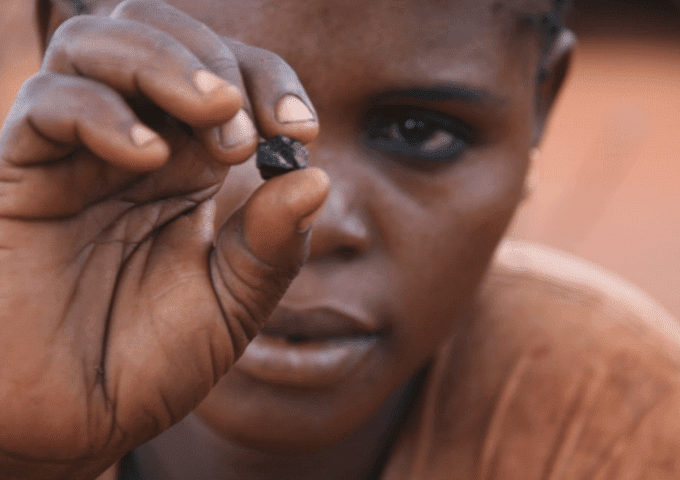
  • Featured photo: Courtesy of IGF:https://www.igfmining.org/four-ways-empower-women-artisanal-small-scale-mining/

The mining sector has mostly been male dominated and has had a differential impact on how women have contributed and benefitted from the sector. Women in mining face multiple challenges including ownership to mining licenses, gender-based discrimination and earn less value from mining.   Moreover, women have been traditionally the artisanal miners and dealers of what were considered less value minerals such as copper, gemstones and pearls. The global shift of interest towards cleaner energy has put a different demand on critical or transitional minerals such as tin, tungsten, has generated a new wave and venture by the rich into new territories, previously held by women and potentially exacerbating the problems that they already faced. (HakiRasilimali, 2021). There is already a rush by mining companies to take over land and acquire new licenses over land previously utilised by artisanal women.  This shift could potentially lead to further inequalities and jeopardies the livelihoods of women in the sector (Pact World,2023).

This subject is essential at this point in time as it encourages governments to re-look into the state of women in critical minerals and how the new global shifts in the mining sector provide a different trajectory to small scale artisanal women miners in particular. Moreover, it is important because mining and transaction of critical/ transition minerals will be the ultimate development agenda of the next 30 years and is bound to affect Tanzania’s mineral governance landscape for the next foreseeable future (Kulaba,2022). Yet lopsided development without women, has always proven to be stagnant and unjust.

As Tanzania navigates the complexities of the energy transition, prioritizing gender inclusiveness in the mining sector will not only benefit women but also contribute to sustainable economic growth and development (BMZ, 2023).

 What are Transitional Minerals

 Critical, Green or Transitional Minerals are minerals that are considered vital in the support of the technology and industrial development required to support the global transition to clean energy. These minerals include but not limited to graphite, lithium, cobalt, copper, tungsten, tantalum etc. By virtue of their properties, these are slightly distinct from other conventional minerals such as gold and diamonds. According to global mining and energy reports the demand for  critical green transition minerals will surge by many folds in the next decade as the global demand and countries race up towards reaching the Paris Agreement targets of Net Zero by 2050.  Already Transition mineral rich countries such as the DRC, Zambia and Tanzania are experiencing a boom in global demand for mining licenses and opportunities for new investment.  While this surge represents an opportunity for mineral rich countries, there is a likely risk that the benefits from this critical/ transition minerals booms could by pass women artisanal miners.

The intersection between Transitional Minerals and negative Gender biases

The mining sector has long been awash with negative gender biases, cultural norms, regulatory, systemic, structural and physical barriers towards women. Mining is considered a man’s task, hard and hazardous for women. Women by their physiological nature are not considered fit to enter tinny deep underground mining pits to extract minerals. In many African mining societies, it is culturally believed that minerals will disappear if women appear on the mining sites or enter the mining pits. Some studies (Kondo 2023) have shown that women have been forbidden to enter mines, that they themselves own for ‘safety’ concerns by local officials.

While some women groups have gone on to challenge these norms and participate in mining, their degree of participation may nevertheless be limited. Norms around domestic roles in the home, for instance, mean that while men can focus solely on mining, women must first complete chores in the home and agricultural activities before participating in mining activities, which limits their earning capacity and career progression. Women also tend to be less mobile, restricted to selling their minerals within mining areas where prices are lower, unlike men who sell their minerals beyond the mining area (Buss et al., 2017).

Moreover, the current legal and policy framework governing the extractive sector has not fully untangled these barriers and does not guarantee effective participation of women in the mining sector (Majamba ,2020). As a result, women have consistently played the less visible roles and are found towards the tail end of the extractives value chain occupying roles such as those of administrative support staff, informal laborers for food supply, sexual entertainment, cleaning services and those that are closest to extracting are artisanal miners.

Women constitute about 40-50% of Artisanal miners in Sub-Sahara Africa (Pact World, 2023); and dominantly involved in extracting minerals that were previously considered ‘less value minerals’ such as salt gemstones, pearls, iron, cobalt, copper, tin, tungsten and tantalum.

In brief, despite their numbers, women neither control ownership nor value of the mining sector. Without addressing these challenges, the emerging boom in Transition Minerals could reinforce the already existing parochial and restrictive barriers that hinder women in the mining sector, keeping women in abeyance from enjoying the economic benefits that come with transition minerals and mining generally for yet the next decades.

Despite their numbers and potential economic multiplier effects, women only own around 1% of all mining licenses and 6% of artisanal mining licenses in Tanzania. This must be a cause for alarm

Do existent shifts within the mining sector bring a different trajectory to women and artisanal miners?

The global agenda and discussions to mitigate negative effects of Climate Change and keeping global warming under 1.5 degree has brought a major shift towards energy transition, changed the mining landscape and upscaled the role of critical/green or transition minerals in Mining and development global policy discussions.

The shift provides both opportunities and risks not only to specific transition mineral rich countries but to women artisanal miners in particular (Policy Forum, 2022). Informed by the Paris Agreement Cop 21 adopted in 2015, the shift has significantly changed the global demand tending towards cleaner energy where critical minerals are needed as the raw materials. Critical minerals which are also called green minerals contribute to reducing unclean emissions for renewable technologies and are very essential for functioning of modern economies, technologies and industries including electronics, renewable energy, automobiles, aerospace and defense (BMZ,2023).

Moreover, the shift to critical minerals signifies a major change in global demand in minerals by super powers, rushing to secure critical supply chains and quantities needed to drive their clean energy industrial development and to secure their energy and strategic security needs.

For example, the demand for graphite and lithium has surged and the value for copper will increase for the next years to come. While this may be an opportunity, there is a risk that the developed countries are potentially bound to benefit more than supplier countries such as Tanzania.

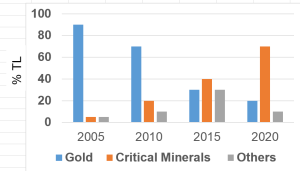
According to the Geological Survey of Tanzania and Mineral scoping reports (NRGI 2022) , Tanzania has  close to 24 documented Critical Minerals  occurrences and has witnessed a boom in new mining licenses. Over 50% of new mining licences issued between 2015 and 2020 targeted critical minerals. Tanzania has recorded new investments in Nickel and Graphite and exploration for large scale mining of Tungstein and Tantalum are underway. The government has placed attracting new investment in the critical minerals sector at the centre of its strategic investment drive for the next five years. A new or revised mining policy could be coming soon.

Figure 1: Tanzania Critical Minerals Exploration boom 2005-2020 (%TL = percentage of the total number of exploration licenses issued per annum) (Source: Tanzania Mining Commission and NRGI-Tanzania Scoping Study Report 2022)

With the challenges already highlighted above, the new shift will not necessarily bring new unique challenges to artisanal small-scale miners and women in particular, however, on the more optimistic side, with increase in Foreign Direct Investment (FDI) can result into better labor market outcomes in the mining sector, infrastructural investment which will enable women and other ASMs to gain better access to market opportunities.

However, pertinent policy questions remain and solutions must be provided. For example, what specific changes in labor dimensions (e.g wages, decency in employment) are more favorable for women? What specific infrastructural needs are more specific and useful to women? And what do market opportunities look like exactly to women? This needs further dissection so as to cater them accordingly. With formalization of ASMs already underway, there might be a greater pressure by investors to ensure formalized ASMs also have access to legal protection against various forms of violations and more opportunities for skills development that is relevant to the sector. What specific skills distinct from male artisanal miners are needed for women? Being able to answer these questions intentionally would enable a more gendered impact to the envisaged developments without assumptions that positive effects would automatically trickle down to women.

With rising attention to responsible sourcing of critical minerals, there may be more attention to ensuring gender and social inclusion in the sector with standards more heightened. Economic empowerment is another potential area through which gender mainstreaming initiatives potential to the sector could be adopted. This may take a form of setting up women’s cooperatives, offering grants and expanding access to financial services to support women’s entrepreneurship in mining related engagements such as processing equipment(s).

A potential area for gender mainstreaming in mining is implementing mechanisms to support women in caring for their children after returning from maternity leave while working full-time in mining areas. For example, a study in Australia found that the proportion of women in the mining workforce was higher among those under 30 but declined significantly with age. This drop was partly attributed to the lack of a supportive environment, such as inadequate onsite childcare and family support systems (Weldegiorgis, 2022).

While Tanzania will have to balance between this development imperative and Climate Change obligations further risks on environmental, and local populations still remain detrimental. The intersection of women mining and energy transition needs a bigger attention and warrants to be assessed to ascertain specific economic opportunities, challenges and what the overall shift means to artisanal women.

Gaps and risks for missed opportunity

With such spurring potentials, come possible risks too. Most of ASMs and women who have been engaged in mining were operating without formal licenses on lands. Expansion of investment to critical minerals means further displacement by largescale companies where licenses might be granted to larger better resourced companies. This might present a larger land competition and worsen the economic situation of ASMs and poor women in the sector.

Technological divide between smaller and larger mining companies might further exacerbate the marginalization of small-scale miners and women as mining of critical minerals requires higher capital investment and advanced technology.

Environmental and health risks arising from large scale mining operations may cause further impacts on communities leaving women and poor artisanal miners prone to health risks due to their vulnerability and higher dependency on natural resources for livelihoods.

Last but not least, if larger inclusion polices are not carefully inculcated, gender inequalities in the mining sector may be furthered resulting in lesser opportunities for women to be in the formal mining and control of the mining sector and the value it provides.

Yet investment and increase of women in the critical minerals sector value chain has significant multiplier effects to the local economy. According the income expenditure studies, given their caregiving roles and geographical immobility limitations women have 10 times more chances of spending their income locally compared to men. In other words, incomes earned by women will create 10 times more economic benefits to the local economy compared to men.

A study in Zambia of some local businesses (groceries, clothing shops and bars) service in Mapatizya ASM sites indicated that on average, over 50 % of their customers were ASM workers and over 50 % of revenues also derived from ASM operators. The estimated percentage of female customers was 10–80 % with an average estimate of 48 % female customers. Local business owners felt that ASM increases cash flow into the local economy through purchase of largely consumer goods such as food, clothing, soap, kerosene and other essential household items. Studies in Tanzania’s mining areas has also confirmed similar patterns. Women also support other livelihood activities, e.g. farming and establishment of small micro-entrepreneurships and village saving and lending schemes.

With a total around 41,000 women constituting about 25-27% of the informal mining and artisanal sector in Tanzania, increasing this number can create up to 10 times multiplier effect on local household incomes, adding economic value and reducing poverty by significant folds.

Policy and Legal governance aspects

The legal and policy framework should provide the framework through which the government creates an enabling environment to enable a functional minerals’ sector along with ensuring women and artisanal miners’ increased involvement in the sector.  Unfortunately, several literatures highlight the existing gaps in the legal and policy framework that hinder the effective involvement of women.

The legal framework governing the Mining Sector in Tanzania only responds partly to the challenges/barriers that women are facing. Despite the affirmative measures to recognize women in the mining sector through facilitating licensing for artisanal and small-scale miners (women included), the legal framework insufficiently supports the effective participation of women in the mining value chain especially in the most challenging areas namely capital skills and marketing (HakiRasirimali,2021).

The Mining Act of 2010 (amended in 2017) as the primary legislation governing Tanzania’s mining sector also manifests some gaps. Some provisions of the Mining Act was relatively more progressive in terms of ensuring gender parity in mining commission is at least 1/3 of the members must be women. The subsequent amendment in 2017 was rather regressive, where it provided that one out of two knowledgeable members should be a woman (Mjamba,2020). The Act does however not provide gender mainstreaming as a strategic tool of advancing women ownership and control of the mining sector.

The Extractive Industries Transparency Act (TEITA) requires for some disclosures on gender, however the extent to which women and ASM matters must discharged is not comprehensive. Moreover, the TEITA law was enacted with a mindset focus on conventional large scale mined minerals such as gold, tanzanite and diamonds. Critical Green Transition Minerals would be a new purview desiring a second look.

The Mining Act 2010 also includes local content requirements to Tanzanian nationals in employment and procurement however these provisions could be strengthened further by emphasizing the minimum threshold for the inclusion of women in jobs, entrepreneurship and service provision.

The Natural Wealth and Resources (Permanent Sovereignty) Act of 2017; the Natural Wealth and Resources Contracts (Review and Re-negotiation of Unconscionable Terms) Act of 2017; and, the Tanzania Extractive Industries (Transparency and Accountability) Act of 2015 are also not actively seeking to promote gender inclusiveness (HakiRasilimali,2020). These Acts have taken a value neutral approach to women and delegated their care to the state and the general public on ownership and governance matters.

In-terms of Land ownership challenge to women, the Tanzania Land Act (1999) and village Land Act (1999) recognize that women’s participation in mining is closely linked to the access and control over land. In this regard, the Act recognize women’s right to own lease and use land for productive purposes, however, customary practices still limit women’s access and control. Future amendments and reforms should consider incorporating gender aspects more explicitly by also mandating companies to adapt more gender sensitive policies and practices,

By loping women together with their male counterparts, the government assumes that these are equal players. It is oblivious of the historical challenges that women have faced and treats them like equal weights in boxing championship. The fact is that they are not. And should never be in this era of transitional minerals moving forward.

Recommendations to mitigate potential risks

  1. Government must review the existing legal framework with a futuristic woman in transition minerals lens. To ensure a more equitable benefit from this important upcoming energy transitional era, the Minerals legal framework would benefit from incorporating more stringent clauses that promote gender inclusiveness to protect women and artisanal miners in the Transition Minerals sector.
  1. Ring fence some mining licenses for critical green transition minerals to women and promote joint ventures between women miners and new transitional mineral companies.
  1. Formalization of mining licenses should take into consideration historical and structural barriers that small scale artisanal and women miners experience by providing access to financial credit and loans.
  1. Secure and strengthen women participation in transition minerals value chain. Economic empowerment interventions should continuously ensure a through gender impact analysis to asses who benefits more in the value chain and who is more affected negatively by the existent mineral operations. This goes along with identifying and providing relevant technical skills necessary for advancing women within the sector, narrowing the wage-gap, and enhancing markets.
  1. Women must deliberately create and government must support safe spaces for women in Transition Minerals. This must include efforts such as strengthening the Women in Mining Associations, formation of Tanzania Women Congress on Climate Change and Energy Transition and establishment of a dedicated National Symposiums and International Women Climate Conferences (COP) to consistently monitor and evaluate and discuss progress made by women in the critical minerals space.
  2. For us at GEPC the formation and operation of a united women front in the form of a Women Congress on Climate Change and Energy Transition offers the only unique opportunity of breaking the barriers that have undermined the different women movements and mining associations, thereby unlocking the potential of women to influence the climate change and transitional minerals spectrum in a more coordinated and reinforced manner. 

  3. Multinational Mining Companies must establish deliberate polices not to encroach or take over mineral licenses previously owned or occupied by women small scale and artisanal miners. Multinational Mining Companies must deliberately seek to partner with women miners as means for increasing women ownership and control of the Mining value Chain.
  1. Furthermore, enforce the law and practice to ensure larger mining companies do not encroach on women owned mining rights, reduce negative environmental impacts to communities and women in particular.

Conclusion

 The global shift toward critical minerals presents   a significant opportunity from critical or transitional mineral rich countries such as Tanzania. It however significantly creates both opportunities and risks for for women in artisanal mining. The booming demand could create an avalanche of new prospectors and investors targeting artisanal mining areas. Without targeted interventions, existing barriers—such as limited access to land, licenses, and financial resources—may further marginalize women in the sector. To ensure inclusive benefit for women in the critical minerals boom, , policy and legal frameworks must deliberately intentional to promote women’s participation through stronger protection, secured access to resources, and skills development. By addressing these challenges, Tanzania and other supplier countries can empower women artisanal miners and foster a more equitable and sustainable transition minerals sector. The vagaries of climate injustice can be addressed, the tainted history of the mining sector reclaimed and women catapulted into a better green future.

 References

BMZ. (2023). Raw materials for energy transitionhttps://rue.bmz.de/rue-en/releases/157362-157362

  1. Buss, B. Rutherford, J. Hinton, et al. Gender and Artisanal and SmallScale Mining in Central and East Africa: Barriers and Benefits (2017), GrOW Working Paper No. 2
  2. Onditi. Gender Inequalities in Africa’s Mining Policies: A Study of Inequalities, Resource Conflict and Sustainability, Springer, Singapore (2022)

HakiRasilimali. (2021). Engendering the mining sector: To what extent are women benefiting or losing out on revenue management? https://www.hakirasilimali.or.tz/wp-content/uploads/2021/09/Engendering-the-Mining-Sector-in-Tanzania.pdf

Kondo, H. (2023) An exclusive look at Tanzanian women in mining xxxxxxxxxx. https://www.sciencedirect.com/science/article/pii/S2214790X24000595

Majamba, H. I. (2020). The gender gap in Tanzania’s mining sector. Tanzania Journal of Development Studies, 18(1), 29-40.

Pact World. (2023). Artisanal miners: A hidden but critical force in the global economyhttps://www.pactworld.org/blog/artisanal-miners-hidden-critical-force-global-economy

Policy Forum. (2022). Critical minerals and energy transition in Tanzania: A new dance, maybe?https://www.policyforum-tz.org/blog/2022-06-14/critical-minerals-and-energy-transition-tanzania-new-dance-maybe

The Citizen. (2023). How to bridge the gender gap in mininghttps://www.thecitizen.co.tz/tanzania/magazines/woman/how-to-bridge-gender-gap-in-mining-4549718

United Republic of Tanzania Ministry of Minerals. (2024). Transforming Tanzania’s mining sector with strategic minerals on cardshttps://www.madini.go.tz/page/e8a4201d-286f-4409-9db0-719311652336

Weldegiorgis, F (2022). Women and the Mine of the Future: A gendered analysis of the Employment and Skills in the Large-Scale Mining Sector -Australia


Left Behind in Climate Change and Justice: Social Economic Impact of Climate Change on Indigenous Communities: A case of Hadzabe Indigenous people of Tanzania

A lot of climate change coverage and advocacy in defense of indigenous communities is largely focused on other parts of the world such as the Amazonian and Andean communities yet little attention is given to African indigenous communities. Without immediate action, we warn, the Hadzabe livelihoods and communities could gradually be wiped into extinction.

Author: Eva Kihupi, Junior Associate, Governance and Economic Policy Center

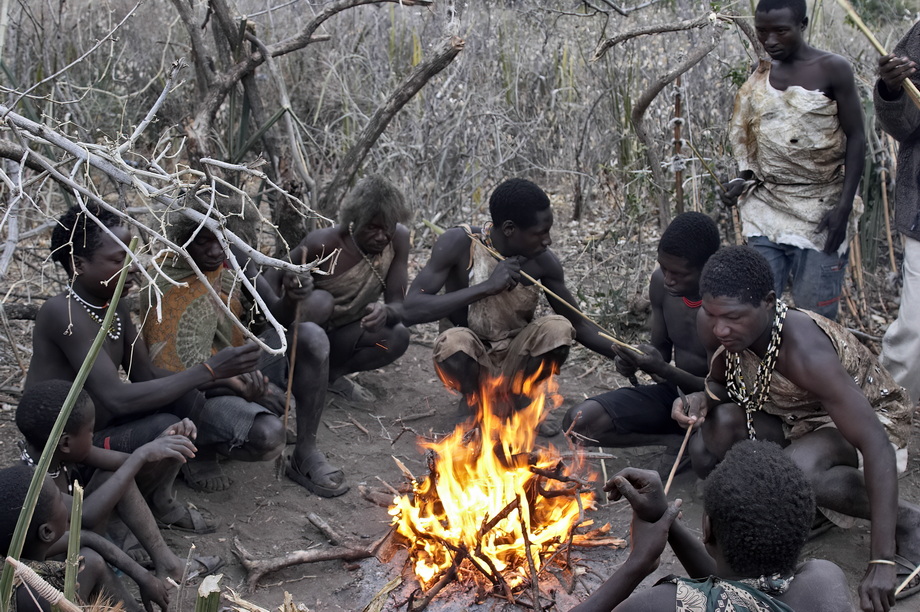
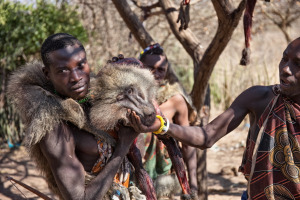
(Featured photos sourced from: Africa 101 Last Tribes online website-https://www.101lasttribes.com/tribes/hadzabe.html)

1.0 Introduction to Climate Change and Indigenous Communities

Africa has a lot of indigenous groups critically exposed to the dangers of climate change with little support. These constitute the left behind in climate governance and the quest for climate Justice. This short analytical study and brief highlights the relevance of taking action to mitigate the problems created by climate change on African indigenous communities, with a focus case on the Hadzabe indigenous communities of Tanzania.  

Amidst a world transformed by climate’s embrace, Indigenous communities bear the deepest scars. Their ancestral lands, rich in spirit, face unprecedented challenges. In their resilience lies a profound wisdom, urging us to unite for a future where all thrive in harmony. 

Current studies show a positive correlative evidence of climate change’s impacts on increased temperatures and declining biodiversity in sensitive nature ecosystems. This makes indigenous groups the first group to be directly affected and more disadvantaged by the negative impacts of climate change due to their direct reliance on the natural environment. Moreover, the impacts of climate change are more severe, long lasting, socially disruptive on indigenous communities than other population groupings.

According to the United Nations “Indigenous communities, peoples and nations are those which, having a historical continuity with pre-invasion and pre-colonial societies that developed on their territories, consider themselves distinct from other sectors of the societies now prevailing on those territories, or parts of them.

Indigenous people are therefore distinct social and cultural groups that share collective ancestral ties to the lands and natural resources where they live and occupy.  By nature, the indigenous people are heavily reliant on their natural environment and local ecosystems for livelihoods and survival.

The UN further estimates that the total net impact of climate change on indigenous communities is in billions of dollars and intergenerational. Despite being the least polluters, the indigenous communities are paying heavily for the climate change crimes and damages that they never caused. Their lands, dwellings, livelihoods and cultures are being disrupted and wiped out. Their future generations may never exist or even live to enjoy their cultural heritage.

While the impacts of climate change on indigenous communities are almost similar, a lot of global climate change coverage and advocacy in defense of indigenous communities is largely focused on other parts of the world such as the Amazonian, Andean and pacific communities.

Little attention is given to African indigenous communities. Yet Africa has a lot of indigenous groups critically exposed to the dangers of climate change with little support. In our assessment, these constitute the left behind in climate governance and the quest for climate Justice.

2.0 Why Indigenous Communities Matter in Climate Change Justice

Indigenous peoples comprise less than five percent of the global population but protect more than 80 percent of its biodiversity. Indigenous people play a great importance in climate solutions alongside their need to have access to resources[1].

When the rights of Indigenous peoples are recognized, secured, and protected, rates of deforestation tend to be lower and carbon stocks tend to be higher than in forests managed by other actors. Secure rights for community forest guardians can also improve ecosystem integrity, protect biodiversity, and enhance public health

Climate change exacerbates the difficulties already faced by indigenous communities.  This includes social and economic marginalization, loss of ancestral land for hunting, gathering and water resources for livelihood. Encroachment from external actors aggravating, human rights violations and discrimination based on cultural differences. 

By addressing the critically climate change problems and concerns facing indigenous communities equally, governments and the world can strike a double win of achieving long lasting solutions to climate change and at the same time contributing to securing the unique cultural diversity and livelihoods of indigenous communities for future generations.

3.0 Climate Change and the Hadzabe People of Tanzania

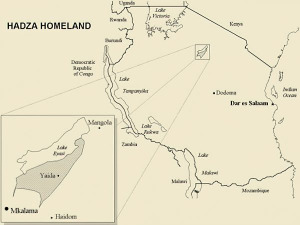
Hadzabe Homeland Map: Source- Africa 101 Last Tribes

The Hadzabe people reside in a 4000 km2 area around the shores of Lake Eyasi in Northern Tanzania, East Africa. The total small population size of approximately 1000 to 2,000 individuals, has shown no major disruption during the past 100 years. According to the 2015 National Census report the Hadzabes range between 1,200 to 1,500 but this number has been dropping.

Only around 150 to 200 individuals of these, however, currently practice a predominantly hunting and gathering way of life, meaning that the bulk of their diet is derived from wild plant foods and game animals.  Because of climate change related factors, many have been either displaced or forced to abandon their ancestral lands and culture and escaped to urban centers in search for better livelihoods.

The Hadzabe are more prone to the impacts of climate change than any other community because they are very highly dependent on the environment and climate compared to other social groupings in Tanzania.

Over the years, the Hadzabe’s have been facing the vagaries of climate change head-on and yet very little efforts are made to highlight their plight and address the climate change risks that they face.  The risks are socio-economic, health and cultural in nature yet have serious human rights and justice violations connotations that are silently overlooked.

Their livelihood is entwined with the climatic environment where they live, and therefore it is important to have appropriate means to tackle the impacts of climate change and its adverse effects on these indigenous people. 

 Environmental degradation and livelihoods

Firstly, the rising temperatures and extended droughts have resulted in a loss of vegetation and negatively impacted gathering and hunting activities undertaken by the Hadzabe people. Their hunting and eating habits have changed as they now have to turn to unconventional hunting methods and eating of endangered animal such as monkeys, baboons and rare bird species to compensate for the dwindling plant and animal species that previously provided food.  Increasingly the Hadzabe are gradually becoming a danger to the animals and an ecosystem that they protected for many generations earlier.
 Health and morbidity risks

Moreover, the health of the Hadzabe indigenous people is deteriorating as they no longer get their livelihood from nature.  The Hadzabe’s are very well known to feed on meat from wild game, honey, and plants, including tubers, berries, and baobab fruit[1].  For the Hadzabe, the phrase “food is medicine” is applicable and yet the increased climate impacts like heat waves, storms and flash floods have wiped out their food sustenance. Because of climate change, the flower bearing trees are rare and the bees are dying or migrating to distant places in search for green forest cover.

The already inadequate access to health facilities such as hospitals amidst declining immunity has caused more danger for the indigenous people who live in the wilderness and have to roam deeper in search for food.  According to medical reports from the nearest medical facilities such as the Haydom Lutheran Hospital, the morbidity and mortality rates amongst this small Hadzabe community in Yaedachin Valley has increased.

The level of alcoholism and substance abuse has increased as they look for alternative ways to survive the harsh living conditions in a changing natural environment. The leading causes of death are malaria, respiratory diseases, anemia and cardio-circulatory disease and maternal mortality rates amongst the women and children.[2]
Limited supportive infrastructure, social services and opportunity

Furthermore, lack of supportive social infrastructure such as clean water sources have increased vulnerability to the negative impacts of climate change. The water streams have dried up and the few surviving are shared with wild animals, increasing the risks of contamination and disease.  Women and children have to walk long distances in search of water and this has disrupted their traditional family settings, learning and increased to exposure to gender-based violence.

 Enhanced climate induced emergencies affecting for Hadzabe

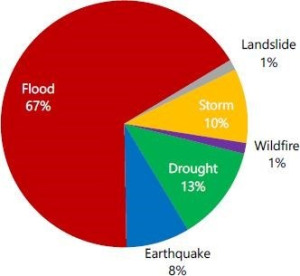
Figure 2: Percentage of Natural Resource disasters from 1980-2022 in Northern part of Tanzania

The increased droughts and erratic rainfalls have increased vulnerability and occurrence of natural climate driven disasters such as flush floods affecting the Yaedachini Valley where the Hadzabe live. According to the Tanzania Prevalence of Natural Disasters Report (1980-2022), Northern Tanzania now suffers from recurrent floods and droughts, and the frequency (and severity) of events has been increasing. 

The adjacent pie chart shows the percent share by type of natural disasters recorded in Northern Tanzania between 1980-2022. According to this statistics floods and drought account for more than 71% of the total disasters recorded. This proves that the impacts of climate change are affecting the drier part of Northern Tanzania, where the Hadzabe live more than any other parts of the Country.

The Hadzabes live in Yaedachini Valley on the floors of the Eastern Rift Valley Escarpments located in Babati, Hanang, Haydom, Mbulu districts corridor of Manyara region which have become more susceptible to drought and flash floods.

The recent examples of enhanced climate induced emergencies were the flash floods and mudslides which affected Babati and Mbulu district in 2023 killing hundreds and living thousands homeless[1].  During these last flash storms and floods, it is estimated that at least 60% of the Hadzabe dwelling places in the Yaeda valley were affected and many left without food and shelter.   The consequences to their livelihoods were more severe as they are directly more reliant on the natural environment than any of their neighboring social groupings. Yet very little national and global coverage and attention was provided.

The Natural disasters reports from Tanzania’s Prime Minister’s Office confirms, the severity of climate change related disasters such as floods has been increasing in the country. For example, the heavy rains and floods  that occurred in Tanzania between 28th March and 28th April 2024   claimed around 155 lives. This was so far the highest number of flood related deaths ever recorded in the country[2].  The damages were more severe in drought prone regions such as Manyara region. If not addressed therefore, the Hadzabes and other indigenous groups in these disaster-prone areas could be wiped out.

 Climate Injustice implications to the Hadzabe

Further, climate change has significant human rights and justice implications on indigenous groups. The indigenous Hadzabe people are facing numerous injustices and violations of their socio, economic and cultural rights due to climate change. Their socio-economic rights are not guaranteed, and their indigenous lands are not protected, putting them at risk of extinction.  They are also facing threats to their right to food, shelter, and ancestral lands, as they may be forced to leave their traditional lands in search of alternative livelihoods.

Climate induced migration and cultural injustices

The Hadzabe’s culture is being adulterated by new communities such as the cattle keeping and farming Datoga tribes who are moving into Hadzabe lands in search for pasture and new settlement. The numbers of new comers are increasing while their Hadzabe numbers are dwindling, making them increasingly a minority and vulnerable[1]. Their location in hard-to-reach areas and lack of access to education and formal skills has increased their economic marginalization as an indigenous group and limits their opportunities to employment and a better future. 

In the midst of all these, there are critical policy and governance actions that must take and the international community must support to bring the Hadzabe from the behind to the front. From near extinction to future survival.

4.0 Recommendations for action

  1. Tanzania government must recognise Hadzabe as an indigenous group for protection by both national and international mechanisms against climate change and extinction. Despite voting in favor of the UN Declaration of the Rights to Indigenous peoples, Tanzania does not recognize the existence of any indigenous peoples in the country and there is no specific national policy or legislation on indigenous peoples per se. The absence of such makes protection of the Hadzabe with in the ambits of national and international frameworks weak. On the contrary, a number of policies, strategies and programs that are misaligned to the interests of the indigenous peoples in terms of access to land and natural resources, basic social services and justice are continuously being developed, resulting in a deteriorating and increasingly hostile environment for both pastoralists and hunter gatherers[2].   In a recent move in 2022 and 2023, the government relocated hundreds of Masai and Hadzabe families from the Loliondo Ngorongoro area to Tanga, hundreds of kilometers away from the ancestral land[3]. This was to pave way for expansion of private game hunting grounds of a Dubai based firm.  This move was widely condemned by Human and Land rights defense organizations, as reflective of the risks that indigenous groups face in Tanzania. Despite global condemnations, the government did not change its decision.
  1. Tanzania government must establish a dedicated fund towards climate change mitigation and adaptation measures targeting the Hadzabe. The Tanzanian Government and parliament must allocate a special vote in its national budget to cater for climate change mitigation, adaptation and protection of indigenous communities at frontline of climate change. While the government funds climate change and disaster related activities through line Ministries, Departments and Agencies such as the Prime Minister’s Office, the Vice President’s Office- Environment, Ministry of Tourism and Natural resources etc., it is evident that such funding lines can be conflated and blurred due to over competing priorities. The net consequences have been that less dedicated funding is reaching the extremely vulnerable and left behind in climate change such as the Hadzabe who desperately need it for survival. Tanzania is yet to establish a fully-fledged National Climate Fund and the current climate change related funding has been largely foreign sourced and quite unsustainable[4]
  1. The UN and other international agencies must dedicate percentage of the Loss and Damage Fund to cater for indigenous groups including the Hadzabe in Tanzania. During the COP27 in Egypt, the United Nations committed to setting up a climate loss and damage fund. While as the details of this Fund are still unclear, the framework for access of these funds is still being developed. This provides an opportunity for putting guard rails as to how indigenous groups such as the Hadzabe will benefit. Reports from climate champions indicate that a very small fraction of funding is currently directed towards Indigenous Peoples and Local Communities (IPLC) for securing land rights and managing forests in tropical regions. Over the past decade, a minimal portion of the resources designated to support IPLC’s land rights and forest management actually involved an IPLC organization. This accounts for an insignificant share of the overall climate change assistance. Additionally, from the financial commitments made during the COP26 IPLC Forest Tenure Pledge for the period between 2021 and 2025, only a minor percentage of those funds has been utilized[5].
  1. Tanzania government must provide adequate infrastructure and social services like health, water services, and education for future sustainability. The Tanzanian government in collaboration with other state actors or non-state actors such as CSO, community-based organization must provide supportive social-economic infrastructure[6] such as wells, boreholes, and water tanks to the Hadzabe communities. This will help provide the Hadzabe with access to clean and reliable sources of water and opportunities for learning and acquiring new skills to confront climate change. Alternative means of food must be equally provided to complement the dwindling wild sources.  
  1. Scale up indigenous conservation and tame nugatory land grabbing of indigenous lands. The government ministries and departments responsible for environment, conservation and lands must address the persistent land grabbing and encroachment on ecosystems that support indigenous groups such as the Hadzabe. Since the indigenous people heavily rely on the natural environment to sustain themselves it must be a priority to preserve and even promote indigenous conservation of their natural environment. Proclaiming more places as conversation areas and restricting deforestation or intrusion and allowing access for the indigenous communities to live and enjoy the natural habitats, such as Yaeda Chini valley will be a game changer in ensuring continued existence of the Hadzabe[7].
  1. Create space at the table for the Hadzabe, to directly speak and advocate for their interests at both national and international levels. Creating forums and opportunities for the Hadzabe to sit at the table as active participants in national climate change dialogues spaces would help raise awareness of the magnitude of their plight at national level. Having the Hadzabe constitute part of the National Delegations to international forums like the forthcoming COPs, is essential in highlighting their concerns at international level and creating international consensus. Direct representation in forums like parliament and the United Nations would amplify their voices and influence suitably tailor-made solutions to their needs. This will empower the Hadzabe to advocate for effective climate change mitigation policies and support based on their firsthand experiences.

 References and notes

  1. IMF (2023), ‘Building Resilience to Climate Change’. Country Report No 23/154. https://doi.org/10.5089/9798400241772.002
  2. The Water Supply and Sanitation Act, 2019 (s. 4). Available at https://tanzlii.org/akn/tz/act/2019/5/eng@2019-02-22
  3. Khatibu, F. A., Msami, J., Mchallo, I and Gontako, J (2022, June). ‘Climate Finance Availability and Access in Tanzania’ (Issue Brief No 04/2022) :https://www.repoa.or.tz
  4. https://education.nationalgeographic.org/resource/thehadzaoftanzania/
  5. 29 No. 1 (2022): ‘Tanzanian Journal of Population Studies and Development’. https://doi.org/10.56279/tjpsd.v29i1
  6. Laltaika, E. & Parmello, S. (2012). ‘International Work Group for Indigenous Affairs: Indigenous Peoples in Tanzania’. https://www.iwgia.org/en/tanzania/897-update-2011-tanzania
  7. Race to Resilience. ‘Indigenous Peoples and The Race to Secure Self-Determined Finance’: https://climatechampions.unfccc.int/system/indigenous-peoples-finance/
  8. National Geographic, (2023): ‘Evolution of Diet – The Hadza of Tanzania’. https://education.nationalgeographic.org/resource/the-hadza-of-tanzania/
  9. National Library of Medicine (2018). ‘Cause-specific mortality patterns among hospital deaths in Tanzania, 2006-2015’. https://doi.org/10.1371%2Fjournal.pone.0205833
  10. Association of Member Episcopal Conferences in Eastern Africa (2023). ‘TANZANIA: TEC Sends Humanitarian Aid and Condolences after Deadly Mudslide Hits Hanang Manyara’. https://communications.amecea.org/index.php/2023/12/08/tanzania-tec-sends-humanitarian-aid-and-condolences-after-deadly-mudslide-hits-hanang-manyara/
  11. Lasteck, A., (2024). ‘Tanzania floods and landslides kill more than 150’. BBC News 25 April https://www.bbc.com/news/world-africa-68896454
  12. Karashani, B (2022). ‘Tanzania spends millions to move, build new life in Tanga for Loliondo Maasai’ The East African. https://www.theeastafrican.co.ke/tea/news/east-africa/tanzania-relocates-loliondo-maasai-to-tanga-3860046
  13. Dave, ‘The Hadzabe of the Yaeda Valley’ A Step Ahead. https://www.astepahead.es/the-hadzabe-of-the-yaeda-valley/


[1] Tanzanian Journal of Population Studies and Development, Vol. 29 No. 1, 2022: 44-64

[2] https://www.iwgia.org/en/tanzania/897update2011tanzania  

[3] https://www.theeastafrican.co.ke/tea/news/east-africa/tanzania-relocates-loliondo-maasai-to-tanga-3860046


[4] https://www.repoa.or.tz/wp-content/uploads/2022/10/Climate-finance-availability-and-access-in-Tanzania-.pdf

[5] https://climatechampions.unfccc.int/system/indigenous-peoples-finance/

[6] Section 23 of the water supply and sanitation act, 2019 

[7] https://www.astepahead.es/thehadzabeoftheyaedavalley/  

[1]https://communications.amecea.org/index.php/2023/12/08/tanzania-tec-sends-humanitarian-aid-and-condolences-after-deadly-mudslide-hits-hanang-manyara/

[2] https://www.bbc.com/news/world-africa-68896454

[1] https://education.nationalgeographic.org/resource/the-hadza-of-tanzania/

[2] https://www.ncbi.nlm.nih.gov/pmc/articles/PMC6209209/  


[1] https://climatechampions.unfccc.int/system/indigenous-peoples-finance/


The Nexus of Climate Change and Energy Transition on women in Tanzania: Why and how government must address gaps

While Tanzania has made some progress in addressing climate change, significant policy and governance gaps to leverage women power still exist. Addressing these gaps requires putting in place a Climate Change policy, strengthening institutional capacity, enhancing coordination, improving legal frameworks, promoting transparency, and ensuring women inclusive decision-making processes backed with sustainable funding. An organ similar to a National Women in Climate Change and Energy Council, could be an ideal vehicle for channeling and championing women participation in climate change and energy transition in Tanzania. Conducting periodic women congresses on Climate Change, Gender and Energy Transition would propel this even further.

Author(s):  Gloria Shechambo, Researcher and Moses Kulaba,  Governance and Economic Policy Centre

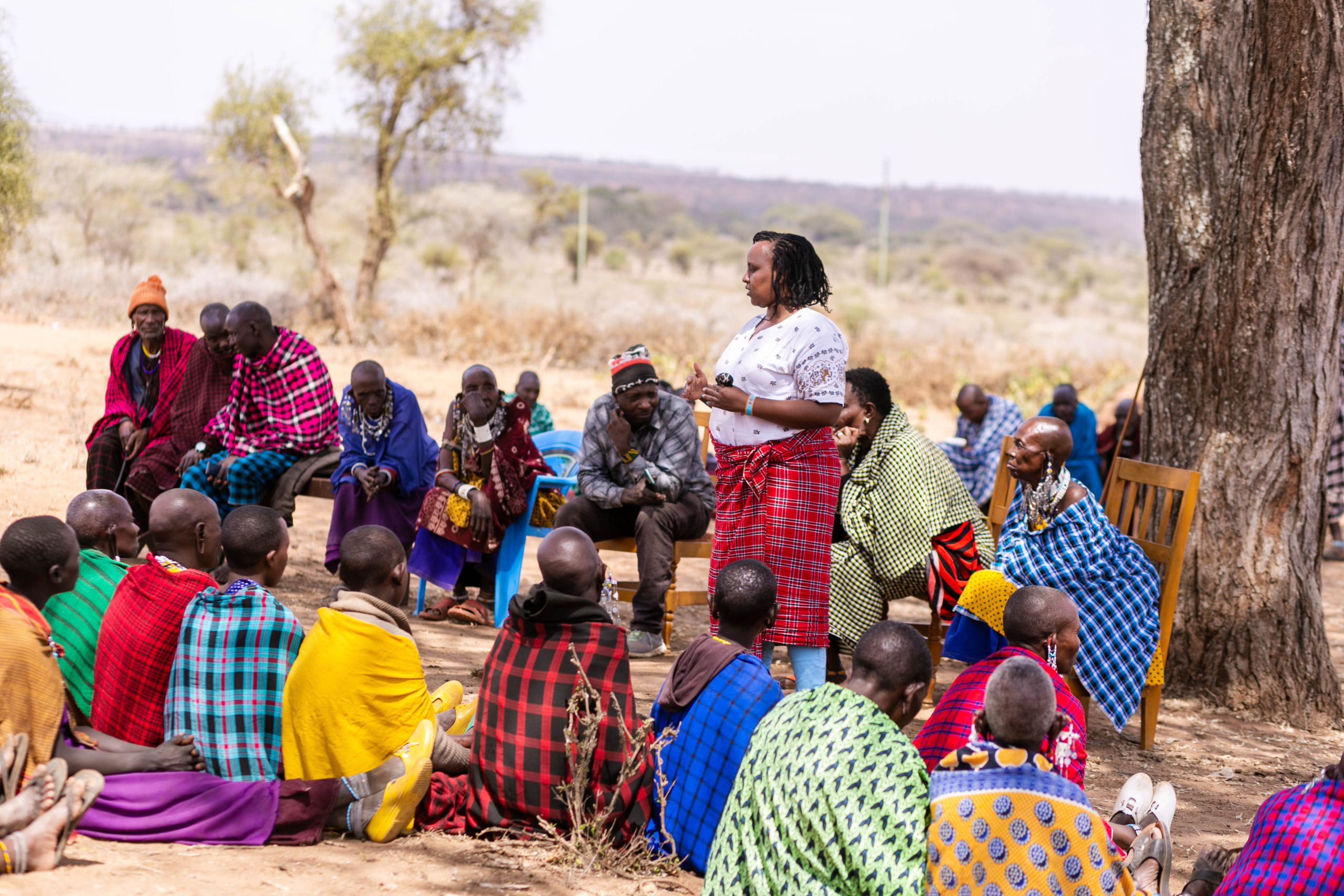
Featured Photo: Courtesy of Pastoral Women Council, Tanzania (Africa Climate Adaptation Centre)

As covered in  the first part of this analytical brief, Tanzania has made some progress in addressing climate change by putting in place a number of frameworks. While these frameworks provide a foundation, more targeted policies integrating gender considerations are essential to promote women’s participation and leadership of climate change and energy justice driven initiatives. To date, significant governance gaps still undermine efforts to address climate change and energy concerns in Tanzania.           

 In Tanzania, the main policy and governance gap is that the Country does not have a single comprehensive Climate Change Policy to guide the governance of the sector. As a consequence there are significant coordination and risks for duplicated efforts spread across different documents and institutions, with little synergy.

Moreover issues of  women concern in climate change and energy are not tackled as an independent urgent contemporary issue but has been mainstreamed in this labyrinth of policy and regulation framework.

The problem with this mainstreaming approach is that when a critical issue such as gender is mainstreamed, it fades into depth of elaborate policy texts and loses the core urgency that it deserves. In fact, instead of getting mainstreamed, the issue gets out streamed and gradually loses core attention.

For example, while the National Climate Change Response Strategy 2023 is keen on Mainstreaming Gender, it does not provide a distinct organ through which women can channel their opinions on matters related to climate change and energy. Similarly, the National Strategy for Mainstreaming Gender in Climate Change (NSMGCC) is weak in this area. A part from providing guidance on how gender considerations should be made in policies and budgeting matters, the document does not create a distinct forum for women.  

The National Energy Policy 2015 (NEP 2015) is awkwardly silent on gender in energy sector and therefore does not provide and pivots on which a compressive engagement of women in energy can be built.  The LPG promotion plan and the National Gas Utilisation Master Plan have largely remained an implemented and the recent clean cooking gas initiative is an attempt to put this into action[1].

The government acknowledges that despite significant progress from the above efforts by the government and other stakeholders, there remain needs for increased mainstreaming of gender at all levels of climate change interventions including in policy, programs, strategies and activities using appropriate gender lens and mainstreaming instruments. Approaches such as gender analysis, gender audit and gender budgeting using gender disaggregated data in M+E and reporting on all climate change responses should be enhanced[2].

Moreover, the financing of women led and targeted climate change and just energy transition initiatives has been low and unsustainable. While the Clean Cooking Initiative in Tanzania is commendable, the downside of this is that it is largely donor funded, private sector driven and thus its long-term funding and wide scale affordability is largely unguaranteed.

Tanzania has set a target of achieving 50% renewable energy generation by 2030, however, budgetary allocations to support climate change mitigation and adaptation have generally focused on sectors like agriculture, water, and forestry, which are highly vulnerable to climate change. However, overall allocation specifically targeting climate change mitigation and adaptation remains relatively low compared to the needs identified in national strategies. According to a Research Report by REPOA, climate financing sources do not meet the expectations as by 2020 a total of TZS 24.7 trillion equivalent to USD 10.7 million were mobilized during FYDP II, which was only 3.6% of the targeted amount[3]

According to Africa Enterprise Foundation (AEF), the Tanzania Clean Cooking Project (TCCP) is a US$3.75 million three-year project, funded largely by the Government of Sweden, that aims to catalyse the clean cooking sector through enhanced private sector participation. The project will provide matching grant financing and technical assistance to small and growing businesses working in clean cooking. The financing aims to de-risk companies to venture into underserved markets and enhance the affordability and accessibility of clean cooking solutions for at least 60,000 beneficiary households.

By requiring or expecting the poor women in rural areas to switch from free firewood and biomass to paid cooking gas (LPG), the initiative places poor women directly into the market place driven energy cash economy which may be expensive and unsustainable to afford. According to the Ministry of energy, so far only 50% of rural women enrolled on to this initiative have continued[4]. For this initiative to succeed, the issues of reduced cost, increased household incomes and sustainability of supply must be addressed.

Generally, essential milestones need to be covered. These include lack of a comprehensive policy  coordination fragmentation, limited institutional capacity, inadequate or duplicative legal frameworks, weak enforcement mechanisms, and insufficient participation of women in designing, championing and leading initiatives that affect their welfare (Nachmany, 2018).

Why engaging women in Climate Change and Energy Matters:

Engaging women in climate change and energy transition decision-making processes is crucial and pays dividends. According to the UN and documented evidence in development, empowering women bears lasting solutions and can a be a multiplier factor in addressing climate change and achieving sustainable development.

Women make up nearly half of the agricultural labor force in developing countries. When provided with the same access to resources as men, women can increase their agricultural yields by 20 to 30 percent. This boost in productivity not only improves total agricultural output by 2.5 to 4 percent, but it can also help reduce world hunger by 12 to 17 percent.

Empowering women especially in rural areas in agriculture can also have a positive impact on climate adaptation. By providing appropriate technology and resources, we can promote more sustainable farming and conservation practices. And by reducing poverty, we can help individuals better adapt to the effects of climate change.

When it comes to building climate resilience in communities, involving women is crucial. In fact, the UN reports that communities are more successful in resilience and capacity-building strategies when women are part of the planning process. Moreover, by improving access to clean energy, women death due to toxic fumes and related disease can be reduced by half.

It is therefore essential that climate change mitigation and adaptation strategies adequately take into account women considerations, addressing gender inequality, reduced harms from climate injustice[5] and effective participation at the national and global climate change discussion tables.

Recommendations for engaging women in climate change and energy matters:

 While Tanzania has made some progress in a climate change, significant policy and governance gaps still exist. Addressing these gaps requires strengthening institutional capacity, enhancing coordination, improving legal frameworks, promoting transparency, and ensuring women inclusive decision-making processes backed with sustainable funding. An organ similar to a National Women in Climate Change and Energy Council, could an ideal vehicle for channeling and championing women participation in climate change and energy transition in Tanzania. Conducting periodic women congresses on Climate Change, Gender and Energy Transition would propel this even further.

 Some of our identified and recommended approaches include:

  1. Develop a comprehensive Climate Change Policy for Tanzania to address some of the gaps that exist.  Currently, Tanzania doesn’t have and are fragmented in different  documents such as the National Adaptations Programs, National Climate Response Strategy and the National Strategy for Mainstreaming Gender in Climate Change (NSMGCC). The absence of a comprehensive climate change policy constitutes a huge lacuna that Tanzania must bridge
  2. Creating and convening safe spaces for women dialogue on climate change and energy transition matters is fundamentally urgent. This includes establishing women’s groups, organizing consultations, and ensuring women’s representation in policy dialogues and negotiations at all levels. Women Must talk. It is for this reason that we (GEPC) advocate for a hosting periodic Women National Pan African Congresses on Climate Change and Energy Transition and a Women COP on Climate Change and Energy Transition in the nearest future.
  3. Support and Facilitate Women’s inspired and led participation in Climate Change and Energy transition: This includes encouraging and supporting women’s leadership in climate change and energy sectors by providing mentorship, networking opportunities, and skills development at all levels. In this regard we (GEPC) advocate for establishment of a National Women in Climate Change and Energy Council as a vehicle to advance women concerns and interests in climate change and energy matters. Existing studies support that women’s representation in decision-making bodies, advisory committees, and project management teams is crucial for better resource governance, conservation outcomes, and disaster readiness (Brixi et al., 2022). Moreover, effective participation of women will reduce climate and energy related vulnerability and death by thousands
  4. Promoting Education and Training: Investing in education and training programs to enhance women’s capacity in climate change adaptation, renewable energy technologies, sustainable agriculture, and natural resource management. We advocate for tailored vocational training on climate adaptation and energy transition solutions, workshops on business and enterprise development, and awareness campaigns as essential skills and tools measures to meet women’s specific needs and interests.
  5. Provide access to resources: Government and Private sector must ensure equal and cheap access for women to financial resources, technology, land, and other productive assets necessary for their participation in climate change and energy initiatives. This involves providing dedicated financing lines, affordable microfinance services, facilitating access to clean energy technologies, and promoting resource rights for women. The gaps and vulnerability scores as per current reports (Tanzania Demographic Health Survey and Malaria Indicator Survey TDHS-MIS, 2022) are significantly large and have remained tilted against women.
  6. Promoting and implementation of Gender-Responsive Policies: We advocate for going beyond the integration of gender considerations into climate change and energy policies, programs, and projects. Conducting gender analyses, integration of gender concerns as a distinct feature into project design and implementation are first steps monitoring, evaluating and learning from the gender impacts of interventions and renewed action is essential.
  7. Raising Awareness and Changing Attitudes: Conducting awareness-raising campaigns to emphasize the importance of women’s participation in climate change and energy matters. Challenging stereotypes and social norms that restrict women’s involvement in decision-making processes or limit their access to resources and opportunities is crucial.
  8. Promote Women in Green Entrepreneurship: Encouraging and supporting women entrepreneurs to develop and scale up businesses that promote climate resilience and sustainable energy solutions. Private sector initiatives such as Jasiri Green Bonds is a positive initiative, however the simplicity, affordability and onboarding of more women has to be improved and scaled up purposefully for women. Additionally cheap training, technical assistance, and access to markets must be undertaken to help women establish and grow their enterprises in sectors such as renewable energy, eco-tourism, and sustainable agriculture.
  9. Provide a collaborative and facilitative environment for Civil Society and NGOs to engage: Government, Private Sector and Donors must support, partner and collaborate with Civil Society and NGOs that work on Women and Climate Change and Energy Transition. Over the last years, the civic space and financing for climate rights-based organisations has been constrained.  Research suggests that leveraging on their expertise and networks as allies can enhance women’s engagement in climate change and energy initiatives can deliver more dividends (Nachmany, 2018).

By implementing these strategies and fostering collaboration across sectors, Tanzania can empower women to play a significant role in addressing climate change and driving sustainable energy transitions.

Conclusion:

This policy brief underscores the critical importance of addressing gender disparities in climate change and energy transitions in Tanzania. Both part 1 and 2 of the brief highlights the effects that climate change and energy injustice have on women and the inherent policy, governance and financing gaps that exist in Tanzania’s climate and energy transition space. The brief concludes that  despite the efforts, women are still at the periphery and their active engagement in the current climate change and energy discussions and decision-making processes is imperative to ensure climate change and energy transition interventions are inclusive and effective. By prioritizing gender equality and women’s empowerment, Tanzania can enhance resilience to climate change, address energy injustice, reduce climate change vulnerability and advance sustainable development.

References:

Agora Portal for Parliamentary Development. (n.d.). Climate change, energy, and gender. Retrieved from https://agora-parl.org/resources/aoe/climate-change-energy-and-gender

Brixi, H., Das, J., & Doss, C. (2022). People and planet together: Why women and girls are at the heart of climate action [Blog post]. World Bank Blogs. Retrieved from https://blogs.worldbank.org/en/climatechange/people-and-planet-together-why-women-and-girls-are-heart-climate-action

Energia. (2020). Gender and energy country brief for Tanzania. Retrieved from https://www.energia.org/assets/2021/02/Country-brief-Tanzania_Nov2020_final

Fadhila H.A Khatibu, Razack B. Lokina (2023). A Review of Tanzania’s Fiscal Regime for Climate Action. https://www.repoa.or.tz/wp-content/uploads/2024/03/A-Review-of-Tanzanias-Fiscal-Regime-for-Climate-Action.pdf

Nachmany, M. (2018). Climate change governance in Tanzania: Summary policy brief. Grantham Research Institute on Climate Change and the Environment, London School of Economics and Political Science.

National Climate Change Strategy (2021-2026). Tanzania Government.

National Strategy for Mainstreaming Gender in Climate Change (2023). Tanzania Government.

Tanzania Demographic Health Survey and Malaria Indicator Survey TDHS-MIS. (2022).

UN Women. (n.d.). Fact Sheet: Women, gender equality and climate change. United Nations. Retrieved from https://www.un.org/womenwatch/

UNDP Tanzania. (n.d.). Bridging the gender gap: Empowering women in the agricultural sector. Retrieved from https://www.undp.org/tanzania/news/bridging-gender-gap-empowering-women-agricultural-sector

UNECA. (n.d.). Support for land use planning sees over 2000 women farmers in Tanzania become landowners. Retrieved from https://africa.unwomen.org/en/stories/news/2023/02/support-for-land-use-planning-sees-over-2000-women-farmers-in-tanzania-become-land-owners

[1] https://www.thecitizen.co.tz/tanzania/news/national/roadmap-for-clean-cooking-energy-to-target-rural-masses-3921536

[2] National Climate Change Strategy, 2021-2026

[3] https://www.repoa.or.tz/wp-content/uploads/2024/03/A-Review-of-Tanzanias-Fiscal-Regime-for-Climate-Action.pdf

[4] https://www.thecitizen.co.tz/tanzania/news/national/roadmap-for-clean-cooking-energy-to-target-rural-masses-3921536

[5] https://genderclimatetracker.org/sites/default/files/Resources/Gender-and-the-climate-change-agenda-212.pdf

Analysis of Climate Change and Energy Transition impacts on women in Tanzania: Policy and governance gaps

Climate Change and Energy Transition are pertinent issues in contemporary global development challenge facing the world yet women are still at the periphery. Moreover there is a varied difference in how poor rural versus urban women experience the climate change and energy transition effects. The situation in Tanzania is not different.

Author(s):  Gloria Shechambo, Researcher and Moses Kulaba,  Governance and Economic Policy Centre

Climate Change and Energy Transition are pertinent issues in contemporary global development challenge facing the world yet its impacts on women and their practical engagement have remained nuanced and camouflaged in of volumes of endless winding texts and UN resolutions, with less significant impact. Women are still at the periphery and there is a varied difference in how poor rural versus urban women experience the climate change and energy transition effects .  Despite attempts, the situation in Tanzania is not different and warrants immediate consistent and purposefully intentional attention.

The world is one place yet  climate change and energy transition problems facing women are distinct because of their economic and social vulnerabilities and traditional care giving roles compared to men. 

Because women face a higher level of economic and social vulnerability compared to men, the meta question in climate change and energy transition must not remain how can the world and particularly developing countries be better positioned to be more adaptive, resilient and responsive but rather why is it a concern for women in particular? How and why should poor women be at the center of these discussions? In Tanzania this is even more critical given that women are disproportionately more affected than any other group.

 In fact, and justifiably, the demand for more women engagement in climate change and energy transition is not a feminist ask but a development imperative that must be addressed. 

This policy brief examines the intersection of gender, climate change, and energy transitions in Tanzania, emphasizing the importance of engaging women in bridging the disparities to inclusive actions and successful interventions for sustainable development. The brief highlights the disproportionate impact of climate change and energy-related disasters on women due to their caregiving roles and limited access to resources and efforts in place.

 By prioritizing gender justice and equality, Tanzania can strengthen resilience to climate change, reduce energy injustice gap and advance sustainable development.

Nexus of Climate Change and Energy injustice on women in Tanzania

Women often play key roles in food production and household food security yet climate change and energy significantly impact agriculture and productive sectors in Tanzania. Women, who constitute a substantial portion of the agricultural labor force, face heightened vulnerability to climate-related disasters and energy insecurity due to various social, economic, and cultural factors[1].

UNDP reports that more women than men (67 percent of the country’s total female labor force versus 64 percent of the male labor force) are engaged in agriculture.

Tanzania’s recent Agricultural Transformation Strategy known as Agenda 10/30 emphasizes the role of women in facilitating the sector’s growth to 10% by 2030[2] and thus places women in direct confrontation with the effects of climate change on agriculture and food production.

Additionally, in terms of energy; data from Gender and Energy country briefs for Tanzania indicates that by 2020 only 8.1% of households used clean energy sources and in 92% of households it is merely women who are vested with the responsibility to cook and collect firewood for use and thus affecting their health and time productivity (Energia, 2020). There are wider gender disparities when it comes to the impact of climate change and energy-related disasters in terms of vulnerability, resilience, and adaptation spread across a short and longer term.

Women often face disproportionate health impacts from climate change due to their roles as caregivers and their biological vulnerability. For example, during natural disasters or heatwaves, pregnant women and those with reproductive health issues may face increased risks. 

Both rural and urban women face systemic gender inequalities that limit their access to resources, education, and decision-making processes, exacerbating their vulnerability to climate change impacts. However, it is undeniably also true that poor rural women are more disproportionately affected due to their higher dependency on natural resources, their heavier involvement in agriculture, lower access to clean energy and more limited access to technology and information.  

On the other hand, urban women face more exposure to heat waves and poor air quality; they are more exposed to energy poverty particularly in low-income households; urban women are also more prone to working in sectors that are particularly affected by climate change or the energy transition, such as retail, hospitality, or informal sectors; urban women are also more likely to face affordability reliability and quality issues related to energy services.

Climate change-induced changes such as droughts or floods can impact agricultural productivity, potentially leading to food shortages and malnutrition, which disproportionately affect women and children. Climate-Induced changes can lead to increased burden for women such as traveling longer distances to obtain water for household use in turn causing higher chances of GBV (National Climate Change Strategy, 2021-2026).

Additionally, poor women’s ability to adapt and mitigate climate and energy-related impacts is limited by their limited access to resources such as land (33% women vs 47% men sole land ownership and 25% women vs 30% men joint land ownership)[3] 

Other crucial reasons that place women’s involvement in these discussions high on the agenda include the income disparities between women and men when it comes to dealing with the aftermath of disasters. According to UN Economic Commission for Africa, Women in Tanzania are one and a half times more likely to be unemployed at 12.3 per cent than men at 8.2 per cent with implications for household income disparities[4] (UNECA, n.d.)

Women’s disproportionate position in disastrous situations is fueled by the different gender roles played by women and men, for example in caregiving during and after disasters, collection of household water, and managing household sanitation; underrepresentation of women in decision-making processes related to climate change mitigation and adaptation. Women especially in rural areas experience lower access to information about adaptation technologies, cropping patterns, and weather events.

The net costs of climate change on women are staggeringly high yet the current climate change and energy transition debates and response measures have not adequately augmented, rallied and addressed the significant concerns facing women.

According to UN reports, particularly in developing countries, the consequences of climate change can increase the burden for rural women and girls, for example, causing them to travel further to obtain daily supplies such as firewood and biomass, leaving less time for paid work and potentially exposing them to greater risk to their personal safety[5] Climate change has exacerbated gender violence and injustice against women and drop out of young girls from school in search for water, food water and energy.

Moreover, the constant use of biomass as source of energy for cooking increases exposure to toxic fumes leading to high respiratory, cardiovascular diseases, cancers and death. According to medical reports, Cardiovascular and respiratory diseases were the top two leading cause of women’s deaths in Tanzania with the occurrence of cancerous cardiogenic diseases being more likely in urban women and respiratory diseases being more likely in rural areas due to indoor air pollution. These two accounted for 92.84 and 82.58% of all deaths per 100,000 in 2019, overtaking Maternal and Neonatal disorders. [6]

Pulmonary experts at Muhimbili National Hospital estimate that about 33,000 people, mostly women, die annually in Tanzania due to the use of charcoal, firewood and biomass for cooking[7]

Clearly there is a nexus between climate change, energy and deaths amongst women and that is why it is very important to engage women and consider the gender dimensions of climate change and energy injustice on women from planning interventions to implementation such that interventions address inequalities, are efficient, effective and sustainable.

Existing frameworks or mechanisms for women in climate change and energy in Tanzania

 Tanzania has developed various policies and strategies to address gender issues within climate and energy contexts. Key instruments include among others  the National Climate Change Response Strategy (NCCRS) 2021-2026 and the National Strategy for Mainstreaming Gender in Climate Change (NSMGCC) 2023 with the overall objective of ensuring that gender considerations are mainstreamed into national policies, programs and strategies related to climate change. The government is a signatory to a number of Multilateral Instruments on climate change.

In 2015 the government passed the Tanzania Sustainable Energy for All (SE4All) Action Agenda (2015). The goal of this agenda is to ensure access to modern energy, preferably clean energy; improvement of energy efficiency; and increase share of renewable energy in the global mix. The Government of Tanzania fully embraces the SE4ALL objectives. This includes recognising the fact that access to modern energy services is a necessary precondition for achieving development goals that extend far beyond the energy sector, such as poverty eradication, access to clean water, improved public health and education, women’s empowerment and increase food production. Further, the government passed the LPG promotion plan and the National Gas Utilisation Master Plan, aimed at increasing the use of gas as a clean fuel.

The National Guidelines for Mainstreaming Gender into Climate Change Adaptation-related Policies, Plans, Strategies, Programmes and Budgets (2014) Tanzania has mainstreamed gender into a number of national development frameworks and ratified international and regional gender instruments. Some of these frameworks include the National Development Vision 2025. Moreover, in 2022, the government convened the first national clean cooking conference and in 2024 launched The National Clean Energy Cooking Strategy 2024-2034.   The strategy aims at scale up the use of clean cooking gas as a source of energy.

According to Dr Dotto Biteko, the Deputy Prime Minister and Minister for Energy/ the Ministry of Energy, the government expects that by the year 2034, 80% of Tanzanians will be using clean energy to cook and therefore reducing on the amount of carbon emissions and exposure to toxic fumes by women[8].

Currently, the government is implementing a project funded by the Government of Sweden, to support market-based approaches for clean cooking in the United Republic of Tanzania. This intended to scale up use of  clean cooking gas amongst rural households.

To back this up, during the COP28 in the UAE, President Suluhu Samia Hassan launched the Africa Women Clean Cooking Support Program (AWCCSP. This program encompasses promotion of use of gas cooking stoves and gas cylinders in Africa and Tanzania in particular by fostering energy and policies changes to cater for the earth’s prosperity, will cut carbon emission significantly.  President Samia acknowledges that women and girls bear the brunt of lack of sustainable energy cooking solutions and clean cooking energy is about mitigation, women empowerment and welfare.

Despite these efforts, there are significant policy and governance gaps that exist. In our second part of this brief we will bring you the policy and governance gaps and how government can address them. Keep on the look out and visiting this site for the next part of this brief.