

Sustainable Energy Policy, Regulation and Green Economy finance course 2026-Applications open
Gain skills, Accelerate the Energy Transition in Africa!
Join the Sustainable Energy Policy, Regulation and Green Economy Financing Course to gain the knowledge, tools, and skills to shape policies, drive regulatory reforms, and unlock financing for clean, reliable, and equitable energy. Designed for policymakers, civil society leaders, private sector actors, and finance professionals, this course equips you to tackle climate change, expand energy access, and lead a just and inclusive green economy. Take action today and be part of the transformation powering Africa’s sustainable future.
The GEPC sustainable Energy Policy, Regulation and Green Economy Financing Course Equips policy makers, civil society leaders, private sector stakeholders, and financial professional’s with the knowledge and practical skills to drive Africa’s reduction of energy poverty, transition to clean, reliable , and equitable energy system. Against the backdrop of climate change and persistent energy access challenges, the course addresses critical gaps in policy formulation, regulatory frameworks, advocacy and financing mechanisms.
Participants will gain tools to design and implement sustainable energy policies, promote inclusive governance, mobilise investments for green projects and support a just and resilient energy transition that fosters economic growth, social equity and environmental sustainability.
Course Background and Context
Climate change presents an urgent global challenge, with the most severe impacts disproportionately affecting less developed countries in East Africa and Africa generally. Despite international commitments under the Paris Agreement and subsequent UN Climate Conferences (CoP27 and CoP28), developing countries face significant barriers in accessing technology, finance, and expertise to transition to clean energy. Global climate governance often leaves low-income countries under-resourced and underrepresented, creating complex challenges for equitable and just energy transitions.
In Eastern Africa and Africa generally, policy frameworks and regulatory mechanisms for sustainable energy remain underdeveloped, poorly communicated, and inadequately enforced. This has created critical gaps in governance, technical capacity, and financing, limiting the country’s ability to expand clean energy access, reduce emissions, and achieve its climate commitments. Strengthening national capacity, promoting citizen engagement, and enhancing advocacy for policy reform are therefore essential to support a just and inclusive energy transition.
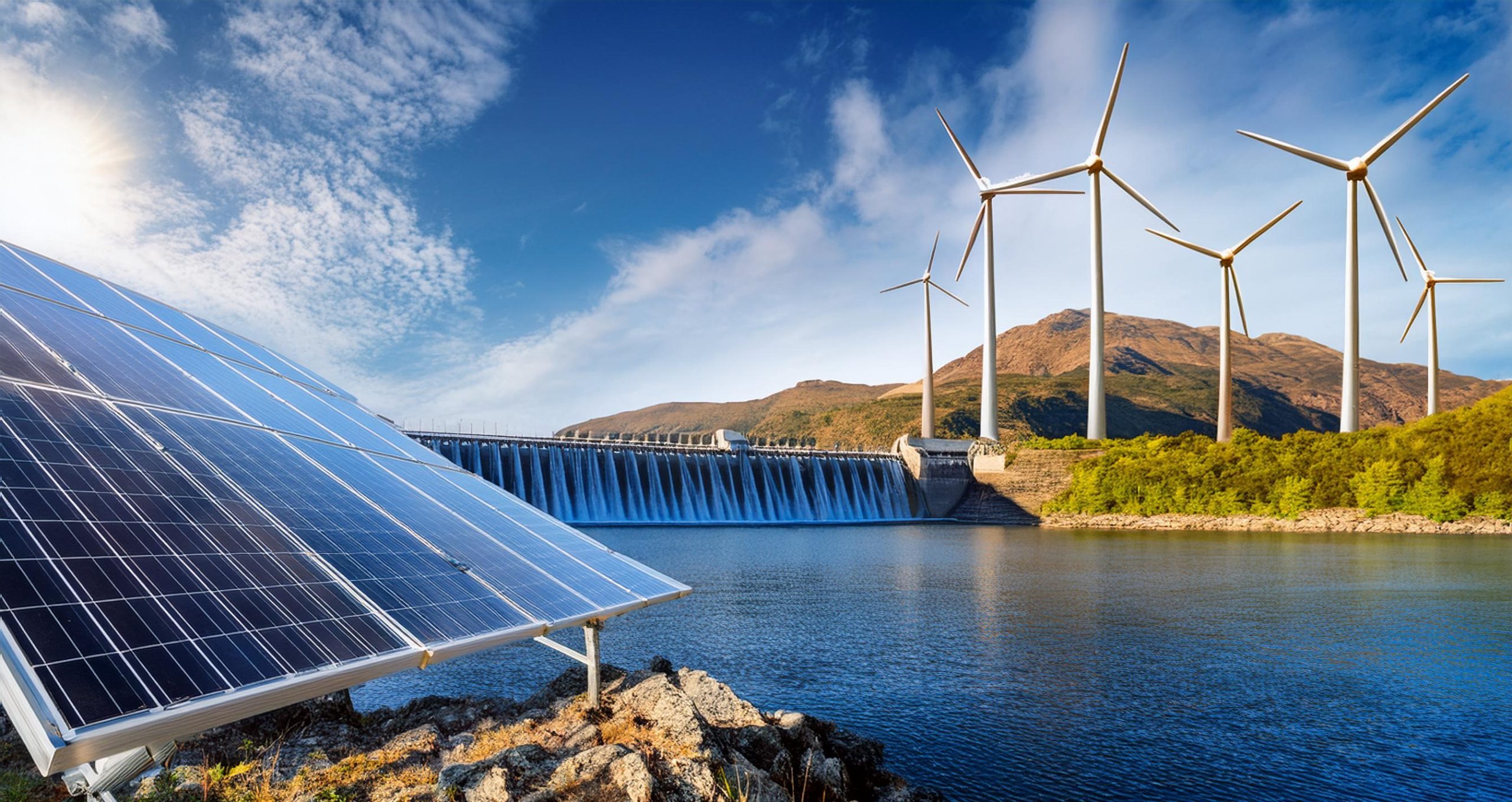
Sustainable energy is central to meeting these challenges. Defined as clean, reliable, affordable, and equitable, sustainable energy supports national development needs while minimizing environmental harm and fostering long-term economic, social, and environmental sustainability. Integrated sustainable energy systems combine renewable sources—such as solar, wind, hydro, geothermal, and biomass—with modern technologies, smart grids, and storage solutions to deliver energy efficiently, reduce greenhouse gas emissions, and expand access to underserved communities.
Continentally, Africa continues to face significant energy access deficits, with approximately 600 million people lacking reliable electricity and 970 million without access to clean cooking solutions. Only about 25% of electricity in the region comes from renewable sources, despite Africa possessing around 60% of the world’s best solar potential. These gaps highlight the urgent need for effective policy, regulation, and financing strategies to mobilize investment, accelerate energy transition, and achieve energy equity.
Efforts and Challenges in Sustainable Energy Access and Financing
Efforts to expand access to sustainable energy, including initiatives like the World Bank Mission 300, have made progress but remain limited. Clean cooking solutions are still expensive and often inaccessible for the poorest and remote households. Expanding energy access and achieving a just transition requires policy reforms such as unbundling existing energy utilities and integrating sustainable energy systems into national, mini, and off-grid networks. Well-designed integrated systems can support public services—solar-powered water, health facilities, small businesses, electrified transport, housing, and modernized agriculture—while reducing reliance on fossil fuels.
Investment in clean energy has grown modestly over the past two years, including multilateral and private sector contributions, yet financing remains far below what is needed. Critical questions persist: how can governments and private sector actors scale investments in sustainable energy systems, and which models are best for advancing clean energy and other renewable technologies in Africa?
Globally, the energy sector is rapidly shifting toward renewables, with record growth in 2023 reaching 3,870 GW of installed capacity (IRENA, 2024). Countries are adopting Nationally Determined Contributions (NDCs) to guide climate adaptation and mitigation at the national level, supported by financing mechanisms like carbon trading, multilateral funds, and private sector investments.
However, in Eastern Africa and Africa generally, limited knowledge and expertise hinder the ability of governments, civil society, and private actors to navigate evolving global energy policies and regulatory frameworks. Accessing climate finance and developing bankable green economy projects remains challenging. Consequently, strengthening skills, policy understanding, regulatory capacity, and financing literacy is critical to accelerate the transition to sustainable clean energy and scale up investment in the green economy, providing jobs and sustainable development.
This course is designed to equip public policymakers, civil society actors, private sector stakeholders, and financial institutions with the knowledge, skills, and tools to shape and implement sustainable energy policies, advance regulatory reforms, and unlock financing for a just and equitable green economy.
Skills Gap Analysis and Justification
The transition to sustainable and clean energy in Eastern Africa and across the Africa region is constrained by a critical shortage of technical knowledge, policy expertise, and institutional capacity. Various engagements between the Governance and Economic Policy Centre (GEPC), civil society organizations, and government institutions have consistently highlighted the need for targeted capacity building to accelerate policy, regulatory, and financing reforms that support the energy transition.
Identified Skills Gaps
In 2022, the Governance and Economic Policy Centre in collaboration with one of its international partners, attempted to form a National Multisector Reference Group on Energy Transition in Tanzania as a bespoke platform for policy dialogue, advocacy, and capacity development. The feedback and lessons drawn from this process demonstrated an urgent need for renewed capacity-building and leadership in this area. A subsequent short skills gap study commissioned by GEPC in 2024 identified several critical weaknesses among key stakeholder groups:
- Government officials and legislators lack the technical expertise to design, implement, and monitor effective sustainable energy policies and laws.
- Civil society organizations have limited knowledge of the global political economy of climate change and energy, limited advocacy, analytical, and policy engagement skills to effectively influence decision-making and accountability mechanisms.
- Private sector actors struggle to identify, develop, and present bankable renewable energy projects.
- Financial institutions face challenges in evaluating, matching, and financing sustainable energy investments.
- Overall political will and coordination for driving sustainable energy transition remain weak and fragmented.
Rationale for the Course
In response to these systemic capacity gaps, GEPC has designed the Sustainable Energy Policy, Regulation and Green Economy Financing Course to strengthen the technical and institutional foundations for an inclusive and just energy transition. The course directly addresses the need for:
- Enhanced policy and regulatory understanding among public officials and other key stakeholders.
- Improved advocacy and engagement capacity for civil society and community actors.
- Strengthened financial literacy and investment readiness within the private and banking sectors.
- Greater collaboration and coherence among energy sector stakeholders.
This course addresses these gaps by equipping policymakers, civil society actors, private sector professionals, and financial institutions with the knowledge, skills, and tools to shape sustainable energy policies, advance regulatory frameworks, and mobilize financing for a just and inclusive green economy.
Course Approach
The program will be delivered as an extended seven-week modular course. It will be facilitated by a diverse faculty of experts drawn from GEPC technical ecosystem, global partners and experts, combining practical experience, policy insights, and technical expertise.
Through a blend of lectures, case studies, simulations, and interactive sessions, the course will equip participants with the knowledge and tools necessary to shape effective policies, foster accountability, and mobilize financing for sustainable and equitable energy development.
Course Objectives
The course aims to:
- Enhance understanding of sustainable energy policy, regulatory frameworks, and governance mechanisms relevant to Tanzania and the region.
- Develop technical and analytical capacity among policymakers, civil society, and financial sector actors to support the design and implementation of effective energy transition strategies.
- Strengthen advocacy and policy engagement skills for civil society to influence public policy and regulatory reform processes.
- Improve knowledge of financing mechanisms and models for mobilizing investment in renewable and green economy projects.
- Foster collaboration and policy coherence among government, civil society, private sector, and financial institutions in advancing a just and inclusive energy transition.
- Promote innovation and leadership in sustainable energy planning, implementation, and financing.
Expected Outcomes
Upon completion of the course, participants will be able to:
- Demonstrate a clear understanding of the policy, legal, and regulatory dimensions of sustainable energy and green financing.
- Apply analytical and strategic tools to develop and implement effective energy transition policies and projects.
- Understand the global political economy of sustainable energy, engage more effectively in policy dialogue, advocacy, and accountability processes related to the energy sector.
- Identify, design, and evaluate bankable clean energy projects suitable for public and private investment.
- Strengthen institutional coordination and stakeholder collaboration for integrated and sustainable energy governance.
- Contribute to building national and regional momentum for a just, inclusive, and climate-resilient energy future.
Course Content and Modules Overview
The Sustainable Energy Policy, Regulation and Green Economy Financing Course is designed to provide participants with both conceptual understanding and practical tools for influencing, designing, and implementing sustainable energy solutions. The course content is structured into seven interlinked modules, each addressing a critical dimension of sustainable energy and the energy transition.
|
Weekly Modules |
Objectives, expected competence |
|
Module 1: Understanding Sustainable Energy and the Global Energy Transition |
Objective: To provide a foundational understanding of sustainable energy systems, their global dynamics, and relevance to Eastern Africa and Africa’s development agenda. Key Topics:
Expected Competence: Participants will gain an informed understanding of the global and national energy transition landscape and how it aligns with sustainable development goals. |
|
Module 2: Policy, Legal and Regulatory Frameworks for Sustainable Energy
|
Objective: To build participants’ knowledge of the policy and legal frameworks governing sustainable energy. Key Topics will cover:
Expected Competence: Participants will be equipped to analyze, interpret, and contribute to policy and regulatory reform in the energy sector. |
|
Module 3: Financing the Green Economy and Renewable Energy Investments, project development & bankability
|
Objective: To enhance understanding of green financing mechanisms, instruments, practical competencies, and strategies for developing financeable projects, mobilizing, manage and analyze green financing. Key Topics:
· Project feasibility studies, project modeling, preparation, operations and risk management
Expected Competence: Participants will understand the clean energy financing terrain, acquire practical skills and tools to analyze clean energy financing texts, developing, and evaluating bankable renewable energy projects and access appropriate financing channels |
|
Module 4: Governance, Equity & Environmental Safeguards
|
Objective: To understand the governance, equity & environmental safeguard concerns underlying the transition to sustainable energy. Key Topics:
Expected Competence: Participants will gain insights into the advocacy concerns and suitable policy and regulatory responses to just energy transitions and financing of sustainable energy. |
|
Module 5: Communication, Advocacy, Accountability and Stakeholder Engagement
|
Objective: To strengthen participants’ advocacy, negotiation, and communication skills for influencing policy and ensuring accountability in energy governance. Key Topics:
Expected Competence: Participants will develop the skills to effectively communicate, advocate for and influence energy policies and reforms that promote transparency, inclusion, and sustainability |
|
Module 6: Leadership, Innovation and the Future of Energy Transition
|
Objective: To inspire leadership and innovation in sustainable energy planning and implementation. Key Topics:
Expected Competence: Participants will gain leadership insights and strategic foresight to drive innovation, partnerships, and sustainable change in the energy sector. |
|
Week 7: Applied Learning & Practicum
|
Objective: To provide participants with practical hands-on experience in operations of sustainable energy projects, designing sustainable energy projects, financeable and bankable projects, developing applicable policy briefs and advocacy communiques for sustainable energy.
|
Delivery Methods
The course will employ a blended learning approach, integrating:
- Expert-led lectures and interactive discussions
- Practical case studies and simulations
- Group work and peer-to-peer learning
- Policy labs and project design sessions
- Guest lectures from leading practitioners and global experts
Participants will receive digital resources, reading materials, and toolkits to support post-course application of skills in their professional contexts.
Target Participants
The course is designed for junior- to senior-level professionals and practitioners involved in energy, climate, and economic governance who play or aspire to play a role in shaping policy, regulation, and financing for sustainable energy.
It specifically targets:
- Government officials and legislators involved in energy, environment, finance, infrastructure, and local government sectors.
- Civil society leaders and policy advocates working on governance, climate justice, and sustainable development issues.
- Private sector actors and project developers in renewable energy, infrastructure, and related industries.
- Financial and investment professionals from banks, development finance institutions, and microfinance organizations seeking to understand green financing opportunities.
- Academics and researchers working on energy policy, economics, and sustainability studies.
- Development partners and international organizations supporting energy transition and green growth initiatives.
Diversity and Inclusion:
GEPC encourages participation from women, youth, and professionals from underrepresented groups to promote inclusivity and diverse perspectives in the sustainable energy transition discourse.
Admission Requirements
Applicants should meet the following minimum requirements:
- Educational Background:
- At least a bachelor’s degree or equivalent qualification in a relevant field such as social sciences, political science, public policy, economics, law, environmental studies, engineering, communication, finance, or related disciplines.
- Applicants with significant professional experience in the energy or governance sector will be considered in lieu of academic qualifications.
- Professional Experience:
- At least one year of relevant work experience in government, civil society, academia, or the private sector, preferably in areas related to extractive sector, energy, public policy, climate & environment, media or economic development, banking and green financing
- Language Proficiency:
- Proficiency in English (both written and spoken) is required, as the course will be conducted in English.
- Motivation Statement and CV:
- Applicants must submit a brief statement (300–500 words) explaining their motivation for joining the course and how they plan to apply the knowledge gained in their professional setting. They must attach a short CV or resume plus a Headshot portrait photo
- Recommendation:
- A letter of support from an employer, supervisor, work colleague or institutional head is encouraged but not mandatory.
Course Duration: 7 Weeks (19th January-7th March, 2026)
The course is designed with flexible delivery options to accommodate the varying needs of participants. The seven-week program structured into weekly modules, allowing participants to combine professional responsibilities with learning.
Certification
Upon successful completion of the course requirements, participants will receive a Certificate of Completion from the Governance and Economic Policy Centre (GEPC), jointly endorsed by partnering academic or professional institutions where applicable.
Course Fees: A Subsidized rate of USD 300. Limited scholarships will be available to exceptional and early bird applicants
Course Management: Virtual & Online
Virtual delivery will be managed through GEPC’s Moodle and Google Classroom digital learning platform.
Essential Timelines
|
Date |
Activity |
|
3rd December |
Advertising call for Applications |
|
9th January 2026 |
Deadline for Applications |
|
12th January, 2026 |
Notification of selected participants |
|
19th January 2026 |
Course Commencement |
|
7th March 2026 |
End of Course and Graduation |
How to apply:
Applications and support documents (Motivation letter, CV and Headshot photo) must be sent as a single PDF or word file by 9th January 2026 to: info@gepc.or.tz