

Why Decarbonization of fishing and Maritime Sector must be a priority for climate action
GEPC Reflection paper on Maritime Climate and Nature Governance
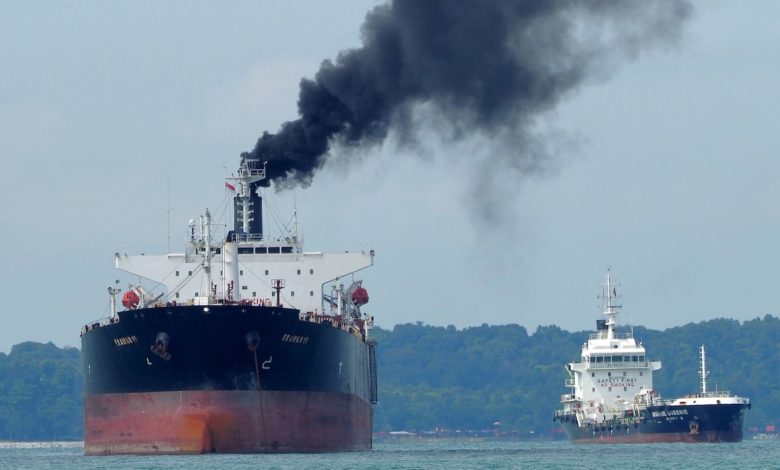
Despite progress, decarbonization of the maritime shipping and fishing sector remains one of the conundrums to disentangle in the global climate change and energy transition juggernaut. The process is slow and messy yet fossil pollution from the maritime sector in the form of oil dumps and carbon emission takes its toll on marine ecosystems, health and livelihoods.
According to study reports, the maritime sector contributes approximately 3% of global greenhouse gas (GHG) emissions, amounting to over 940 million to 1 billion tons of annually. As the backbone of 80-90% of global trade, ships also emit 18-30% of nitrogen oxides and 9% of sulfur oxides, causing 60,000 annual, pollution-related deaths each year related to heart and respiratory diseases, particularly in communities near seaports. As global trade continues to grow, international shipping emissions could rise to 17% or more of global GHG by 2050 (Climate Works Foundation)
The maritime shipping sector remains a significant contributor to global greenhouse gas emissions, intensifying climate change and impacting the health of communities, ecosystems, and economies worldwide. Decarbonizing shipping isn’t just about tackling climate change — it’s about easing the health toll on port communities, which suffer most from polluted air (ibid)
Approximately 80% to 90% of global trade by volume is carried by sea and handled by ports worldwide, making maritime logistics the backbone of the global economy. By value, maritime transport accounts for over 70% of global trade. This reliance includes raw materials, fuel, and finished goods, with around 11 billion tons of goods transported by ship annually
Global fishing fleets, powered mainly by fossil fuels such as marine diesel, emit between 0.1% to 0.5% of global carbon emissions, or up to 159 million tons annually, according to the latest available UNCTAD data. The fisheries sector, crucial for the livelihoods of more than 40 million people worldwide, faces escalating threats from climate change. These include rising sea levels and warming waters that jeopardize fishing ports and deplete fish stocks. The risks are particularly high for developing countries, where small-scale and artisanal fishing prevails. Yet the fishing industry lacks comprehensive global targets and guidelines for transitioning to cleaner energy, UNCTAD reports
Decarbonization of the sector will require political will and investment in new technologies that enable the fishing and maritime vessels to straddle the breadth of water surfaces without spilling and emission of toxic waste. Fishing fleets in their different sizes are a key contributor to the fisheries and seafood value chain, but also an important source of GHG emissions because they rely on fossil fuels such as marine diesel as a source of energy.
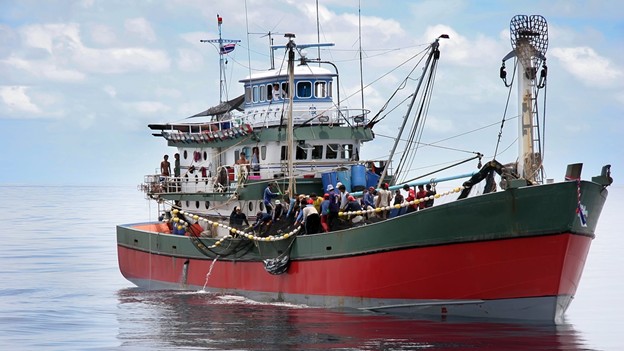
Fishing is an extractive sector and most emissions stem from the fuels that are used to propel the fishing vessels, but fuel is also used for processing fish on board vessels. Moreover, the fuel used in fishing vessels is often diesel or other forms of bunker fuel or heavy fuel oil (HFO), which contains more contaminants than regular fuel and is therefore more polluting. It is therefore imperative that lighting efforts are made to decarbonize the sector.
Decarbonising the Maritime and fishing sector focuses on achieving net-zero emissions by 2050, as targeted by the International Maritime Organisation (IMO), through adopting alternative fuels (biofuels, methanol, ammonia), enhancing energy efficiency (hull optimization, wind-assisted propulsion), and utilizing digital technologies. For fishing, this involves electrifying small vessels and implementing hybrid systems on larger ones, alongside reducing overfishing to protect ocean carbon sinks.
Key Aspects of Maritime Decarbonisation
- IMO Targets: The IMO aims for at least 20% to 30% reduction in GHG emissions by 2030 and 70% to 80% by 2040, aiming for net-zero by 2050.
- Alternative Fuels: Transitioning to biofuels, LNG, methanol, and ammonia is central to eliminating carbon from shipping, with ongoing testing and safety protocols.
- Energy Efficiency: Immediate gains are achieved through hydrodynamic hull improvements, advanced propeller designs, and AI-driven performance optimization.
- Technological Shift: The industry is moving towards digitalization for monitoring emissions and using IoT for real-time energy management.
Decarbonising the Fishing Fleet
- Fuel Savings: Implementing advanced trawl designs and efficient, low-resistance nets has shown up to 20% fuel savings in pilot studies.
- Propulsion Systems: Small-scale, near-shore fishing vessels are best suited for electric battery propulsion, while larger vessels are transitioning to hybrid systems.
- Operational Changes: Reducing speed, optimizing fishing times, and adopting smart, energy-monitoring gear are crucial, non-technical, or “soft” measures.
- Policy & Incentives: Policies include phasing out fossil fuel subsidies, implementing carbon taxes, and directing funding toward green retrofitting.
Challenges and Strategies
- Data and Methods: Fishing fleets often have high fuel reliance, contributing about 4% of food production CO2 emissions. Accurate, bottom-up data is needed to track progress.
- Socioeconomic Factors: The transition must account for the impact on coastal communities, requiring support for fishermen to invest in new, greener technologies.
- Ecological Benefit: Ending overfishing is key, as healthy oceans and fish stocks optimize natural carbon sequestration.
Decarbonizing the fishing fleets: Considerable recommendations
UNCTAD finds that considerable fuel use reduction can be achieved from fully implementing existing EU regulations (for instance, by rebuilding stocks and allocating fishing opportunities in accordance with Article 17 of the Basic Regulation on the common fisheries policy). To this end, fuel use efficiency and greenhouse gas emissions need to be integrated as an explicit goal of fisheries management, and monitored on the basis of robust data collection.
Moreover, the introduction of alternative fuels will require major investment in new infrastructure as well as regulatory changes in the short term, but lead to major gains in the long term, with regard to both costs and emissions. It is however important to optimise the choice of fuel and technology for the operational profile of each vessel. In the transition, it is crucial that economic policy instruments, such as taxes, fees and emission quotas, are used wisely to incentivise transition.
A ban of fossil fuel use in fisheries by 2050 would give clear incentives and pave the way for the transition – but needs to be accompanied by well-designed funding opportunities for green investments and compensatory measures to minimise the rise in short-term costs. Overall, a systems perspective is needed to achieve an energy-efficient, decarbonized fishing sector, without this causing other environmental impacts.
Balancing Decarbonization and Fairness to less developed countries and fishing communities
The Maritime and fishing industry needs to shift to alternative energy – but in a way that’s fair for vulnerable countries and communities. The Maritime sector accounts for more than 85% of global trade logistics and the fisheries sector is important for food security, jobs and for the livelihoods of millions of people, especially in developing countries.
Based on reports from the World Bank and Food and Agriculture Organisation (FAO) maritime logistics is critical for developing economies, with over 80% of global trade volume carried by sea. Developing nations account for roughly 55% of seaborne exports and over 60–70% of imports, making their trade, particularly in raw materials and consumer goods, heavily dependent on maritime transport (World Bank)
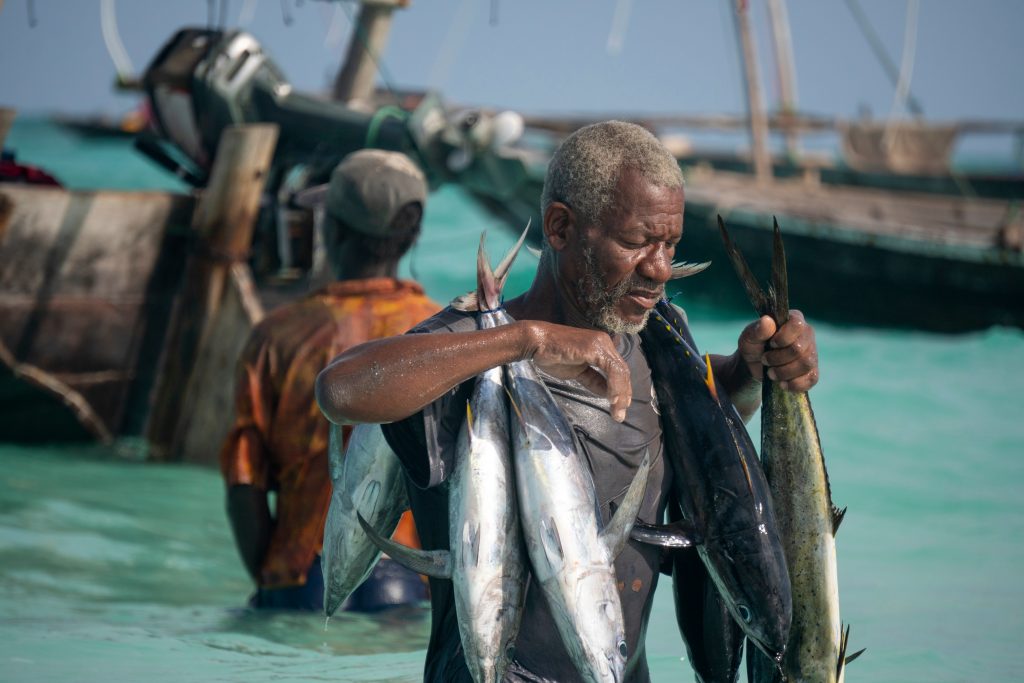
Meanwhile approximately 500 million to 600 million people in developing countries and less developed countries (LDCs) rely on small-scale fisheries and aquaculture for their livelihoods. It is imperative that adopting alternative fuels and energy mix must be gradual and contextual to ensure a “just” energy transition that doesn’t disproportionately affect vulnerable countries or fishing communities.
Need for targeted and stronger regulations for maritime and fishing fleets. According to UNCTAD “Existing energy efficiency measures and regulations adopted by the International Maritime Organization for global shipping are of only limited application to fishing vessels, primarily due to their size and operational patterns. For example, vessels that fall below certain tonnage thresholds or operate exclusively within a flag State’s jurisdiction are exempt. Fishing vessels are also currently excluded from reporting obligations and market-based measures for GHG reduction adopted at the European Union level, except for the taxation of energy products used to propel all vessels.
Moreover, in the context of Nationally Determined Contributions (NDCs) under the Paris Agreement – where countries outline their pledges to cut emissions and adapt to climate change – most of the top ten major aquatic food exporters show limited commitments to climate mitigation or adaptation in fisheries-related sectors. The IMO regulations thus need to be reasserted and enforced with time bound milestones for implementation and roll out across the maritime and fishing sector.
Scale up research and development in alternative fuels. So far, green biofuels made from non-feedstocks or fish waste, stand out as the most readily available and mature option however still face challenges of safety, scalability, cost effectiveness, storage capacity of vessels and ports and, delivery infrastructure. For green methanol and liquefied natural gas faces challenges in terms of retrofitting and safety, with limited potential to fully decarbonize fleets. Other possible ways to reduce fishing vessels’ GHG emissions by use of electric and hybrid engines, wind propulsion technologies and digital technologies to improve energy efficiency must be explored, tested and scaled up.
Harmonize Global Data Collection: On the economic and technological fronts, UNCTAD calls for a globally harmonized system for data collection, adapted to small-scale and artisanal fisheries, to monitor and report fishing fleet GHG emissions. The data must be openly shared with the countries and communities were fishing fleets operate. Further exploration and use of sustainable fuel options from circular economy practices, such as converting fish waste and seaweed into biofuel or biogas for fishing vessels and expanding their delivery infrastructure must be used.
Start incremental phase-out and, ultimately, prohibit fossil fuel-based subsidies to the fisheries sector. From a trade, value chain and infrastructure point of view, there must be incremental phase-out and, ultimately, prohibition of fossil fuel-based subsidies to the fisheries sector. Also crucially take effective measures on climate change adaptation, resilience-building and disaster risk reduction for seaport infrastructure, as well as improving access to affordable financing for developing countries.
On environmental considerations, introduce fishing fleet decarbonization commitments into NDCs to align mitigation and adaptation efforts, since decarbonization cannot be separated from marine stewardship and fish stocks sustainability.
Polluter Must Pay. Governments must impose heavy carbon taxes on large fossil polluting commercial fishing vessels in the form of excise duties to compensate for the environmental and health damage caused. These must be accompanied with guard rails on how much of these can be passed down to consumers.
Finally, address social and economic livelihood factors, by prioritizing the well-being, livelihoods and rights of fishers in the energy transition and enhancing safety standards
Efforts towards a Carbon Free Maritime Transport fleet and logistics industry: A Case of CMA CGM
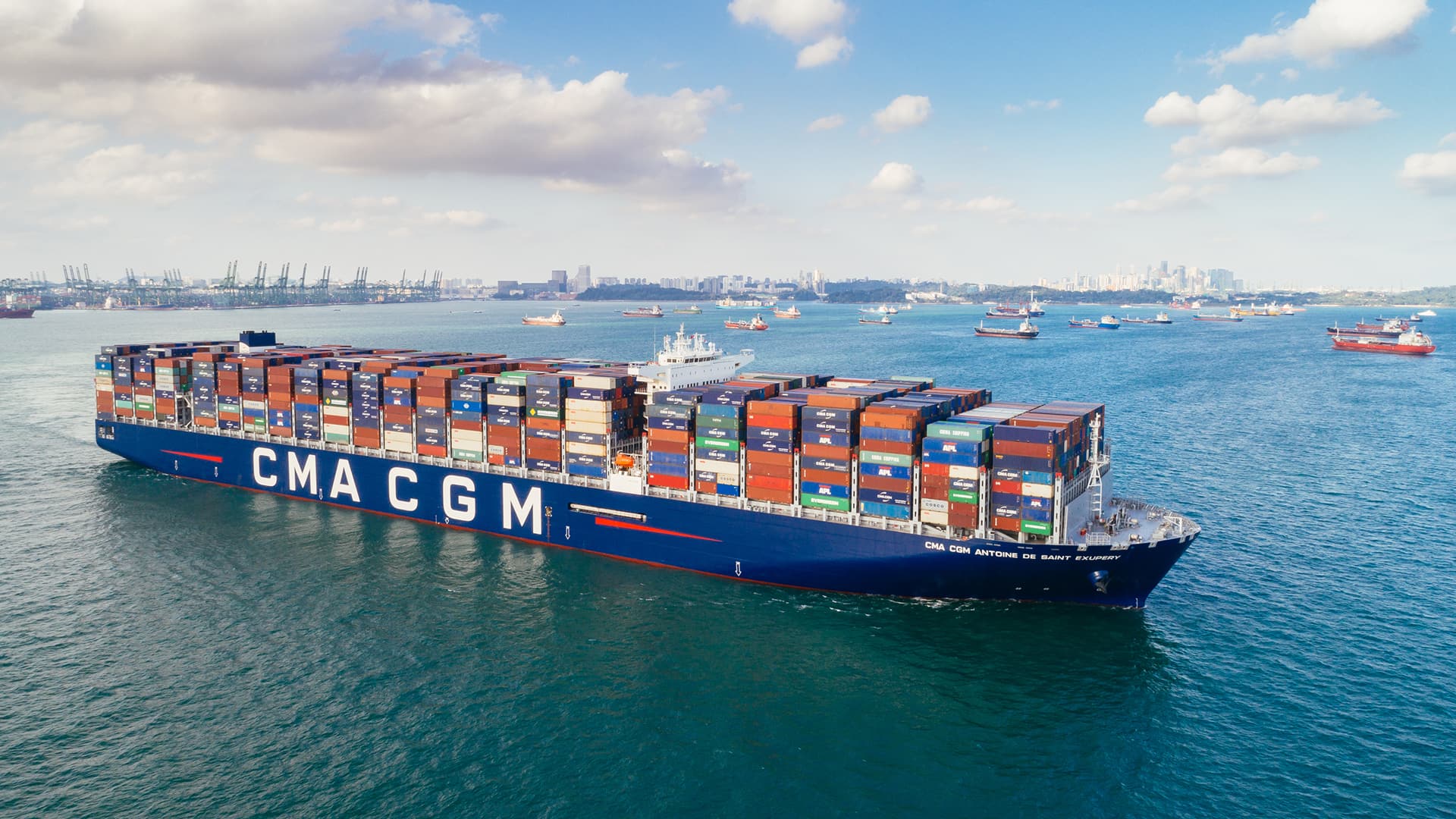
The transition requires intense collaboration between ship owners, regulators, and energy suppliers to implement tailored solutions for the diverse global fleet. So far CMA CGM and Mearsk have joined efforts to address decarbonization in the shipping and maritime sector
According to the Company’s reports, CMA CGM a leading global player in Maritime transport and logistics adopted an ambitious operation and financial strategy to achieve net zero carbon across all its operations by 2050. The company targets to reach two intermediate stages for its shipping activities: -30% of greenhouse gas emissions by 2030 and -80% by 2040 (vs 2008).
CMA CGM’s decarbonization strategy is based on two pillars:
- Reducing energy consumption through operational excellence and optimization of the Group’s assets,
- Increasing the share of low-carbon energies, both by acquiring adapted assets and developing sustainable production channels.
CMA CGM has reduced the carbon intensity of each container transported on its ships by 50% between 2008 and 2022. To reduce its total CO2 emissions, the Group continues to optimize ship design and propulsion, and to improve the energy efficiency of its sea and land operations and infrastructures. Moreover, three fleet centers constantly assist crews on board with improved data to optimize routes, and the SMARTSHIP project will provide cutting-edge connectivity for 200 vessels to transmit real-time navigation and fuel consumption data by 2025.
The Group continuously improves its fleet performance with design innovation, including hydrodynamics and aerodynamics and new propulsion technology to save fuel. Port terminals operated by the Group have been revamped to limit their environmental impact with the installation of solar panels, use of hybrid or all-electric handling equipment, supply of biodiesel, and LED lighting.
Diversifying the energy mix: The biggest challenge for more sustainable maritime transport is developing low-carbon energies. CMA CGM continues to diversify its energy mix by integrating alternative energies to power its maritime, road and air assets.
To date, CMA CGM has invested $15 billion in 119 new vessels ready to use biogas, bio methanol and e-fuels, that will be in fleet by 2028. Through partnerships with industrial and energy leaders, CMA CGM supports the development of a sustainable supply chain for these new low-carbon fuels. Convinced that the transition of the shipping sector will be driven by multiple energy solutions, The company has explored all alternative energies for the future such as ammonia, hydrogen and sail assistance.
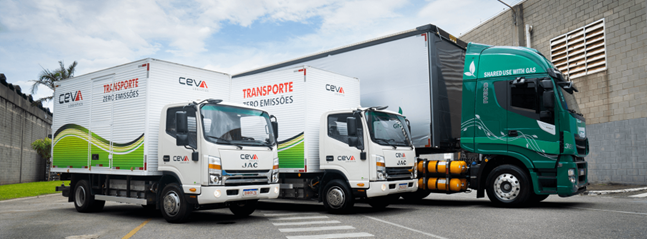
CMA CGM subsidiaries also contribute to the Group’s Net Zero target on land and in the air. By 2025, CEVA Logistics will operate a fleet of 1,450 electric vehicles for all logistics, and its entire warehouse facilities will use low -carbon electricity delivered by 1.8 million sqm of solar panels.
CMA CGM has also adopted an ambitious strategy to modal shift from road to lower-carbon transport, such as rail and barges, with the objective of reaching 70% by 2025. Launched in March 2021, the Group’s air cargo division will be the first to launch the A350F, the most modern and energy-efficient model on the market. CMA CGM supports a start-ups, universities and research centers nd drives innovation to build low-carbon, more sustainable global supply chains.
References:
Climate works Foundation: https://www.climateworks.org/programs/transportation/maritime-shipping/#:~:text=The%20challenge,other%20harborcraft%2C%20eliminating%20major%20pollutants.
EPRS: Decarbonizing the fishing sector: Energy efficiency measures and alternative energy solutions for fish, PE 740.225 – June 2023
UNCTAD: Energy transition of fishing fleets: Opportunities and challenges for developing countries: https://unctad.org/publication/energy-transition-fishing-fleets-opportunities-and-challenges-developing-countries
Word Bank; Sustainable Development in Shipping and ports , ( August 14, 2025) Available via: https://www.worldbank.org/en/topic/transport/brief/sustainable-development-in-shipping-and-ports#:~:text=Maritime%20is%20critical%20for%20Global,change%2C%20maritime%20transport%20is%20crucial.