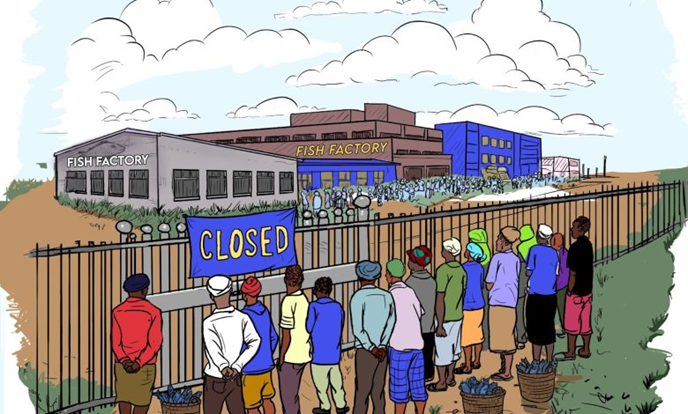
Tragedy of Conflict, Economic Exclusion, and Meeting Public Economic Expectations in Times of Crisis: The Case of South Sudan


Authors: Boboya James Edimond,  Institute of Social Policy Research, South Sudan & Moses Kulaba, Governance and Economic Policy Centre

South Sudan continues to face profound economic and governance challenges rooted in prolonged conflict, institutional fragility, and structural economic exclusion. Despite abundant natural resources, particularly oil, the country has struggled to convert this wealth into broad-based economic development and improved social welfare. Persistent instability, weak public institutions, and economic mismanagement have exacerbated poverty and constrained the state’s capacity to meet public expectations for economic opportunity and effective service delivery.

This paper examines the interplay between conflict, economic exclusion, and public expectations during periods of crisis in South Sudan. Drawing on recent economic assessments and development literature, it argues that sustainable recovery requires comprehensive institutional reforms, economic diversification, and inclusive governance capable of addressing structural inequalities and restoring public trust.

Furthermore, the analysis contributes to ongoing regional debates on East African Community (EAC) national budget plans and the broader implications of the US–Israel–Iran war on energy and economic outlooks in the region. The conflict involving the United States, Israel, and Iran has caused major disruptions in global energy markets, including sharp rises in oil prices and risks to key chokepoints such as the Strait of Hormuz, which carries roughly 20% of the world’s oil supply (2026 Strait of Hormuz crisis). These external shocks underscore the need for prudent, timely resource allocation and resilient fiscal frameworks to support post‑conflict reconstruction and strengthen regional economic resilience.

  1. Introduction

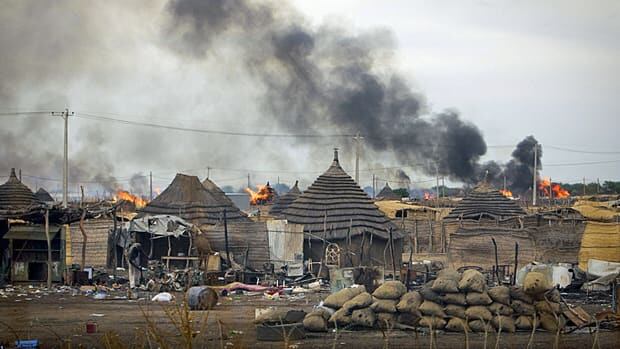
South Sudan gained independence in 2011 amid widespread optimism about the prospects for peace, political stability, and economic transformation. However, the country soon experienced severe political instability and violent conflicts that undermined its development trajectory. The outbreak of civil war in 2013 and recurring localized conflicts since then have significantly weakened the economy, damaged infrastructure, and displaced millions of citizens.

Conflict has had devastating effects on economic activity, reducing agricultural production, disrupting trade networks, and discouraging private investment. As a result, economic growth has remained fragile and heavily dependent on oil revenues. The country’s economic structure is highly vulnerable to external shocks, particularly fluctuations in global oil prices and disruptions to export infrastructure.

Recent economic assessments indicate that South Sudan’s economy has experienced sustained decline over several consecutive years. The economy was projected to contract by approximately 30 % in the 2024/25 fiscal year, largely due to disruptions in oil production and declining export revenues (World Bank, 2025). Resources mobilized or provided by development partners for post-conflict reconstruction have often been misused, while the country’s narrow tax base further constrains domestic revenue generation. In addition, annual national budgets have frequently been delayed or left unpassed before the National Assembly, undermining fiscal planning and disrupting efforts toward post-conflict reconstruction and development.

At the same time, citizens continue to expect the government to deliver economic stability, employment opportunities, and improved public services. This growing mismatch between public expectations and state capacity has emerged as one of the defining governance challenges in South Sudan, exacerbating public dissatisfaction and weakening trust in state institutions.

Contribution to the Ongoing Debate: EAC Budgets and the Implications of the US, Isreal and Iran War.

The analysis presented in this paper also contributes to broader discussions in regional dialogues, such as webinars and policy forums, on the East African Community (EAC) national budget plans and the implications of the US-Israel-Iran war for the region’s energy and economic outlooks. The EAC’s collective capacity to plan and implement effective national budgets is increasingly strained by both internal fiscal weaknesses and external shocks. As of the 2023–24 fiscal year, multiple EAC member states — including South Sudan — have experienced significant budget shortfalls and delayed remittances to the regional budget, impeding the bloc’s ability to fund operations and coordinate shared developmental priorities (EAC Secretariat, 2025).

The recent Middle East conflict between the United States and Iran — especially disruptions around the Strait of Hormuz — has major implications for global energy markets and regional economic stability. Roughly 20% of the world’s oil and natural gas trade flows through this strait, so prolonged tensions have driven up global oil prices and heightened supply chain risks, with ripple effects across Africa, including East Africa (Arita, S., Chakravorty, R., Kim, J., Lwin, W. Y., & Steinbach, S., 2026).

For EAC economies that are net importers of energy, the surge in crude oil prices increases the cost of fuel, transportation, and basic commodities, complicating fiscal planning and national budget implementation. Analysts have already warned that East African countries may face rising inflationary pressures, depreciating currencies, and widened current account deficits as a result of these disruptions. This trend makes it more difficult for governments to allocate resources toward development priorities while managing macroeconomic stability.

These regional debates underscore the interconnectedness of domestic fiscal policies and global geopolitical dynamics. They highlight the importance of strengthening EAC fiscal frameworks and diversifying energy sources to mitigate the economic fallout from international conflicts — a theme that aligns closely with the findings of this study on South Sudan’s economic vulnerabilities and the broader institutional challenges facing fragile economies in East Africa.

  1. Conflict and Economic Disruption

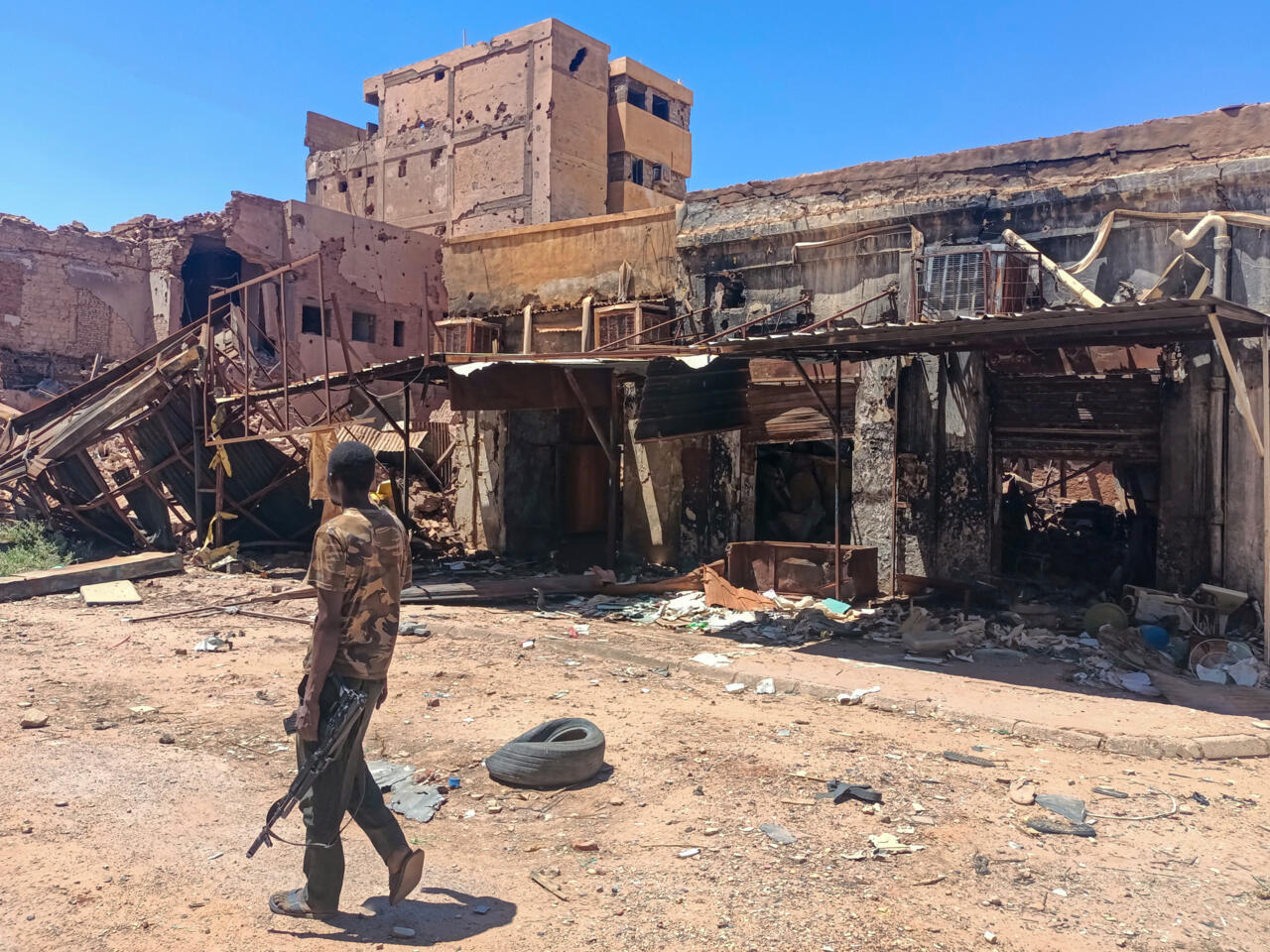
Armed conflict has been one of the most significant obstacles to economic development in South Sudan. The destruction of infrastructure, displacement of populations, and disruption of productive activities have severely constrained economic growth. Research indicates that conflict has destroyed key infrastructure, including roads, bridges, hospitals, and schools, while also disrupting agricultural production and supply chains (Journal of Developing Country Studies, 2024; Acheampong & Enders, 2024). The displacement of more than 3.8 million people has weakened the labor force, reduced productivity across multiple sectors of the economy, and increased dependency on humanitarian assistance (Journal of Developing Country Studies, 2024; UNHCR, 2025).

Photo Credits: UN News

The economic losses associated with conflict are substantial. Multiple studies estimate that armed conflict has resulted in billions of dollars in economic losses due to reduced productivity, destruction of physical assets, and declining investment flows (Zhou & Hsiao, 2025; Akol, 2024). The destruction of economic infrastructure raises the cost of reconstruction and slows the pace of post‑conflict recovery, placing an additional burden on already fragile public finances (Collier et al., 2024).

Furthermore, persistent instability has significantly discouraged both domestic and foreign investment. In the absence of a stable political and security environment, businesses face heightened risks that constrain economic expansion and limit job creation. Post‑conflict countries such as South Sudan, characterized by weak governance structures and fragile economic fundamentals, are particularly vulnerable to external regional and global shocks (IMF, 2024). Disruptions in key sectors—such as energy and trade—have had severe consequences; for instance, interruptions in oil production have resulted in estimated revenue losses of approximately $7 million per day, further straining government finances and fiscal sustainability (World Bank, 2025b).

  1. Fiscal Policy, Taxation, and National Budgets

An examination of South Sudan’s fiscal framework reveals deep structural weaknesses in revenue generation and public financial management. Government revenue remains overwhelmingly dependent on oil, which accounts for around 90% of total government revenue and approximately 95% of exports (African Development Bank, 2023; IMF, 2024). This high dependence exposes the economy to external shocks, particularly fluctuations in global oil prices and regional disruptions affecting production and export routes.

Domestic revenue mobilization remains extremely limited. South Sudan’s tax-to-GDP ratio was estimated at approximately 4.1% in FY2022/23, with projections of about 5.8% in FY2023/24, making it one of the lowest in Sub-Saharan Africa (IMF, 2024). Moreover, non-oil revenues contribute less than 20% of the national budget, reflecting a narrow tax base and weak capacity for tax administration (World Bank, 2023). Key tax instruments such as value-added tax (VAT) contribute minimally, further highlighting structural inefficiencies in revenue collection.

On the expenditure side, fiscal data indicate volatility and weak budget credibility. Total government revenue declined from 34.7% of GDP in 2022/23 to about 26.5% in 2024/25, largely due to falling oil revenues, while expenditures remained relatively high at around 28–36% of GDP over the same period (IMF, 2024). This imbalance has contributed to recurring fiscal deficits and rising public debt, which is projected to reach approximately 48.6% of GDP in 2024/25 (IMF, 2024).

In addition to these structural constraints, persistent delays in the preparation and approval of national budgets have undermined fiscal discipline and effective public expenditure management. Weak transparency and governance challenges have further compounded the problem, with reports highlighting the mismanagement of significant public resources, including oil-backed financing arrangements (World Bank, 2025). These challenges disrupt service delivery, weaken development planning, and limit the government’s capacity to respond effectively to post-conflict reconstruction needs.

  1. Economic Exclusion and Persistent Poverty

Despite its natural resource wealth, South Sudan remains one of the poorest countries in the world. Poverty levels remain extremely high, reflecting deep structural inequalities and limited economic opportunities.

According to the South Sudan Poverty and Equity Assessment, approximately 92% of South Sudanese live below the national poverty line, while extreme poverty affects more than two-thirds of the population (World Bank, 2024). Poverty is particularly severe in rural areas, where most households depend on subsistence agriculture. Limited access to markets, poor infrastructure, climate shocks, and ongoing insecurity severely restrict agricultural productivity and household income (World Bank, 2024; ISS Africa, 2026).

Economic exclusion in South Sudan is also evident in limited access to education, healthcare, financial services, and formal employment opportunities (World Bank, 2025; Journal of Developing Country Studies, 2024). Weak institutions, governance challenges, and mismanagement of public resources have further constrained the equitable distribution of economic opportunities, entrenching inequality (World Bank, 2023; IMF, 2024).

Additionally, inequality in access to economic opportunities fuels social grievances and undermines national cohesion. Large segments of the population remain excluded from economic growth, increasing the risk of conflict and political instability (Radio Tamazuj, 2025; ISS Africa, 2026). External shocks—such as regional instability, disruptions in oil exports due to conflict in Sudan, or global geopolitical tensions affecting energy markets—further exacerbate vulnerability, limiting South Sudan’s capacity to achieve sustainable economic resilience (World Bank, 2025a; African Development Bank, 2023).

Addressing these challenges requires inclusive governance, strengthened institutions, and targeted investments in social services and rural development. Without these interventions, structural poverty, economic exclusion, and inequality are likely to persist, continuing to undermine South Sudan’s long-term development and stability (World Bank, 2024; ISS Africa, 2026).

  1. Public Expectations and Governance Challenges

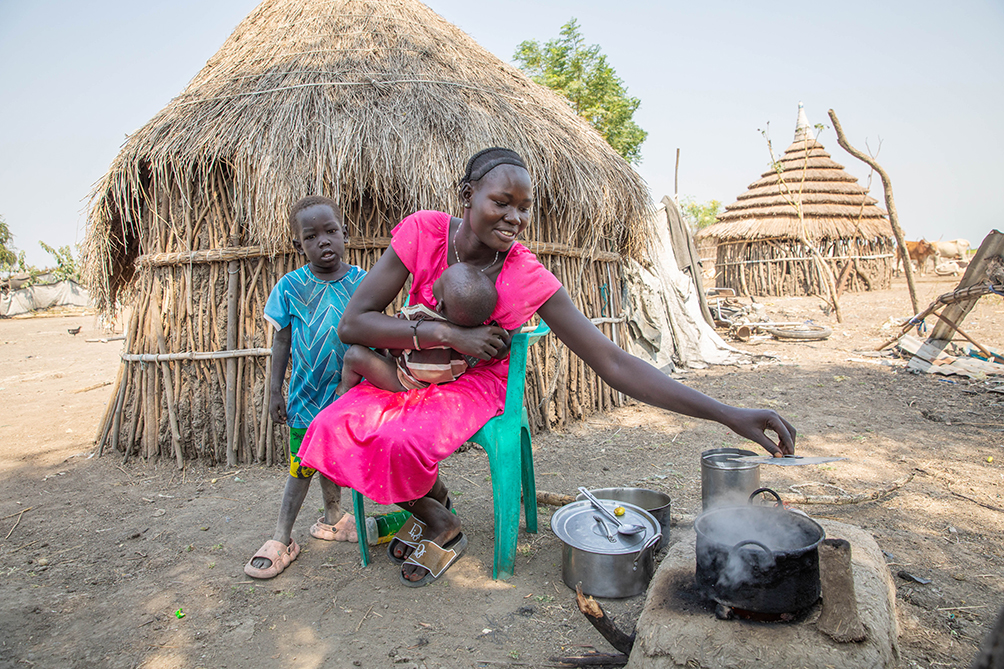
While economic conditions remain difficult, public expectations for economic improvement continue to grow. Citizens expect the government to provide employment opportunities, infrastructure development, and access to essential services such as healthcare and education.

However, the government faces severe fiscal constraints that limit its ability to meet these expectations. South Sudan’s economy remains heavily dependent on oil revenues, which account for over 90 % of government revenue and the majority of export earnings (World Bank, 2021).

This heavy dependence on a single resource exposes the country to significant economic volatility. When oil production declines or prices fall, government revenues drop sharply, resulting in reduced public spending and delayed salary payments for public servants.

External shocks have also worsened economic conditions. For example, disruptions in oil export infrastructure linked to regional conflicts have led to significant fiscal crises and foreign exchange shortages. These challenges have contributed to inflation, food insecurity, and declining purchasing power among households (IMF, 2024).  The gap between public expectations and government capacity to deliver services, therefore, continues to widen.

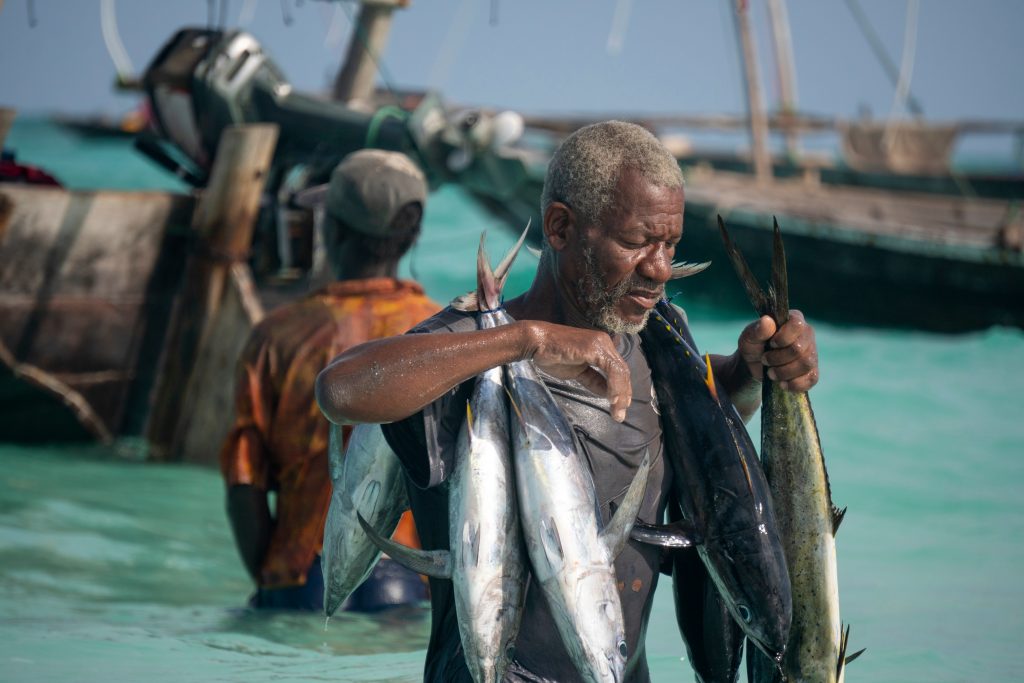
Photo Credit: FAO

  1. Structural Economic Vulnerabilities

South Sudan’s economic challenges are deeply rooted in structural vulnerabilities that limit long-term development.

First, the economy remains highly dependent on oil exports. Oil revenues constitute the majority of government income, making the country vulnerable to fluctuations in global commodity markets and geopolitical disruptions.

Second, economic diversification remains limited. Key sectors such as agriculture, manufacturing, and services remain underdeveloped due to insecurity, poor infrastructure, and limited access to capital.

Third, the country faces recurring humanitarian crises driven by climate shocks, flooding, and food insecurity. These crises place additional pressure on government resources and undermine household resilience.

Fourth, institutional weaknesses limit effective economic governance. Weak public financial management systems, corruption, and limited administrative capacity reduce the effectiveness of development policies.

Addressing these structural challenges is essential for building a resilient and inclusive economy.

  1. Conflicts and Regional Integration

South Sudan has gradually increased its economic integration with regional and international partners, thereby expanding trade opportunities but heightening its vulnerability to external shocks. As a member of the East African Community (EAC), South Sudan is economically linked with neighboring countries such as Uganda, Kenya, Ethiopia, and Sudan. While regional integration enhances market access and trade flows, it also exposes the country to the spillover effects of regional instability.

The ongoing conflict in Sudan has had particularly severe consequences for South Sudan’s economy. Since South Sudan relies on pipelines that run through Sudan to export its oil, the conflict has disrupted production and transportation, leading to significant declines in oil export revenues. Given that oil accounts for the bulk of government income, these disruptions have constrained the government’s ability to finance its national budget and deliver essential public services.

Beyond the region, South Sudan has in recent years strengthened its economic and strategic ties with Middle Eastern countries, including the United Arab Emirates, Saudi Arabia, and Qatar, particularly in the energy and investment sectors. While these partnerships provide important sources of capital and market access, they also increase the country’s exposure to global geopolitical dynamics.

In this context, conflicts in the Middle East—especially tensions involving the United States and Iran—could have significant economic implications for South Sudan. Such conflicts may trigger volatility in global oil prices, disrupt energy markets, and affect investment flows. For a fragile, oil-dependent economy like South Sudan, these external shocks could undermine economic resilience, exacerbate fiscal pressures, and negatively influence the country’s economic outlook for 2026.

  1. Policy Pathways for Inclusive Economic Recovery and Outlook

Achieving sustainable economic recovery in South Sudan requires a coordinated approach that integrates peacebuilding, economic reforms, and institutional strengthening. The following policy pathways are critical:

Durable Peace and Political Stability – Ensuring lasting peace and political stability must remain a top priority. Without a secure environment, key economic activities such as trade, agriculture, and investment cannot thrive, and public confidence in the state will remain low. Stability provides the foundation for rebuilding infrastructure, attracting investment, and enabling productive livelihoods.

Economic Diversification – Reducing dependence on oil revenue is essential. Investments in agriculture, infrastructure, and small-scale enterprises can broaden the economic base, enhance resilience, and generate employment. Improving agricultural productivity, in particular, can strengthen food security and provide income opportunities for rural populations, who represent the majority of South Sudanese households.

Transparency and Accountability in Resource Management – Effective and transparent management of natural resources, especially oil revenues, is critical. Prudent resource allocation can finance development programs, expand public services, and reduce opportunities for corruption that undermine public trust and fiscal stability.

Human Capital Development – Investment in education, healthcare, and vocational training is necessary to cultivate a skilled and healthy workforce capable of supporting long-term economic transformation. Strengthening human capital also enhances innovation and productivity across all sectors of the economy.

Institutional and Public Financial Management Strengthening – Strengthening public institutions, including fiscal management systems, enhances government capacity to plan, implement, and monitor policies effectively. Strong institutions are necessary for efficient service delivery, improved budget execution, and the creation of an enabling environment for private sector development.

By pursuing these interconnected policy pathways, South Sudan can foster inclusive economic recovery, build resilience to internal and external shocks, and create conditions for sustainable development and long-term stability.

  1. Conclusion

South Sudan’s economic and governance challenges are deeply intertwined with its history of conflict, institutional fragility, and structural economic dependence on oil. Despite significant natural resource endowments, the country has struggled to translate its wealth into inclusive growth, poverty reduction, and effective public service delivery. Persistent instability, weak fiscal management, and limited domestic revenue mobilization have further constrained the state’s capacity to meet growing public expectations.

This paper has shown that the interplay between conflict, economic exclusion, and governance deficits continues to undermine development efforts. Declining oil revenues, a narrow tax base, and recurrent delays in national budget processes have weakened fiscal stability and disrupted post-conflict reconstruction. At the same time, increasing regional and global economic integration—through membership in the East African Community and expanding ties with countries such as United Arab Emirates and Saudi Arabia—has exposed South Sudan to external shocks, including the spillover effects of conflict in Sudan and geopolitical tensions in the Middle East.

Addressing these challenges requires a comprehensive and sustained reform agenda. Strengthening public institutions, improving transparency and accountability in resource management, and broadening the domestic tax base are critical steps toward enhancing state capacity. Equally important is the need for economic diversification to reduce overreliance on oil and build resilience against external shocks. Moreover, ensuring that scarce public resources are allocated efficiently, transparently, and in a timely manner will be essential for restoring public trust and supporting long-term development.

Ultimately, sustainable peace and economic recovery in South Sudan will depend on the government’s ability to align public expectations with institutional capacity, foster inclusive governance, and create an enabling environment for investment and growth. Without these reforms, the cycle of fragility, economic decline, and unmet expectations is likely to persist, undermining the country’s prospects for stability and prosperity.


  1. References

Acheampong, T., & Enders, W. (2024). Conflict, infrastructure loss, and economic trajectories in fragile states. Journal of Peace Economics and Development.

Akol, L. (2024). Economic cost of conflict in South Sudan: Infrastructure, productivity, and investment. African Journal of Development Studies.

African Development Bank. (2023). South Sudan economic outlook 2023. African Development Bank Group.

Collier, P., Hoeffler, A., & Söderbom, M. (2024). Post conflict reconstruction and the economics of rebuilding. Oxford University Press.

EAC Secretariat. (2025). East African Community budget and fiscal reports 2023–24. EAC Secretariat.

International Monetary Fund (IMF). (2024). South Sudan: Staff-monitored program review and economic outlook. IMF.

Journal of Developing Country Studies. (2024). The impact of armed conflict on economic growth and sustainability in South Sudan.

Radio Tamazuj. (2025). 11 million South Sudanese faced extreme poverty in 2024 – report. Retrieved from https://www.radiotamazuj.org

United Nations High Commissioner for Refugees (UNHCR). (2025). South Sudan displacement report 2025. UNHCR.

World Bank. (2021). South Sudan economic update: Pathways to sustainable food security. World Bank.

World Bank. (2023). South Sudan economic monitor: Enhancing domestic revenue mobilization. World Bank.

World Bank. (2024). South Sudan poverty and equity assessment. World Bank.

World Bank. (2025a). South Sudan economic monitor: A pathway to overcome the crisis. World Bank.

World Bank. (2025b). South Sudan economic update: Urgent reforms for stability and growth. World Bank.

Zhou, X., & Hsiao, C. (2025). Conflict-driven economic losses in fragile economies. Journal of Conflict and Development.

Arita, S., Chakravorty, R., Kim, J., Lwin, W. Y., & Steinbach, S. (2026). Strait of Hormuz Closure and Global Fertilizer Trade Disruptions. NDSU Agricultural Trade Monitor, 2026(3), 1–26.

Reuters. (2026). Egypt’s energy import bill more than doubles as global prices surge. Retrieved March 18, 2026, from https://www.reuters.com/business/energy/egypts-energy-import-bill-more-than-doubles-global-prices-surge-2026-03-18/?utm_source=chatgpt.com

ISS Africa. (2026). South Sudan country profile — Poverty and inequality analysis. Retrieved from https://futures.issafrica.org/geographic/countries/south-sudan/?utm_source=chatgpt.com


East Africa’s 2026/27 Budget plans and implications of US-Iran war on energy and economic outlook

Author: Moses Kulaba, Governance and Economic Policy Centre

In February the major East Africa Communities Countries (Uganda, Kenya, Tanzania, Rwanda and Burundi) presented to their budget expenditure framework papers and plans in which governments outlined their tax budget proposals and priorities for 2026/27 financial years. The plans are now tabled before their country’s respective parliamentary committees for scrutiny and deliberation.

This paper reflects on the East African Community (EAC) countries budget and tax proposals in the context of economic and tax justice, equity and fairness and the implications of the US, Israel and Iran war on East Africa’s economic outlook for 2026/27. The paper finds that economic benefits from increased budgetary expenditures have been uneven and the US, Israel and Iran war has adverse implications on the region’s economic performance

According to the framework papers, Kenya plans to spend Ksh 4.7 Trln, Uganda UGx78.24 Trln (U$ 21.78 bln) which is about 12.7% increase and Tanzania will spend a record Tsh61.9Trln representing 9.7 % increase compared to previous budget. The governments will raise from tax and non-tax measures with Tanzania focusing more on domestic tax mobilization strategies due to donor aid restraints arising after the violent 2025 general elections. The countries have laid out key expenditure priorities with Education, security, health, infrastructure ranging among the top.

Country

2025/26 budget

2026/27 plans

+/-

Key Priority areas

Uganda

UGX 72.4 Tln

($20 B)

UGX 78.24 Tln

($21.78 B)

+12.7%

Econ transformation, Infrastructure, Fiscal Strategy, Infrastructure (EACOP)

Kenya

Ksh 4.2 T to 4.3 T ( $32-33 Bln)

Ks4.7Tln

+173bln

Education, Security, Health and Agriculture

Tanzania

Tsh56.49 Trln ($21.7–$22.07 Bln)

Tsh 61.9 Trln

+9.7%

Energy, Health, Education, Domestic Revenue Mobilization

Rwanda

Rwf 6,952.1 Bln


(US$57.5 Mln)

– 27.8% (GDP)

Infrastructure (Bugesera Intl Airport, Recurrent expenditure cuts

Burundi

Bf 5.2 trln

( $1.77 billion).

Infrastructure, Agriculture, Social development projects

South Sudan

SSP 7.00 Trln

Wages, debt servicing, and infrastructure development.

Dem Republic Congo

Cf 49,846.8 bln ($17.5 bln to $17.6 bln)

Security, infrastructure, agriculture, and social services


Despite the grandeur of the plans, experiences from the past budgets and analysis of their implementation outcome and economic impacts on ordinary citizens shows that the devil lies in the details. Increasingly, the budgets and their tax plans have been not equitable, just and fair.

Over the last three years, the EAC Countries have increased budgetary expenditures, increased taxes and suppressed inflationary pressures but recorded unevenly distributed economic prosperity. Unemployment, income and food poverty are still persistent.

The World Bank reports poverty rates in East Africa are generally high, with significant variations by country and region. In 2022, approximately 39.8% of Kenya’s population lived below the national poverty line. Other estimates for 2022 indicate international poverty rates (at a day) of 42.3% for both Uganda and Rwanda, and 32.4% for Sudan, with rates often higher in rural, arid, and semi-arid areas. Data indicates that while some countries have made progress, substantial challenges remain, with high debt servicing and vulnerability to external shocks affecting poverty reduction efforts

For instance, according to a study by Kenya’s National Bureau of Statistics household food poverty rates have increased and about 65% families in Nairobi barely afford two meals a day over lack of money. As of 2024, approximately 70% of households in Nairobi experienced food insecurity, ranging from moderate to severe. The conditions are worsening with recent reports in 2025 indicated that the majority of residents can no longer afford three meals a day, and many are skipping meals or stopping cooking altogether due to high costs together[i] The situation is worse in the informal settlements where over 65% of Nairobi residents live (The Standard times)

Further reports indicate widening income inequality and impacts in Kenya. While around 25% of Nairobi households fall into the middle-income group, only a small minority (about 3.54% or 58,818 households) belong to the upper-income group, suggesting that for a large portion of the population, purchasing two proper meals daily is a financial challenges

The poverty rates in Tanzania and Uganda remain high and have remained stagnated or declined at very modest rates over the last five years.

Tanzania’s poverty rate remains high, with approximately 49% of the population living below the international extreme poverty line of $1.90 per day, a figure that remained stagnant between 2011/12 and 2018. While economic growth has been steady, about 27% of the population still lives below the national basic need’s poverty line. Poverty is heavily concentrated in rural areas, where over 57% of inhabitants are considered multidimensionally poor[i]

Uganda’s national poverty rate has shown improvement, declining to 16.1% in 2023/24 from 20.3% in 2019/20, according to the Uganda Bureau of Statistics. Despite this, a significant portion of the population remains vulnerable, with 57.2% experiencing multidimensional poverty based on 2016-2022 data. Rural areas, where poverty is concentrated, have seen slight improvements, with poor individuals decreasing to 5.3 million in 2023-2024

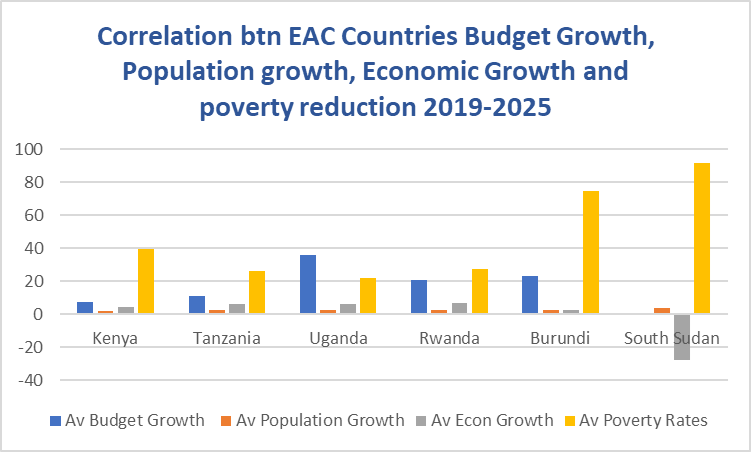
Graph showing Budget Expenditure growth, population, economic growth and Poverty reduction trends

Figure 1:  GEPC Research Data analysis

Despite what looks like well-structured priority sectors, the expanded budgetary expenditures are yet to be reflected in the pockets of ordinary citizens.

What is ideal budget and economic growth rates to cut poverty

Based on the World Bank and Africa Development bank projections, the national budget are ‘modest’ and insufficient to cut poverty. To put a dent in the poverty rates at the current population growth rates, the economic growth would need to be sustained between 7-10% for a period of about 5 years.  To achieve that level of sustained growth the budget expansion rates would require to consistently remain between 15-30%. The governments would require to target high fiscal multiplier efficiency.

With the current budget proposals, projected revenue collections and expenditure priorities characterized by significant portions of the national budgets spent on recurrent expenditure (salaries) and debt serving, achieving poverty reduction and economic justice targets in the EAC countries are unattainable.

Limitations to achieve ideal budget expansions and equitable economic growth for poverty reduction

Moreover, EAC countries’ economies and tax plans are still exposed to large external debts and vulnerable to internal and external shocks.  In 2023 Kenya and Uganda experienced violent tax protests. The DRC, Rwanda, Burundi and South Sudan are still affected by conflicts that have stagnated their economic progress.

Rwanda plans to on fiscal consolidation with a reduction from 28.7% of GDP in 2025/26 to 27.8% of GDP in 2026/27 and projected economic growth of approximately 7.1% to 7.5% in 2026, driven by strong performance in services, industry, and continued public investment. However, these plans and growth trajectories are negatively affected by an ongoing conflict in the Eastern DRC which has adverse effects on Rwanda mining and tourism sector.

The DRC and South Sudan struggled to pass their last budgets on time while Burundi has struggled to service a huge external debt burden. The country heavily relies on domestic revenue (including occasion tax hikes on imports and services) and borrowing from domestic banks due to fiscal constraints and lack of external support. The Burundi, DRC and South Sudan experience demonstrate the tragedy of conflict, economic exclusion and meeting public economic expectations in time of crisis.

The high poverty rates, persistent conflicts and failure or delayed passing of the national budgets in our conceptualization constitutes a breach in public expectations, exacerbates the distance between the state and the public, creates further civil apathy and failure to deliver economic outcomes, which can lead to a vicious cycle of poverty economic exclusion, more conflicts and eventual state collapse.

Implications of US, Israel and Iran war on budget and regional economic outlook

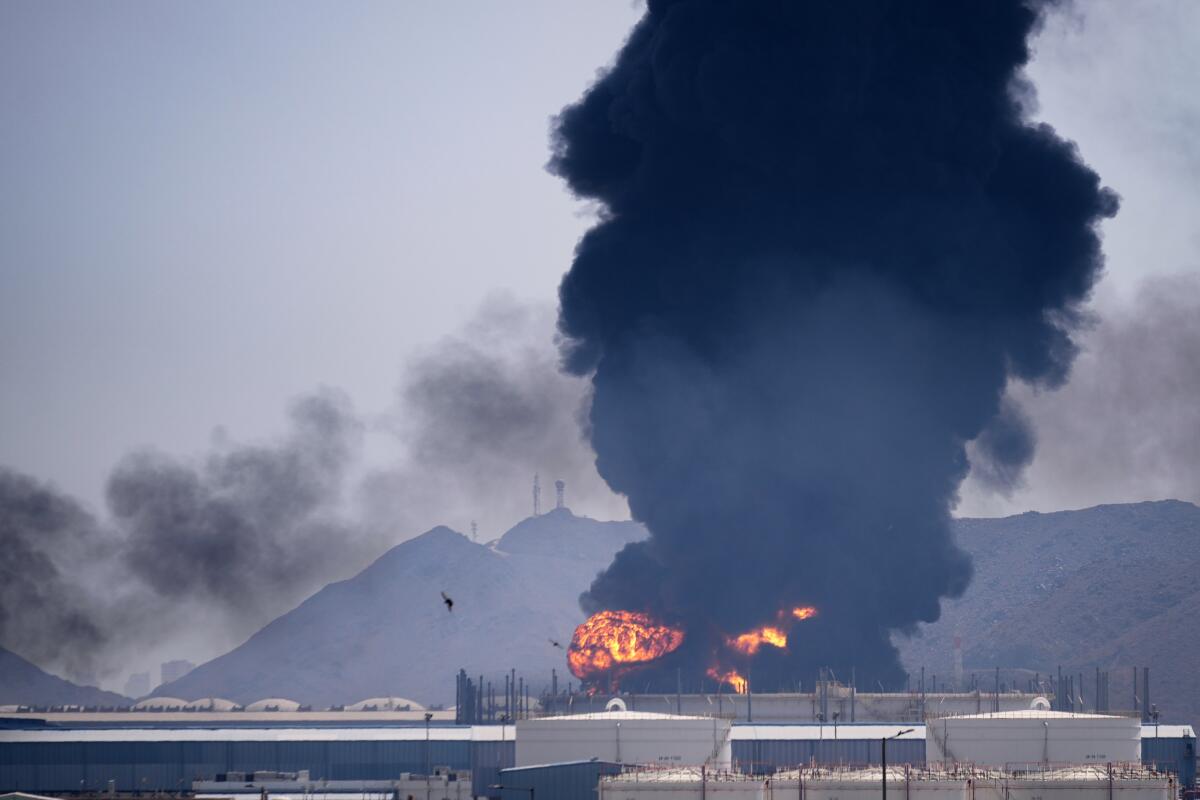
The ongoing US, Isreal and Iran war characterized with a spike in oil and gas prices and logistics supply chain disruptions in its first days, will affect energy outlook, may thwart economic growth projections and budget plans in the short and midterm. The impacts will be worse if the war continues for more than six months.

Photo credit: Los Angles Times

The EAC and Middle East economic nexus

The EAC economy has been increasingly integrated with the Middle East, particularly, the Gulf Cooperation Council (GCC) like the UAE and Saudi Arabia through a combination of high-volume trade, strategic infrastructure and financial aid. Since 2015 the Middle East has become to the top logistical hub and EAC’s export partners and The EAC is energy import reliant on the Middle East for petroleum products and Uganda and Kenya have signed fuel agreements to manage supply for potential disruptions. The GCC countries provide aid, infrastructure investment and currency stabilization facilities as was the case with the Kenya-UAE loan in 2025.

EAC countries have struck strategic partnerships beyond commerce. Gulf capital is present in infrastructure investments such as modernization of ports roads and sovereign investments focusing of mining, agriculture, forestry and tourism. This has increased aid dependence and debt exposure to gulf financing. Moreover, the over reliance on Gulf petroleum imports leaves EAC countries’ economies industrial production and transport sectors locked to the gulf and vulnerable to any shocks from the region.

Various models indicate there is a positive correlation of GDP elasticity with respect to world oil prices (i.e the ratio between percentage change in GDP and percentage change in World oil prices).  Prolonged high oil prices test global resilience, raising risks for growth, inflation and monetary policy. A 10% increase in oil prices, if sustained for most of the year, is estimated to reduce global economic output by approximately 0.2% and increase global inflation by about 0.4%. This acts as a tax on consumers and increases business production costs, slowing down growth in oil-importing economies.

An increase of 25% would lead to 0.5% loss in GDP and an increase by 50% will lead to 1% of loss of GDP. A doubling of oil prices can cause up to 14% of loss of economic outputs in countries over the years. In less developed countries like those in the EAC, where agriculture sector is the key contributor to GDP and the sector Is relatively less oil intensive due to less developed countries. However, the percentage of GDP loses in these countries are still higher compared to those of developed countries.

Based on these projections, we can the following risks and implications.

Key risks and implications

  1. Higher energy costs and disrupted logistics and generalized economic confidence shocks that will constitute meaningful drag on economic growth projects to slow down in Q4 of the 2025/26 budgets and Q1 and Q2 of the 2026/27 budgets and generally a gloomy economic outlook if the war continues for more than six months.
  1. Middle East export and import market disruptions affecting largely EAC’s agriculture sector, which is the major economic growth driver. The war has affected exports from the middle east of Ammonia and Sulphur, which are vital ingredients for the production of fertilizers, a vital product supporting the agricultural sector.
  1. Potential decline in aid, infrastructure investments and budget support from the Middle East as the GCC look inwards to finance their defence and war efforts. This will also trigger an aid squeeze from other regional blocks such as the EU as they focus on protecting Europe.
  1. Geopolitical pressures for realignment as the major contending powers the US and Isreal pressure EAC countries to choose sides, given some of their historical strategic and cultural relationships with Iran as a source of energy.
  1. The war represents in my theoretical construction a parody of the ‘Economic Big Boss and the Babies’, in international relations where the larger economic powers dictate the terms and the ‘babies’ deal with the negative consequences irrespective of their will, choice, location and contribution. In this construction of international relations one dominant state or group of states acting in consent and consort and through various means including state craft create an asymmetrical power relation with others analogous to a ‘Parent and baby relationship, where the stronger power exerts its spere of dominance beyond the physical and juristic territorial boundaries as recognized under international law, compelling the weaker states to act and respond to demands, desires, actions and geopolitical effects  of the bigger state.
  1. The world is yet to fully recover from the loss of markets and inflationary pressures the US global tariffs and were working towards realignment of new trading partners in the middle east. This war will add uncertainty to this economic quagmire. As the global economy snarls and slags, the EAC economies could follow too, albeit with levels and pace.
  2. The success of the US and its allies in the middle could increase appetite for it to attack elsewhere setting in motion a spiral of violence, war and economic disruptions around the world. It is widely believed that the US’s success in Venezuela and Isreal’s success in Palestine and Lebanon could have motivated its attack of Iran.

Key recommendations

Tax and budgetary actions.

Reclaim public trust and social contracts to serve via a just, fair and equitable taxes and redistributive budgetary policies.

To mitigate the unequitable distributed economic growth and achieve East Africa’s budget trajectory and economic outlook will require something beyond the traditional ‘invisible hand’ economic theory approach to correct.  The traditional approach suggests free markets naturally achieve optimal efficiency.

Keynesian economics fundamentally challenges the traditional “invisible hand” concept, arguing instead that economies can get stuck in prolonged recessions. Keynes believed the “hand” is not self-regulating during crises, necessitating active government intervention (fiscal policy and other interventions) to manage booms and busts or serious economic disruption.

Strategic recommendations

  • Pursue intra Africa regional trade so as to shelter against external shocks in the middle east
  • Increase investment in renewable energy sources to reduce over reliance from Middle East fossil petroleum
  • Pursue new geopolitical realignments to hedge against the potential fall out and of the middle east and other turbulent blocks

[i] World Bank Group: Poverty and Equity brief, Sub-Saharan Africa, Tanzania April, 2020 available at : https://databankfiles.worldbank.org/public/ddpext_download/poverty/33EF03BB-9722-4AE2-ABC7-AA2972D68AFE/Global_POVEQ_TZA.pdf#:~:text=Using%20the%20international%20extreme%20poverty%20rate%20of,people%20are%20considered%20poor%20along%20this%20line.

[i] The Standard Newspaper; Why majority of Nairobi residents can no longer afford to eat,  February, 08, 2025, available, at https://www.standardmedia.co.ke/national/article/2001511317/why-majority-of-nairobi-residents-can-no-longer-afford-to-eat


[ii] Apolo Rosabella, Strengthening food and nutrition security in Nairobi’s informal settlements, Africa Cities Research Consortium (ARC), February, 2024 available: https://www.african-cities.org/new-paper-strengthening-food-and-nutrition-security-in-nairobis-informal-settlements/#:~:text=New%20paper:%20Strengthening%20food%20and%20nutrition%20security%20in%20Nairobi’s%20informal%20settlements,-Feb%208%2C%202024&text=Since%20independence%2C%20Kenya%20has%20grappled,residents%20of%20low%2Dincome%20households.