Enhancing the Viability of NDCs in East Africa: Assessing Progress, Gaps and path to net zero

Author: Nader Khalifa, Researcher, Governance and Economic Policy Centre*, December 2025

Introduction: COP30 as the Implementation Milestone

The COP30 in Belém – Brazil marked a critical milestone, being framed as the Implementation COP,” arriving a decade after the signing of the Paris Agreement and returning to Brazil over 30 years since the landmark 1992 Earth Summit. The COP concluded with some proclamations on Just Transition Mechanism and adoption of Global Goal on Adaptation (GGA) indicators, and increased focus on nature and finance but little radical actions to tame the climate crisis under 1.5°C target.

Despite the milestones, global implementation remains off-track, with countries collectively failing to reduce emissions and scale resilience at the pace required. The climate crisis is still treated with suspicion, geopolitical jostling and underfunded, highlighting a clear gap between ambition and action. Only small share around 12–15% of European climate finance is accessible to the poorest and most climate-vulnerable African countries, far below their share of climate risk and need (OECD, 2023). In East Arica, analysis of climate adaptation finance shows that approximately 52.7 % of funds committed for adaptation were actually disbursed between 2009 and 2018 (Savvidou et al., 2021).

This paper assesses the state of global progress on Nationally Determined Contributions (NDCs), with a particular focus on East African countries—Kenya, Uganda, Tanzania, and Rwanda. It further compares the level of NDC implementation and financial support needs in these countries against the climate finance commitments and disbursements of selected European nations, evaluating whether NDCs remain viable tools for achieving the Paris Agreement objectives, identifying gaps, and proposes strategic recommendations to strengthen their viability in achieving Paris Agreement goals.

Global NDC Assessment: Are We on Track for Paris Targets?

According to the UNFCCC’s latest NDC Synthesis Report (2023–2024), global emissions remain far above Paris-aligned trajectories. Current NDCs collectively put the world on a 2.4–2.6°C warming path far from the 1.5°C target (UNEP, 2023).

NDC Implementation Gap: Structural Barriers and Evidence of Underperformance

Although East African countries have strengthened their Nationally Determined Contributions (NDCs) since 2015—many increasing mitigations ambition by over 20–30% and expanding adaptation priorities—the region continues to face a widening implementation gap as real-world emission reductions have not followed at the required scale. This gap reflects both systemic constraints and insufficient translation of political commitments into measurable action and raises serious questions about whether NDCs, as currently designed, can deliver the Paris outcomes.

Key Implementation Gaps and Challenges

High dependence on external climate finance

  • Most East African NDCs rely on 70–90% external financing, particularly for adaptation and energy transition.
  • The region collectively requires more than USD 280–300 billion by 2030, yet receives less than 12%–15% of that annually (AfDB, 2023).
  • Adaptation finance alone is underfunded by over USD 2.5 billion per year across the region (GCA, 2023).

Limited progress in translating NDC commitments into sectoral action

  • Updated NDCs include ambitious mitigation targets—such as Kenya’s 32% by 2030, Uganda’s 22%, and Ethiopia’s conditional 68%—yet emissions continue to rise in transport, agriculture, and industry.
  • Only 20–30% of planned mitigation actions are currently being implemented at scale.

Weak MRV systems and institutional capacity

  • More than 70% of East African countries lack fully operational MRV systems across energy, agriculture, and waste sectors.
  • Inadequate data collection and reporting reduce accountability and hinder access to climate finance, which increasingly requires robust tracking frameworks (ICAT, 2022).

Limited domestic integration and mainstreaming

  • NDCs remain insufficiently embedded in national and subnational development plans.
  • Fewer than 40% of sector ministries align annual budgets with NDC priorities, creating fragmentation and slow execution.
  • Local governments—key for adaptation delivery—receive less than 10% of the required climate financing.

Slow and complex climate finance disbursement

  • Global climate funds (e.g., GCF, GEF) take 18–24 months on average from concept to approval.
  • East Africa adaptation finance disbursement ratio (≈52.7 %), considerably below what’s needed and indicating a persistent delivery gap.
  • Private-sector investment remains below USD 4 billion per year, far short of the USD 24–30 billion needed annually.

Limited community participation in planning and delivery

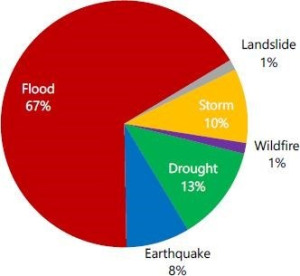
  • NDC implementation often excludes rural and climate-vulnerable communities, despite these groups experiencing more than 70% of climate impacts (floods, droughts, crop failures).
  • This reduces local ownership and increases the risk of maladaptation.

East African NDCs: Ambition, Progress, and Implementation Realities

The second generation of Nationally Determined Contributions (NDCs) in East Africa demonstrates a clear increase in ambition compared to 2015 submissions. However, implementation continues to lag far behind targets due to systemic financing, institutional, and capacity constraints. This section synthesizes the ambition levels, progress indicators, and the underlying structural barriers limiting effective delivery of NDC commitments in Kenya, Tanzania, Uganda, and Rwanda.

Ambition Levels and Emission Reduction Targets

All four East African countries have strengthened their 2030 climate commitments, reflecting enhanced sectoral coverage (Kenya: Energy, agriculture, LULUCF, transport, waste, Tanzania: Energy, transport, forestry, waste, Uganda: Energy, forestry, agriculture, Rwanda: Energy, industry, waste, agriculture) and improved quantification of mitigation and adaptation actions.

These targets indicate rising ambition; however, nearly 80–90% of planned mitigation outcomes remain dependent on external finance, highlighting an imbalance between national ambition and the available resource base.

  • Implementation Status: Progress and Performance

Despite strong stated ambition, real implementation remains uneven and significantly below required trajectories. Key observations include:

Positive Developments

  • Kenya continues to lead the region in renewable energy deployment, with geothermal providing over 40% of total power generation, complemented by utility-scale wind and solar.
  • Rwanda operates one of the most advanced MRV systems in Africa, integrating national inventories, sectoral reporting templates, and verification frameworks.
  • Tanzania and Uganda have made notable progress in adaptation planning, particularly in agriculture, water, and disaster risk management.

However, progress falls short of NDC trajectories due to:

  • Delayed and unpredictable international climate finance disbursement, especially for adaptation.
  • Limited mainstreaming of NDCs, with weak integration into national development plans, sectoral strategies, and district-level programs.
  • Technical gaps in MRV, GHG accounting, emissions modeling, and data management.
  • Insufficient private sector participation due to regulatory uncertainty, weak incentives, and few bankable climate projects.

Overall, implementation progress remains slow, fragmented, and insufficient to place the region on a Paris-aligned trajectory.

Climate Finance Needs, Delivery, and the Widening Gap

East African NDCs require substantial financing for both mitigation and adaptation. Country estimates highlight an urgent mismatch between required and delivered resources:

Evidence of the Finance Gap

  • East Africa receives less than 12% of Africa’s total climate finance inflows (CPI, 2024).
  • Adaptation finance remains below 30% of total flows to the region, despite East Africa being among the world’s most climate-vulnerable regions (Brookings Institution, 2022).
  • GCF projects in East Africa face approval timelines averaging 24–36 months, slowing implementation of urgent projects.
  • National institutions struggle to meet stringent fiduciary and documentation requirements of major climate funds.

Institutional, Governance, and Capacity Constraints

Several deep-rooted challenges hinder NDC implementation:

Institutional Challenges

  • Weak MRV systems in several countries limit tracking, reporting, and verification of progress.
  • Fragmented inter-ministerial coordination, especially between energy, finance, agriculture, and environment ministries.
  • Data deficits in key sectors (LULUCF, agriculture, off-grid energy, transport), affecting GHG inventory accuracy.

Governance and Operational Gaps

  • Limited local government engagement, despite significant adaptation actions being subnational.
  • Low public participation, particularly in rural and climate-vulnerable communities.
  • Few mature, bankable projects, leading to under-utilization of available finance windows.
  • Private sector climate investment remains below 15% of total climate finance in East Africa.

Collectively, these challenges reinforce the structural implementation gap, limiting the region’s ability to translate Paris ambition into real, measurable outcomes.

International Climate Finance Support: European Commitments vs. Delivery

    • Pledges vs. Delivered Finance

European countries — led by Germany, France, the EU, and the UK — collectively pledge significant climate finance to Africa. However, the delivery gap remains substantial:

  • OECD data show that while European donors reported USD 34–36 billion in climate finance annually (2019–2022), the actual disbursements to African LDCs were less than USD 9–11 billion.
  • Only around 12–15% of European climate finance is accessible to the poorest and most climate-vulnerable African countries.
  • Adaptation finance remains critically low: in 2022, EU institutions allocated only 27% of their climate finance to adaptation—far below the 50% target encouraged by COP26 and COP27 decisions.
  • The UNFCCC Standing Committee on Finance confirms a USD 1.2–1.3 trillion cumulative finance gaps for African NDCs by 2030.
  • According to a report by FSD Africa, the average disbursement ratio for climate finance in Africa is 79%, which includes both mitigation and adaptation flows CPI (2022).
  • According to Stockholm Environment Institute (SEI) data, adaptation finance for African countries was disbursed at an average rate of 46%, compared to 56% for mitigation finance.
  • The Landscape of Climate Finance in Africa (2024) report from the Climate Policy Initiative (CPI) estimates that adaptation finance flows to Africa rose from USD 11.8 billion in 2019/20 to USD 13.8 billion in 2021/22.

Misalignment with African Priorities

European finance is still mitigation-heavy, although Africa’s most urgent needs relate to adaptation:

  • More than 65–70% of EU climate finance to Africa goes to mitigation sectors (renewables, energy efficiency).
  • Adaptation sectors such as agriculture, water management, early warning systems, and climate-resilient infrastructure receive less than 30%.
  • UNEP’s Adaptation Gap Report indicates that adaptation finance globally is also constrained, Analyses show that a large majority of adaptation actions identified in African NDCs remain unfunded or underfunded, with only around 20–23% of adaptation needs being met by climate finance flows, leaving substantial gaps for implementation. (UNEP Adaptation Gap Report 2023).
  • The African Development Bank estimates that Africa needs USD 52–57 billion/year in adaptation finance but currently receives less than USD 11.4 billion/year.
    • Systemic Barriers Limiting Access to European & Multilateral Funds

African LDCs face structural constraints that prevent them from accessing European climate finance effectively:

  • Approval cycles for GCF and GEF projects routinely takes time, delaying implementation.
  • High fiduciary standards, financial reporting requirements, and bankability tests result in rejection or delays for NDC-aligned proposals.
  • Only 14 African national institutions are currently accredited to the GCF, limiting direct access.
  • Less than 5% of readiness funding reaches local MRV institutions, leading to persistent data gaps.
  • Technical assistance for NDC implementation—planning, monitoring, tracking, and verification—remains insufficient for most countries.

This combination makes African NDCs remain “ambitious on paper, underfunded in practice.”

Why NDCs Still Matter

Despite finance and implementation challenges, NDCs remain central to Africa’s climate and development future because they:

  • Define and update national climate ambition every five years;
  • Guide investment pathways in mitigation and adaptation;
  • Anchor national development plans to climate-resilient trajectories;
  • Serve as the main framework for accessing climate finance;
  • Provide structure for reporting under the Enhanced Transparency Framework.

Strengthening NDC design, financing, MRV, and implementation support is fundamental post-COP30, where countries are expected to raise ambition and demonstrate credible progress.

Policy Recommendations

To close the growing implementation gap and ensure that East African NDCs deliver measurable climate outcomes, the following evidence-based policy actions are proposed. These recommendations strengthen institutional capacity, enhance climate finance access, accelerate sectoral mainstreaming, and improve accountability post-COP30.

  • Strengthen Institutional and Technical Capacity
  • Establish Dedicated NDC Implementation Units

Create permanent, inter-ministerial NDC coordination units mandated to align sectoral policies, oversee progress, and engage with development partners.

  • Upgrade MRV Systems and Technical Competencies

Invest in end-to-end MRV systems—GHG inventories, mitigation tracking, adaptation metrics, and digital monitoring tools—while providing continuous training for sector ministries.

  • Develop National Climate Data Repositories

Build centralized climate data platforms for agriculture, energy, transport, and land use to enhance evidence-based policymaking and transparency.

  • Enhance Climate Finance Mobilization and Access
  • Formulate National Climate Finance Strategies:

Align domestic priorities with the eligibility criteria of the GCF, GEF, Adaptation Fund, and bilateral donors to improve approval rates and reduce project rejection.

  • Increase Readiness and Project Preparation Funding

Expand participation in GCF Readiness, NDC Partnership support, and GEF capacity-building programs to address limited pipeline of bankable projects.

  • Promote Blended Finance and Private Sector Mobilization

Introduce policy incentives for green bonds, guarantees, concessional loans, and PPPs to unlock long-term mitigation and adaptation investments.

  • Advocate for Simplified Access Windows for LDCs

The future COPs must negotiate streamlined procedures, reduced documentation requirements, and faster approval timelines for LDC and fragile countries.

  • Mainstream NDCs into National and Local Development Planning
  • Integrate NDC Targets into National Budgets and Sector Plans

Embed climate actions in annual budget cycles, Medium-Term Expenditure Frameworks, and district/county development plans.

  • Establish Performance Indicators for Line Ministries

Link ministerial scorecards and KPIs with measurable NDC outcomes to strengthen accountability and accelerate implementation.

  • Embed Adaptation into Core Sectors

Ensure NDC-aligned adaptation actions are systematically integrated into agriculture, water, health, infrastructure, and urban planning frameworks.

  • Scale Up Community and Citizen Participation
  • Adopt Community-Based Adaptation (CBA) Frameworks

Expand participatory adaptation programs in rural and climate-vulnerable regions, supported by local extension systems.

  • Link Rural Development Programs to NDC Outcomes

Prioritize climate-smart agriculture, reforestation, watershed management, and off-grid energy in rural development interventions.

  • Strengthen Gender and Youth Inclusion

Mandate gender-responsive planning and youth representation in NDC committees, local climate governance, and project implementation.

  • Enhance Regional Cooperation and Knowledge Exchange
  • Establish a Regional MRV and Knowledge Platform

Under the East African Community (EAC), create a shared platform for data exchange, methodologies, and best practices on GHG inventories and sectoral MRV.

  • Promote Cross-Border Renewable Energy Corridors

Accelerate regional geothermal, hydro, and solar initiatives, along with power-pool integration and transmission infrastructure.

  • Strengthen Transboundary Ecosystem Management

Improve joint management of critical basins—Lake Victoria, the Nile, and rangeland ecosystems—to enhance resilience and disaster risk reduction.

  • Improve Transparency, Governance, and Accountability
  • Publish Annual NDC Implementation Reports

Introduce open-access dashboards that track emissions, adaptation progress, climate finance flows, and project delivery.

  • Create Independent Oversight Mechanisms

Establish multi-stakeholder oversight bodies involving civil society, academia, and the private sector to review progress and recommend corrective actions.

  • Mandate Public Disclosure of Climate Finance

Require transparent reporting of all international and domestic climate finance flows, including donor commitments, disbursements, and utilization.

About the Author: Nader Khalifa is an engineer and energy professional with over 15 years of expertise in the energy and petroleum sectors. He currently serves with the Ministry of Energy & Petroleum of Sudan, in addition to his role as a Sudan Team Member for the Initiative on Climate Action Transparency (ICAT) project, a collaborative effort involving UNEP, CCC, and HCENR, and a distinguished researcher and a Colosseum Member at the Governance & Economic Policy Centre (GEPC).

References

  1. African Development Bank (AfDB) (2023). Climate finance in Africa: Overview and outlook. Abidjan: African Development Bank Group.
  2. Brookings Institution (2022). Finance for climate adaptation in Africa: Still insufficient and losing ground. Brookings Global Economy and Development Program. Available at: https://www.brookings.edu/articles/finance-for-climate-adaptation-in-africa-still-insufficient-and-losing-ground/.
  3. Climate Policy Initiative (CPI) (2024). Landscape of climate finance in Africa. London: Climate Policy Initiative. Available at: https://www.climatepolicyinitiative.org/publication/landscape-of-climate-finance-in-africa-2024/.
  4. FSD Africa & Climate Policy Initiative (CPI) (2022). Landscape of climate finance in Africa. Nairobi: FSD Africa. Available at: https://fsdafrica.org/wp-content/uploads/2022/09/1.-Landscape-of-Climate-Finance-in-Africa-l-Full-report.pdf 
  5. Global Center on Adaptation (GCA) (2023). Africa’s adaptation gap: Climate finance needs and priorities. Rotterdam: Global Center on Adaptation. Available at: https://gca.org/reports/state-and-trends-in-adaptation/.
  6. Government of Kenya (2020). Updated Nationally Determined Contribution. Nairobi: Ministry of Environment and Forestry.
  7. Government of Rwanda (2020). Updated NDC Submission. Kigali: Ministry of Environment.
  8. Government of Tanzania (2021). Updated Nationally Determined Contribution. Dodoma: Vice President’s Office.
  9. Government of Uganda (2022). Second Nationally Determined Contribution. Kampala: Ministry of Water and Environment.
  10. ICAT (2022). Guidance for Transparency Frameworks in LDCs. Copenhagen: Initiative on Climate Action Transparency.
  11. IPCC (2022). AR6 Working Group III: Mitigation of climate change. Geneva: Intergovernmental Panel on Climate Change. Available at: https://www.ipcc.ch/report/ar6/wg3/.
  1. Nature (2025). Reframing climate finance for Africa. Available at: https://www.nature.com/articles/d44148-025-00353-5
  1. OECD (2023). Climate finance provided and mobilised by developed countries in 2013–2021. Paris: Organisation for Economic Co-operation and Development. Available at: https://www.oecd.org/environment/climate-finance-provided-and-mobilised-by-developed-countries.htm.
  2. Savvidou, G., Atteridge, A., Omari-Motsumi, K. and Trisos, C. (2021). Quantifying international public finance for climate change adaptation in Africa. Stockholm: Stockholm Environment Institute. Available at: https://www.sei.org/publications/climate-finance-adaptation-africa/.
  1. Stockholm Environment Institute (SEI) (2024). How effective is climate finance in assisting farmers in low- and middle-income countries adapt to climate change? Available at: https://www.sei.org/features/how-effective-is-climate-finance-in-assisting-farmers-in-low-and-middle-income-countries-adapt-to-climate-change/
  2. UNEP (2023). Adaptation Gap Report 2023: Underfinanced, underprepared. Nairobi: United Nations Environment Programme. Available at: https://www.unep.org/resources/adaptation-gap-report-2023
  3. UNFCCC (2023). Nationally Determined Contributions synthesis report. Bonn: United Nations Framework Convention on Climate Change. Available at: https://unfccc.int/ndc-synthesis-report-2023


Sustainable Energy Policy, Regulation and Green Economy finance course 2026-Applications open

Gain skills, Accelerate the Energy Transition in Africa!
Join the Sustainable Energy Policy, Regulation and Green Economy Financing Course to gain the knowledge, tools, and skills to shape policies, drive regulatory reforms, and unlock financing for clean, reliable, and equitable energy. Designed for policymakers, civil society leaders, private sector actors, and finance professionals, this course equips you to tackle climate change, expand energy access, and lead a just and inclusive green economy. Take action today and be part of the transformation powering Africa’s sustainable future.

The GEPC sustainable Energy Policy, Regulation and Green Economy Financing Course Equips policy makers, civil society leaders, private sector stakeholders, and financial professional’s with the knowledge and practical skills to drive Africa’s reduction of energy poverty, transition to clean, reliable , and equitable energy system.  Against the backdrop of climate change and persistent energy access challenges, the course addresses critical gaps in policy formulation, regulatory frameworks, advocacy and financing mechanisms.

Participants will gain tools to design and implement sustainable energy policies, promote inclusive governance, mobilise investments for green projects and support a just and resilient energy transition that fosters economic growth, social equity and environmental sustainability.

Course Background and Context

Climate change presents an urgent global challenge, with the most severe impacts disproportionately affecting less developed countries in East Africa and Africa generally. Despite international commitments under the Paris Agreement and subsequent UN Climate Conferences (CoP27 and CoP28), developing countries face significant barriers in accessing technology, finance, and expertise to transition to clean energy. Global climate governance often leaves low-income countries under-resourced and underrepresented, creating complex challenges for equitable and just energy transitions.

In Eastern Africa and Africa generally, policy frameworks and regulatory mechanisms for sustainable energy remain underdeveloped, poorly communicated, and inadequately enforced. This has created critical gaps in governance, technical capacity, and financing, limiting the country’s ability to expand clean energy access, reduce emissions, and achieve its climate commitments. Strengthening national capacity, promoting citizen engagement, and enhancing advocacy for policy reform are therefore essential to support a just and inclusive energy transition.

Sustainable energy is central to meeting these challenges. Defined as clean, reliable, affordable, and equitable, sustainable energy supports national development needs while minimizing environmental harm and fostering long-term economic, social, and environmental sustainability. Integrated sustainable energy systems combine renewable sources—such as solar, wind, hydro, geothermal, and biomass—with modern technologies, smart grids, and storage solutions to deliver energy efficiently, reduce greenhouse gas emissions, and expand access to underserved communities.

Continentally, Africa continues to face significant energy access deficits, with approximately 600 million people lacking reliable electricity and 970 million without access to clean cooking solutions. Only about 25% of electricity in the region comes from renewable sources, despite Africa possessing around 60% of the world’s best solar potential. These gaps highlight the urgent need for effective policy, regulation, and financing strategies to mobilize investment, accelerate energy transition, and achieve energy equity.

Efforts and Challenges in Sustainable Energy Access and Financing

Efforts to expand access to sustainable energy, including initiatives like the World Bank Mission 300, have made progress but remain limited. Clean cooking solutions are still expensive and often inaccessible for the poorest and remote households. Expanding energy access and achieving a just transition requires policy reforms such as unbundling existing energy utilities and integrating sustainable energy systems into national, mini, and off-grid networks. Well-designed integrated systems can support public services—solar-powered water, health facilities, small businesses, electrified transport, housing, and modernized agriculture—while reducing reliance on fossil fuels.

Investment in clean energy has grown modestly over the past two years, including multilateral and private sector contributions, yet financing remains far below what is needed. Critical questions persist: how can governments and private sector actors scale investments in sustainable energy systems, and which models are best for advancing clean energy and other renewable technologies in Africa?

Globally, the energy sector is rapidly shifting toward renewables, with record growth in 2023 reaching 3,870 GW of installed capacity (IRENA, 2024). Countries are adopting Nationally Determined Contributions (NDCs) to guide climate adaptation and mitigation at the national level, supported by financing mechanisms like carbon trading, multilateral funds, and private sector investments.

However, in Eastern Africa and Africa generally, limited knowledge and expertise hinder the ability of governments, civil society, and private actors to navigate evolving global energy policies and regulatory frameworks. Accessing climate finance and developing bankable green economy projects remains challenging. Consequently, strengthening skills, policy understanding, regulatory capacity, and financing literacy is critical to accelerate the transition to sustainable clean energy and scale up investment in the green economy, providing jobs and sustainable development.

This course is designed to equip public policymakers, civil society actors, private sector stakeholders, and financial institutions with the knowledge, skills, and tools to shape and implement sustainable energy policies, advance regulatory reforms, and unlock financing for a just and equitable green economy.

Skills Gap Analysis and Justification

The transition to sustainable and clean energy in Eastern Africa and across the Africa region is constrained by a critical shortage of technical knowledge, policy expertise, and institutional capacity. Various engagements between the Governance and Economic Policy Centre (GEPC), civil society organizations, and government institutions have consistently highlighted the need for targeted capacity building to accelerate policy, regulatory, and financing reforms that support the energy transition.

Identified Skills Gaps

In 2022, the Governance and Economic Policy Centre in collaboration with one of its international partners, attempted to form a National Multisector Reference Group on Energy Transition in Tanzania as a bespoke platform for policy dialogue, advocacy, and capacity development.  The feedback and lessons drawn from this process demonstrated an urgent need for renewed capacity-building and leadership in this area. A subsequent short skills gap study commissioned by GEPC in 2024 identified several critical weaknesses among key stakeholder groups:

  • Government officials and legislators lack the technical expertise to design, implement, and monitor effective sustainable energy policies and laws.
  • Civil society organizations have limited knowledge of the global political economy of climate change and energy, limited advocacy, analytical, and policy engagement skills to effectively influence decision-making and accountability mechanisms.
  • Private sector actors struggle to identify, develop, and present bankable renewable energy projects.
  • Financial institutions face challenges in evaluating, matching, and financing sustainable energy investments.
  • Overall political will and coordination for driving sustainable energy transition remain weak and fragmented.

Rationale for the Course

In response to these systemic capacity gaps, GEPC has designed the Sustainable Energy Policy, Regulation and Green Economy Financing Course to strengthen the technical and institutional foundations for an inclusive and just energy transition. The course directly addresses the need for:

  • Enhanced policy and regulatory understanding among public officials and other key stakeholders.
  • Improved advocacy and engagement capacity for civil society and community actors.
  • Strengthened financial literacy and investment readiness within the private and banking sectors.
  • Greater collaboration and coherence among energy sector stakeholders.

This course addresses these gaps by equipping policymakers, civil society actors, private sector professionals, and financial institutions with the knowledge, skills, and tools to shape sustainable energy policies, advance regulatory frameworks, and mobilize financing for a just and inclusive green economy.

Course Approach

The program will be delivered as an extended seven-week modular course.  It will be facilitated by a diverse faculty of experts drawn from GEPC technical ecosystem, global partners and experts, combining practical experience, policy insights, and technical expertise.

Through a blend of lectures, case studies, simulations, and interactive sessions, the course will equip participants with the knowledge and tools necessary to shape effective policies, foster accountability, and mobilize financing for sustainable and equitable energy development.

Course Objectives

The course aims to:

  1. Enhance understanding of sustainable energy policy, regulatory frameworks, and governance mechanisms relevant to Tanzania and the region.
  2. Develop technical and analytical capacity among policymakers, civil society, and financial sector actors to support the design and implementation of effective energy transition strategies.
  3. Strengthen advocacy and policy engagement skills for civil society to influence public policy and regulatory reform processes.
  4. Improve knowledge of financing mechanisms and models for mobilizing investment in renewable and green economy projects.
  5. Foster collaboration and policy coherence among government, civil society, private sector, and financial institutions in advancing a just and inclusive energy transition.
  6. Promote innovation and leadership in sustainable energy planning, implementation, and financing.

Expected Outcomes

Upon completion of the course, participants will be able to:

  • Demonstrate a clear understanding of the policy, legal, and regulatory dimensions of sustainable energy and green financing.
  • Apply analytical and strategic tools to develop and implement effective energy transition policies and projects.
  • Understand the global political economy of sustainable energy, engage more effectively in policy dialogue, advocacy, and accountability processes related to the energy sector.
  • Identify, design, and evaluate bankable clean energy projects suitable for public and private investment.
  • Strengthen institutional coordination and stakeholder collaboration for integrated and sustainable energy governance.
  • Contribute to building national and regional momentum for a just, inclusive, and climate-resilient energy future.

Course Content and Modules Overview

The Sustainable Energy Policy, Regulation and Green Economy Financing Course is designed to provide participants with both conceptual understanding and practical tools for influencing, designing, and implementing sustainable energy solutions. The course content is structured into seven interlinked modules, each addressing a critical dimension of sustainable energy and the energy transition.

Weekly Modules

Objectives, expected competence

Module 1: Understanding Sustainable Energy and the Global Energy Transition

Objective: To provide a foundational understanding of sustainable energy systems, their global dynamics, and relevance to Eastern Africa and Africa’s development agenda.

Key Topics:

  • Concepts and principles of sustainable energy and just transitions
  • Global energy transition: drivers, trends, challenges
  • Overview of emerging trends in renewables and energy efficiency technologies
  • Global and regional energy transition frameworks (UNFCCC, Paris Agreement, SDGs, NDCs and Agenda 2063)
  • Energy access, poverty, and development linkages
  • Eastern Africa and Africa’s energy context and policy landscape

Expected Competence: Participants will gain an informed understanding of the global and national energy transition landscape and how it aligns with sustainable development goals.

Module 2: Policy, Legal and Regulatory Frameworks for Sustainable Energy


Objective: To build participants’ knowledge of the policy and legal frameworks governing sustainable energy.

Key Topics will cover:

  • Global energy policy debates in the context of energy access and transition
  • National and regional policy and legal frameworks in the context of global energy
  • Energy Policy formulation processes and regulatory designs
  • Energy Policy tools: subsidies, tariffs, carbon pricing, auctions
  • Regional integration and power pools (e.g., EAPP, WAPP, SAPP)
  • Institutional coordination and governance mechanisms
  • Role of legislature and local governments in sustainable energy governance
  • Gender, equity, and social inclusion in energy policy

Expected Competence: Participants will be equipped to analyze, interpret, and contribute to policy and regulatory reform in the energy sector.

Module 3: Financing the Green Economy and Renewable Energy Investments, project development & bankability


Objective: To enhance understanding of green financing mechanisms, instruments, practical competencies, and strategies for developing financeable projects, mobilizing, manage and analyze green financing.

Key Topics:

  • Global Climate Change and green economy financing terrain
  • Geopolitics of climate financing and energy diplomacy
  • Principles of green economy and sustainable finance
  • Financing models for renewable energy (public, private, PPPs, and blended finance), Green bonds, blue bonds, climate funds, carbon markets, carbon swaps and JTEPs

·        Project feasibility studies, project modeling, preparation, operations and risk management

  • Mobilizing domestic and international finance for energy projects
  • Role of National Capital & Money markets, Green Banks, DFIs and MDBs (World Bank, AfDB, TDB)
  • Clean Energy Financing Contracts

Expected Competence: Participants will understand the clean energy financing terrain, acquire practical skills and tools to analyze clean energy financing texts, developing, and evaluating bankable renewable energy projects and access appropriate financing channels 

Module 4: Governance, Equity & Environmental Safeguards


Objective: To understand the governance, equity & environmental safeguard concerns underlying the transition to sustainable energy.

Key Topics:

    • Social and environmental concerns and safeguards
    • Responsible Business Conduct in Energy sector
    • Just Transition: equity, gender, community inclusion
    • Governance and anti-corruption in energy financing

Expected Competence: Participants will gain insights into the advocacy concerns and suitable policy and regulatory responses to just energy transitions and financing of sustainable energy. 

Module 5: Communication, Advocacy, Accountability and Stakeholder Engagement


Objective: To strengthen participants’ advocacy, negotiation, and communication skills for influencing policy and ensuring accountability in energy governance.

Key Topics:

  • Communication for sustainable energy
  • Principles and tools of policy advocacy and public engagement
  • Strategies for evidence-based advocacy and coalition building
  • Role of civil society, media, and academia in energy governance
  • Public participation and citizen accountability mechanisms
  • Case studies of successful communication and advocacy in energy transition

Expected Competence: Participants will develop the skills to effectively communicate, advocate for and influence energy policies and reforms that promote transparency, inclusion, and sustainability

Module 6: Leadership, Innovation and the Future of Energy Transition


Objective: To inspire leadership and innovation in sustainable energy planning and implementation.

Key Topics:

  • Transformational leadership for the green transition
  • Africa’s leadership and priorities for sustainable energy
  • Innovation, digitalization, AI, and energy governance
  • Africa scenario planning and strategic foresight for future energy systems
  • Integrating climate resilience and just transition principles in policy and regulation

Expected Competence: Participants will gain leadership insights and strategic foresight to drive innovation, partnerships, and sustainable change in the energy sector.

Week 7: Applied Learning & Practicum


Objective: To provide participants with practical hands-on experience in operations of sustainable energy projects, designing sustainable energy projects, financeable and bankable projects, developing applicable policy briefs and advocacy communiques for sustainable energy.

  • Activities:
    • Case study presentations: participants analyze a real renewable energy project
    • Group project: draft a financing proposal or policy brief
    • Physical or Virtual Field visit (e.g., solar mini-grid, geothermal plant, wind farm) 

Delivery Methods

The course will employ a blended learning approach, integrating:

  • Expert-led lectures and interactive discussions
  • Practical case studies and simulations
  • Group work and peer-to-peer learning
  • Policy labs and project design sessions
  • Guest lectures from leading practitioners and global experts

Participants will receive digital resources, reading materials, and toolkits to support post-course application of skills in their professional contexts.

Target Participants

The course is designed for junior- to senior-level professionals and practitioners involved in energy, climate, and economic governance who play or aspire to play a role in shaping policy, regulation, and financing for sustainable energy.

It specifically targets:

  • Government officials and legislators involved in energy, environment, finance, infrastructure, and local government sectors.
  • Civil society leaders and policy advocates working on governance, climate justice, and sustainable development issues.
  • Private sector actors and project developers in renewable energy, infrastructure, and related industries.
  • Financial and investment professionals from banks, development finance institutions, and microfinance organizations seeking to understand green financing opportunities.
  • Academics and researchers working on energy policy, economics, and sustainability studies.
  • Development partners and international organizations supporting energy transition and green growth initiatives.

Diversity and Inclusion:
GEPC encourages participation from women, youth, and professionals from underrepresented groups to promote inclusivity and diverse perspectives in the sustainable energy transition discourse.

Admission Requirements

Applicants should meet the following minimum requirements:

  1. Educational Background:
    • At least a bachelor’s degree or equivalent qualification in a relevant field such as social sciences, political science, public policy, economics, law, environmental studies, engineering, communication, finance, or related disciplines.
    • Applicants with significant professional experience in the energy or governance sector will be considered in lieu of academic qualifications.
  2. Professional Experience:
    • At least one year of relevant work experience in government, civil society, academia, or the private sector, preferably in areas related to extractive sector, energy, public policy, climate & environment, media or economic development, banking and green financing
  3. Language Proficiency:
    • Proficiency in English (both written and spoken) is required, as the course will be conducted in English.
  4. Motivation Statement and CV:
    • Applicants must submit a brief statement (300–500 words) explaining their motivation for joining the course and how they plan to apply the knowledge gained in their professional setting. They must attach a short CV or resume plus a Headshot portrait photo
  5. Recommendation:
    • A letter of support from an employer, supervisor, work colleague or institutional head is encouraged but not mandatory.

Course Duration:  7 Weeks (12th January-27th February, 2026)

The course is designed with flexible delivery options to accommodate the varying needs of participants. The seven-week program structured into weekly modules, allowing participants to combine professional responsibilities with learning.

Certification

Upon successful completion of the course requirements, participants will receive a Certificate of Completion from the Governance and Economic Policy Centre (GEPC), jointly endorsed by partnering academic or professional institutions where applicable.

Course Fees: A Subsidized rate of USD 300. Limited scholarships will be available to exceptional and early bird applicants

Course Management:  Virtual & Online

Virtual delivery will be managed through GEPC’s Moodle and Google Classroom digital learning platform.

Essential Timelines

Date

Activity

3rd December

Advertising call for Applications

3rd January 2026

Deadline for Applications

7th January, 2026

Notification of selected participants

12th January 2026

Course Commencement

27th February 2026

End of Course and Graduation


How to apply:

Applications and support documents (Motivation letter, CV and Headshot photo) must be sent as a single PDF or word file by 3rd January 2026 to:  info@gepc.ortz

Climate Change action at Subnational level: Rationale for Skilling Local Government Authorities for Climate Change Action in Tanzania

By Ng’homange Merkiad James: Researcher, Governance and Economic Policy Centre

*Mr Ng’homange is a senior lecturer at the Local Government Training Institute (LGTI) at Hombolo, Dodoma

Climate change is one of the most pressing challenges facing Tanzania today, threatening livelihoods, infrastructure, and national development. Despite the growing national and global attention to climate policy, Local Government Authorities (LGAs) — the level of government closest to the people — remain inadequately skilled and resourced to respond effectively. This policy paper argues that building the capacity of LGAs is essential for translating Tanzania’s national climate change commitments into local action. It proposes targeted training, institutional support, and resource mobilization to strengthen LGAs’ roles in climate adaptation, mitigation, and energy transition initiatives.


  1. Introduction

The United Nations Framework Convention on Climate Change (UNFCCC) warns that climate change is advancing rapidly, with the poorest communities in developing countries such as Tanzania facing the most severe and irreversible impacts. Prolonged droughts, erratic rainfall, and frequent floods are disrupting food systems, destroying infrastructure, and worsening health outcomes through increased exposure to diseases and air pollution.

In Tanzania, where over 80% of the rural population depends on rain-fed agriculture — a sector contributing more than 60% of the national GDP — the consequences are profound. Yet, despite these local-level vulnerabilities, climate change interventions and decision-making remain concentrated at the global and national levels, leaving LGAs on the periphery of policy and practice. Most local authorities lack the requisite knowledge, skills, and financial capacity to implement climate action plans, integrate adaptation into planning frameworks, or mobilize community-based mitigation measures.

Empowering LGAs through structured and context-relevant climate training can transform Tanzania’s climate governance landscape. Skilled LGAs can lead public education campaigns, enforce green urban planning, promote clean cooking technologies, and even issue municipal green bonds to finance sustainable infrastructure projects.

  1. The Nexus Between Climate Change and Local Governments

Local Government Authorities are semi-autonomous subnational governments mandated under the Local Government (District Authorities) Act No. 7 and the Local Government (Urban Authorities) Act No. 8 of 1982. They are responsible for promoting peace, order, decentralization, and socio-economic development in their jurisdictions.

The OECD defines a local authority as “a decentralized entity elected through universal suffrage and having general responsibilities and some autonomy with respect to budget, staff and assets” (OECD/UCLG, 2016[31]). While countries can be organised as unitary or federal states, they all rely on local authorities as entities for the delivery of various services[1].

The call for local adaptation action stems from the recognition that climate risks first manifest locally, and local communities and local authorities have an innate understanding of how impacts affect them and how they need to be addressed. Their proximity to communities makes them a critical actor in climate governance, as they are well positioned to identify local risks, mobilize citizens, and deliver adaptive responses.

However, low involvement in national climate processes, limited funding, and lack of technical expertise continue to hinder their potential. Without strong LGA engagement, Tanzania’s commitments to climate adaptation, resilience, and clean energy transition risk remaining unfulfilled.

  1. Climate Change Impacts and the Need to Skill Local Governments

Tanzania’s vulnerability to climate change is evident across multiple sectors — agriculture, water, energy, infrastructure, and health. Droughts and floods are already imposing economic losses, reducing productivity, and disrupting livelihoods. According to the National Climate Change Response Strategy (2021–2026), these impacts threaten to derail progress toward the country’s Vision 2025 and the Sustainable Development Goals (SDG7[2]).

The recent floods demonstrate Tanzania’s vulnerability and yet the, a statement on the Status of Tanzania Climate in 2022 from Tanzania Meteorological Authority revealed that extreme weather conditions such as increased seasonal variation in observed rainfall and temperature have been significant in most parts of Tanzania and this will continue in the foreseeable feature[3].

Global evidence underscores that effective climate action requires localized implementation. Transitioning to clean and renewable energy — such as solar, wind, and hydropower — is vital, but its success depends on local capacity to plan, regulate, and support adoption. LGAs, as the closest link between citizens and the state, must therefore be equipped to manage these transitions.

The OECD in 2023 observed that despite, their competencies and mandates, local governments cannot go alone, they need both national and global level support to fully tackle climate change mitigation and adaption measures.

Capacity building and empowering of local government authorities can be instrumentally transformative in advancing local community public education, municipal urban planning and green zoning, improved regulation and approval of municipal building permits that factor smart and clean energy technologies in new housing plans and settlements. Moreover, local authorities can play a significant role in the public education and distribution of clean cooking energy systems such as affordable gas stoves in rural areas.  Local municipal green bonds issued by local authorities can be a major source of unlocking local financing for green projects such as urban municipal public transportation, clean energy generation and public and private sector projects.

  1. Tanzania’s Climate Policy and Institutional Framework

Tanzania has made significant strides in developing its climate governance architecture. The country is a signatory to the Paris Agreement and aligns its national targets with the African Union Agenda 2063, emphasizing environmental sustainability and climate resilience. Domestically, the government has enacted several policies and frameworks, including:

  • National Environmental Policy (2021)
  • National Climate Change Strategy (2021–2026)
  • Nationally Determined Contributions (2021 & 2023 updates)
  • Environmental Management Act (Cap. 191 of 2004)
  • National Carbon Trading Guidelines (2022)
  • National Clean Cooking Strategy (2024)

Despite this robust framework, implementation remains centralized. Local governments, which are essential to the execution of climate adaptation and mitigation measures, are often excluded from planning and under-resourced for execution. This disconnect has limited the translation of policy commitments into community-level results.

  1. Bridging the Local Government Skills Gap

An  assessment by the Governance and Economic Policy Centre (GEPC) and the Local Government Training Institute (LGTI) at Hombolo identified major capacity and knowledge gaps among local government staff. While some departments offer courses on “Climate Change and Livelihoods,” these remain ad hoc, limited in scope, and inaccessible to most ward, village, and mtaa-level executives.

Climate change work within LGAs is often confined to environmental departments, yet the issue is multisectoral — spanning land use, infrastructure, agriculture, and social services. Many officials lack exposure to the global political economy of climate governance and energy transition. Consequently, LGAs are not effectively advising central government or local communities on context-appropriate climate actions. This skills deficit hinders local-level innovation and weakens citizen engagement. Without building LGA competencies, national adaptation and mitigation strategies risk being poorly implemented or misunderstood at the grassroots level. Moreover, the complex nature of Tanzania’s local government authority structure creates room for overlaps across multiple stakeholders and this creates information and knowledge asymmetries across the LGA structures.

  1. Policy Recommendations

To strengthen Tanzania’s climate resilience and ensure the effective localization of climate policies, this paper recommends the following:

  1. Develop and institutionalize intensive climate training programmes for LGA staff, covering adaptation, mitigation, and energy transition, aligned with national and global frameworks.
  2. Embed climate change modules in induction courses for all new LGA employees to build foundational understanding across departments.
  3. Enhance community engagement and education through LGAs on the benefits of clean energy, forest conservation, and sustainable resource use.
  4. Establish environmental and climate action teams at ward and village levels to coordinate awareness and mobilization campaigns.
  5. Produce and distribute simplified climate training manuals in Kiswahili for use by local officials and community groups.
  6. Support LGAs in action research and local climate data collection to inform evidence-based planning and monitoring.
  7. Facilitate access to local climate finance, including municipal green bonds and partnerships with development actors, to implement local adaptation projects.
  1. Conclusion

Tanzania’s climate response will only be as strong as its local institutions. Building the capacity of Local Government Authorities is not merely an administrative necessity but a strategic investment in sustainable development. Skilled and empowered LGAs can bridge the gap between national climate policy and community action — enabling Tanzania to achieve its commitments to resilience, clean energy, and inclusive green growth.

REFERENCES

Tanzania Meteorological Authority (2023) Statement on the Status of Tanzania climate in 2022, TMA, Dar es Salaam

United Republic of Tanzania (2021) National Environmental Policy 2021, Vice President’s Office, Division of Environment, Government Printer, Dodoma

United Republic of Tanzania (2021) National Climate Change Response Strategy (2021-2026), Vice President’s Office, Division of Environment, Government Printer, Dodoma

United Republic of Tanzania (2014) National Guidelines for Mainstreaming Gender into Environment, Vice President’s Office, Government Printer, Dodoma

United Republic of Tanzania (2021) National Determined Contribution, Vice President’s Office, Division of Environment, Government Printer, Dodoma

United Republic of Tanzania (2024) National Clean Cooking Strategy (2024 – 2034), Ministry of Energy, Dodoma

United Republic of Tanzania (2022) National Carbon Trading Guidelines, Vice President’s Office, Dodoma

United Republic of Tanzania (2010) Guidelines for The Preparation of Environmental Action Plans for Sector Ministries and Local Government Authorities, Vice President’s Office, Division of Environment, Dar es Salaam

United Republic of Tanzania (2017) National Guidelines for Strategic Environmental Assessment, Vice President’s Office, Dodoma

United Republic of Tanzania (2008) The Constitution of United Republic of Tanzania of 1977, Dar es Salaam, Government Printer

United Republic of Tanzania (2004) National Environment Management Act of 2004, Dar es Salaam, Government Printer

United Republic of Tanzania (2002) Local Government (District Authorities) Act, No. 7, (1982), Dar es Salaam, Government Printer

United Republic of Tanzania (2002) Local Government (Urban Authorities) Act, No. 8, (1982), Dar es Salaam, Government Printer

United Nations (2023) Climate Change 2023: Synthesis Report, UN Environment Programme

[1] OECD: Climate adaptation: why local governments cannot do it alone. Environment Policy Paper No. 38

[2] UN Sustainable Development Goals (SDG 7)

[3] Tanzania Meteorological Authority (2023) Statement on the Status of Tanzania climate in 2022, TMA, Dar es Salaam

Strengthening Local Governments in Climate Action Ahead of COP30

Position paper: Governance and Economic Policy Centre

 Introduction: The Local Nexus of Climate Action

Local Government Authorities (LGAs) are the closest level of governance to communities, charged with delivering essential services and implementing national policies at the grassroots. Their proximity to citizens makes them vital actors in addressing the localized impacts of climate change. However, despite their strategic role in adaptation and resilience-building, LGAs remain underrepresented in global climate policy and under-resourced in implementation.

As the world approaches COP30 in Brazil, which marks the halfway point to achieving the 2030 Paris Agreement goals, recognizing and empowering local governments is critical for translating global climate pledges into tangible local actions.

The Role of Local Governments in Climate Change Response

Climate change impacts—heatwaves, floods, droughts, and food insecurity—are experienced most acutely at the local level. Local governments possess unique knowledge of territorial vulnerabilities, socioeconomic conditions, and local adaptive capacities. They influence resilience through land-use planning, infrastructure regulation, and enforcement of environmental standards.

Local authorities play three major roles in climate response:

  1. Mitigation: Regulating emissions through energy efficiency programs, green building codes, and sustainable mobility initiatives.
  2. Adaptation: Managing land use, disaster risk reduction, and climate-sensitive infrastructure planning.
  3. Transition to Clean Energy: Promoting renewable energy solutions and expanding access to clean cooking and off-grid energy, especially in rural communities.

Yet, their contributions are constrained by limited funding, inadequate technical skills, and weak institutional mandates.

Local Governments and Global Climate Negotiations

At global forums such as the UNFCCC Conferences of the Parties (COPs), local governments participate only through observer status—primarily via the Local Governments and Municipal Authorities (LGMA) constituency. While they have organized town hall dialogues and local “Mini-COPs,” their influence on formal decision-making remains minimal.

The exclusion of local voices from climate negotiations undermines policy coherence and weakens implementation. National commitments under the Nationally Determined Contributions (NDCs) often fail to integrate the realities and priorities of subnational actors, leading to a persistent gap between global ambition and local action.

Barriers Limiting Local Government Engagement

  1. Political and Institutional Constraints
  • Lack of formal recognition: LGAs are treated as observers, not negotiators.
  • Weak mandates: National frameworks often omit explicit roles for local actors in international climate commitments.
  • Competing priorities: Service delivery demands (water, housing, education) often overshadow climate action.
  • Policy incoherence: Disjointed national and local strategies lead to fragmented implementation.
  1. Resource and Capacity Constraints
  • Insufficient funding: Local budgets rarely allocate funds for climate adaptation or international engagement.
  • Limited technical expertise: Few LGAs have staff capable of climate risk assessment or data-driven planning.
  • High participation costs: Travel and registration fees hinder participation in COPs, especially for developing countries.
  • Data gaps: Lack of localized climate data weakens evidence-based planning.
  1. Knowledge and Communication Gaps
  • Limited access to negotiation information and technical guidance.
  • Language barriers and lack of translation support at COP sessions.
  • Low public awareness of how global climate policy connects to local priorities.

Why Local Governments Must Be Supported

Climate change impacts are inherently territorial. Local authorities possess the contextual understanding necessary for effective adaptation and resilience-building. However, without adequate fiscal space, skills, and institutional backing, they cannot translate national and global goals into local implementation.

National governments must therefore create an enabling environment that empowers LGAs through:

  • Regulatory and fiscal reforms that integrate local adaptation priorities into national plans.
  • Technical capacity-building, including downscaled climate data and specialized training.
  • Coordinated planning mechanisms that involve LGAs in the design and implementation of National Adaptation Plans (NAPs) and NDCs.
  • Targeted financing mechanisms, such as climate-resilient municipal grants and performance-based green budgeting.

Effective collaboration between national and local levels will ensure that adaptation is not only nationally planned but also locally delivered.

COP30: A Turning Point for Multilevel Climate Action

COP30 presents a pivotal opportunity to reframe climate governance through multilevel action. It comes at a critical juncture:

  • 2025 marks the deadline for countries to submit their updated NDCs under the Paris Agreement.
  • It will be the first COP in Brazil since the 1992 Rio Earth Summit, symbolizing a return to the origins of the UNFCCC.
  • It represents the midpoint to 2030, demanding acceleration in implementation rather than new pledges alone.

Positioning local governments at the heart of COP30 discussions will help bridge the implementation gap between national commitments and local realities.

Policy Recommendations

  1. Elevate Local Governments in Global Climate Governance
    • Grant LGAs a formal role in negotiation processes and multilevel implementation frameworks.
    • Institutionalize the Local Governments and Municipal Authorities (LGMA) constituency within COP structures.
  2. Reassess Support Frameworks for LGAs
    • Review past support mechanisms to identify lessons and scale up successful local adaptation and mitigation models.
  3. Develop Scalable Local Climate Models
    • Document and share proven municipal adaptation and energy transition initiatives to inform peer learning.
  4. Establish Dedicated Local Climate Finance Channels
    • Create financing pipelines suitable for subnational authorities, including grants and concessional funds for green infrastructure and renewable energy projects.
  5. Promote Local Green Transitions
    • Support local greening programs, expansion of renewable energy, and universal access to clean cooking solutions.
  6. Invest in Capacity and Skills Development
    • Build technical, financial, and negotiation capacities of LGAs through training programs, partnerships, and regional knowledge hubs.

Conclusion

Achieving the Paris Agreement targets requires action at every level of government. Local governments are not just implementers—they are innovation laboratories for resilience, equity, and sustainability. Empowering them through recognition, financing, and capacity support will be key to transforming global climate commitments into grounded results.

COP30 must therefore be the moment to bring local governments from the margins to the center of the climate agenda.


Webinar on Geopolitics of Critical Minerals and implications for Eastern and Southern Africa

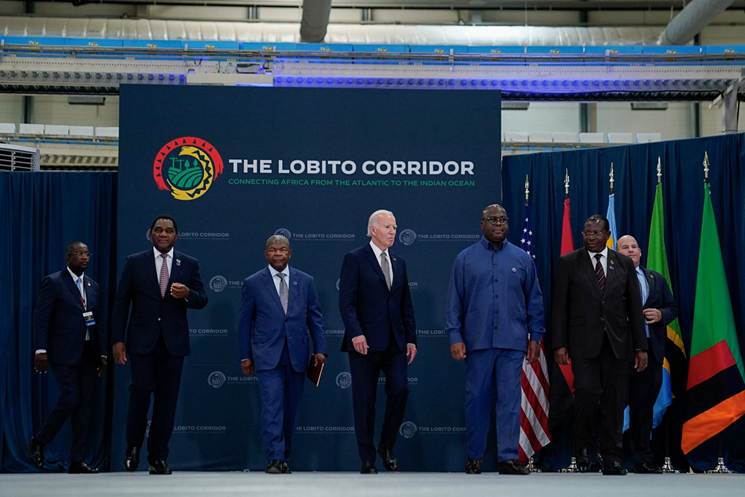
Topic: An Analysis of the strategic gains and risks offered by the EU Strategic Partnership, Lobito Corridor and Minerals for Security deals on East and Southern Africa’s Critical Transition Minerals

The surging demand for minerals critical to green transition offers potential economic benefits for mineral rich countries however the dash to secure their supply chain has kicked off geopolitical interests, competition and realignments whose outcomes could have long lasting relationship with divergent unforeseen impacts.

With the Eastern and Southern Africa combined as a single economic bloc, the region has the highest concentration of critical green transition minerals such as cobalt, coltan, nickel, graphite, tungsten, tantalum, copper in the world. Yet the history of governance and management of the mineral sector has never yielded very positive dividends for mineral-rich countries in the region. Minerals have fueled conflicts in the DRC and Mozambique, Debt traps in Zambia, political patronage and environmental concerns in Zimbabwe and economic inequalities in South Africa and Botswana.

This webinar will provide an overview of the critical mineral wealth in Eastern and Southern Africa with a particular focus on the strategic gains and risks that geopolitical initiatives such as the EU Strategic Minerals Partnerships, the Lobito Corridor and emerging minerals for security deals offer. It is estimated that the mining industry needs to invest $1.7 trillion over the next 15 years to extract and supply enough metals for renewable energy and Africa possess almost half of these.   

The webinar will discuss the geostrategic machinations at play by superpowers such as the US, Europe, Russia and China in the context of the dash for control of critical minerals for the green transition and the current extractive governance challenges facing the region. While strategic alliances may not entirely be a bad idea, there are concerns over the underlying possible geopolitical, security and perceived neocolonial undertones that may come with these initiatives.

And how the historical socio-economic justice concerns of similar geopolitical jostling, security guarantees at the Berlin conference and hinterland to port initiatives contributed to the colonial exploitation of Africa’s resources for benefits elsewhere. Moreover, the mineral for security deals are tainted with opacity, designed with a biased potentially exploitative and a perceived neocolonial mindset aimed at rewarding the dominant superpower and the aggressor against the victim in exchange for its resource. The minerals for security deals are negotiated behind closed doors and their full terms are not availed neither to the public nor the citizens of the mineral rich country.

Amidst this mineral dash and possible geopolitical balkanization, it is feared that without strategic positioning, the Eastern and Southern Africa critical minerals rich countries could again miss out from this mineral boom.

Our expert speakers at this webinar will delve deeper into this topic, highlighting on the possible risks and benefits that the region can garner from these initiatives and measures the region can take so as to avert the risks and maximize benefits from these partnerships. This webinar is organized by the Governance and Economic Policy Centre in Collaboration with Botswana Watch Organisation. 

Our distinguished speakers will be

  1. Ketakandriana Rafitoson, Executive Director, Resource Justice Network (formerly PWYP): Key concerns for critical minerals Governance and our desired sustainable future. Dr Ketakandriana is a political scientist, researcher, activist, and human rights defender with distinguished career in anti-corruption, where she served as leader of Transparency International Chapter in Madagascar. Her work mainly focuses on issues of resource governance, anti-corruption, citizens’ participation, good governance and democracy.


  1. Adriano Nuvunga, Executive Director, Centre for Democracy and Human Rights (CDD), Mozambique: The Geopolitics of critical minerals, neocolonial extractivism and conflict. Prof Adriano Nuvunga is a Mozambican scholar, anti-corruption advocate and human rights defender. He is the director of the Center for Democracy and Human Rights (CDD), an organization that promotes democracy and protects human rights in Mozambique and Professor of professor of political science and governance at the Eduardo Mondlane University in Maputo. He has widely published on resource governance and violence in Mozambique’s Cabo Delgado province.


  1. Mr Robert Lestatsi, Executive Director, Botswana Watch Organisation; Assessing the Lobito corridor project and Africa’s desired benefits from critical mineral wealth. Robert Letsatsi is the Executive Director of Botswana Watch (BW), an organization focused on promoting transparency and accountability in Botswana. He is also involved with the PWYP coalition in Botswana and the UNCAC Coalition, an international anti-corruption network. Additionally, he has been involved in advocacy of mineral resource governance and training on human rights violations, in collaboration with Ditshwanelo – The Botswana Centre for Human Rights.
  1. Moses Kulaba, Executive Director, Governance and Economic Policy Centre, Moderator. Mr Moses Kulaba is a Governance and political economist, tax law expert and economic diplomat with more than 20 years of active service in international public, private and civil society sector.  Prior to joining GEPC he served as the East Africa Regional Manager for the Natural Resources Governance Institute, where he worked with various stakeholders including governments to advance governance of the extractive sector. Has served on the international board of the EITI and in consultancy roles for DFID , the EU and the UN on governance, extractives and peace processes in Eastern and Africa Great Lakes region.

 Date: 30th July, 2025

Time: 12pm EAT, 11 AM Gaborone (CAT) and 9 AM Lagos

Login:  https://us05web.zoom.us/j/84450912293?pwd=lwabYIwsvJ27A8bP0v8hVQpaUOaYQ3.1

Meeting ID: 844 5091 2293

Passcode: 7XFcHc

Critical Minerals Certification: Do Mineral Certification Mechanisms Reduce harm? A Look at the Kimberley Process, ICGLR, RMI, and OECD”

Authors:  Moses Kulaba and Roger Vutsoro, Governance and Economic Policy Centre


This short analytical study explores the existing   national, regional and global certification mechanisms such as the Kimberly Process, ICGLR, OECD Due diligence measures, Responsible Mining Initiatives in the quagmire of improving of minerals governance. It entangles and assesses the increasing perceptions (based on evidence from countries such as the DRC) that the current certification regime is running dangerously obsolete, not designed for critical minerals and thus needs a review and realignment for new purpose, including proposing measures that go beyond the current regional certification.

Decades ago, mineral certification was mooted as a solution to addressing the chronic problems of illegal mining, mineral smuggling and mineral driven conflicts, economic injustices and impunity in mineral rich countries.  To this regard, regional and global mineral certification mechanisms were developed with countries and mining companies required to sign up to these new certification principle and mechanisms. However, decades after, minerals continue to be drivers of conflict and harm in many countries.

As the appetite for Critical or Transitional minerals required for the green and clean energy industrial technology gains gusto momentum, there are concerns that this new mineral dash may exacerbate corruption, conflict and suffering in critical minerals rich countries. Apart from calls to establish regional value chains, there is evidence to suggest that a proper global certification mechanism should be put in place to ensure responsive sourcing of critical minerals and that their extraction does not lead to further harm.

What is mineral certification


Mineral certification is a process that verifies the origin and legitimacy of minerals, ensuring they are not associated with conflict or human rights abuses. It involves tracing minerals from the mine site to the final point of export and confirming they are free from illegal activities. This helps to prevent the financing of armed groups and other illicit activities linked to mineral extraction. This certification involves a thorough verification process to trace the minerals’ origin and verify they are free from illegal financing, armed group involvement, and human rights abuses.

At face value, this sounds like a good measure, however existing mechanisms of a similar nature such as the Kimberly process, ICGLR certification initiative and the OECD Due diligence measures have not succeeded in fully addressing the issue of conflict minerals and mineral smuggling. In Countries such as the Democratic Republic of Congo and Mozambique, minerals continue to be a driver of conflict and mineral smuggling to neighboring countries is still rife.  This therefore puts to question the efficacy of the existing global certification mechanism in strengthening governance, regulating supply, improving ethical mining business conduct and reducing harm from extractive resources.

Existing major Regional and Global Mineral Certification regimes


The Kimberly Process Certification System (KPCS)

The Kimberly Process (KPCS) is a global standard certification process established in 2003 by the United Nations General Assembly (Under resolution 55/56) to prevent conflict diamonds from entering the mainstream diamond market.  KPCS was set up to ensure that diamonds as precious minerals are sourced and traded in a responsible manner, reducing financing conflicts and human rights violation. KPCS has laid out requirements for participating member countries to comply including[1]

  1. Enforcement of regulatory standards to control export and import of rough diamonds
  2. Principles of transparent practices to ensure integrity of the diamond supply chains
  3. Selective trading with only KP certified and compliant members
  4. Verification of exports to ensure every traded diamond is accompanied by a conflict free certificate.

Member countries are obliged to enforce these standards. To date 60 participants (representing 86 countries) are signatory members to the Kimberley process and have committed to applying KP principles in the certification of its traded diamonds. The standards require that;

  • Participant countries must enforce stringent legal and regulatory standards to control the import and export of rough diamonds and ensure adherence to KP requirements.
  • Participants commit to transparent practices, which are crucial for the integrity of the diamond supply chain, by exchanging accurate and timely statistical data.
  • Trade is permitted only between certified KP members who comply fully with these international standards, safeguarding the legitimacy of the diamond trade.
  • Every diamond export is closely inspected and must be accompanied by a valid KP certificate, certifying that the diamonds are conflict-free to prevent the entry of illicit stones into the market.
National Level Governance and Implementation of the Kimberly Process; A case of Tanzania


In Tanzania the Kimberly Process Office is situated in the Mining Commission, an Institution within the Ministry of Minerals. This office is responsible for the implementation of the KPCS activities, import and export of rough diamond; the office is under the authority of the Executive Secretary. The Mining Commission works closely with the Tanzania Revenue Authority’s Customs Department, Tanzania Intelligence and Security Service and the Police Force for strengthening internal control. The Kimberley Process Office forms a part of the Mineral Audit and Trade Department, which is under the Director for Mineral Audit and Trade who assists the Executive Secretary in administering the KPCS activities. The office issues Annual reports.

Before the issuance of Kimberley Process Certificate, the exporter of rough diamonds must submit a valid Dealer’s license/Mining license, which allows him to export minerals outside Tanzania. The Dealer’s license indicates full address, type of minerals, the premises and signature of Executive Secretary or a person authorized to sign. The exporter fills the application form which indicates license type, license number, weight, value, source of diamonds to confirm that diamonds are conflict free, place of export and declaration of exporter by putting his/her signature, name and qualification to apply for a certificate and pays to the government USD 100 as an application fee for Kimberley Process certificate. Post to the valuation process, the exporter is required to pay royalty (6% of a value) and inspection fee (1% of value) to the Government.

Any person who contravenes any of the provision in Diamond trading regulation commits an offence and liable:  In case of an individual to imprisonment for a term not exceeding three years or to a fine not exceeding US dollar twenty thousand (US$ 20,000) or to both. In case of body corporate, to a fine not exceeding US dollar one hundred thousand (US$ 100,000), or c. Cancelation of his license and permanently be disqualified from prospecting, mining or dealing in diamond and any other minerals.  Any rough diamonds obtained contrary to the provisions of Diamond trading regulations shall be forfeited in addition to other penalties[2].

The International Conference on Great Lakes Region (ICGLR) Mineral Certification Measures


The ICGLR Certification mechanism was developed to address the persistent of mineral driven conflicts in the Africa Great Lakes region. It aims to create a conducive environment for cooperation among member states while also ensuring the protection and well-being of the people living in the Africa Great Lakes region.

The ICGLR Certificate confirms a mineral shipment is conflict-free and meets the ICGLR’s ethical sourcing standards, ensuring it’s free from illegal influence and responsibly traced from mine to market. This certification involves a thorough verification process to trace the minerals’ origin and verify they are free from illegal financing, armed group involvement, and human rights abuses. It provides buyers with the assurance that the minerals meet ICGLR requirements for transparency, legality, and responsible sourcing, supporting ethical supply chains in the region[3].

Currently the DRC, Uganda, Kenya, Rwanda and Burundi are members to the ICGLR’s certification mechanism. Mineral flows are analyzed via an ICGLR Regional Database, using the data on individual shipments collected and transmitted to the ICGLR by each Member States.  The database is verified annually via ICGLR Third Party Audits. The mechanism is viewed as an important regional standard and tool for enhancing collaboration, transparency, and development in Africa’s Great Lakes region, promoting accountability and encouraging businesses to pursue certification for adherence.  
The OECD Due Diligence Guidance for Responsible Mineral Supply Chain

Requires that company supply chains of all minerals from conflict affected and high-risk areas, must respect human rights and avoid contributing to conflict through their mineral or metal purchasing decisions and practices. Recognizes that trade and investment in natural mineral resources hold great potential for generating income, growth and prosperity, sustaining livelihoods and fostering local development. However, a large share of these resources is located in conflict affected and high-risk areas. In these areas, exploitation of natural mineral resources is significant and may contribute, directly or indirectly, to armed conflict, gross human rights violations and hinder economic and social development[4].

The OECD Due Diligence Guidance is considered as the first example of a collaborative government-backed multi-stakeholder initiative on responsible supply chain management of minerals from conflict-affected areas. Its objective is to help companies respect human rights and avoid contributing to conflict through their mineral sourcing practices[5].

The Guidance is also intended to cultivate transparent mineral supply chains and sustainable corporate engagement in the mineral sector with a view to enabling countries to benefit from their mineral resources and preventing the extraction and trade of minerals from becoming a source of conflict, human rights abuses, and insecurity. With its Supplements on Tin, Tantalum, Tungsten and Gold, the OECD Guidance provides companies with a complete package to source minerals responsibly in order for trade in those minerals to support peace and development and not conflict[6]

Responsible Minerals Initiative


The Responsible Minerals Initiative (RMI) is a voluntary membership body of companies and industry players with a vision to ensure that mineral supply chains contribute positively to social economic development globally. It seeks to promote the common goal of understanding and contributing to mitigating the salient social and environmental impacts of extraction and processing of minerals in supply chains. It leverages partnerships and use of international standards such as the United Nations Guiding Principles on Business and Human Rights or the OECD Due Diligence Guidance as our guideposts[7].

Comprised of more than 500 member companies; the Responsible Minerals Initiative is considered one of the most utilized and respected resources for companies from a range of industries addressing responsible mineral sourcing issues in their supply chains. RMI provides companies with tools and resources to make sourcing decisions that improve regulatory compliance and support responsible sourcing of minerals from conflict-affected and high-risk areas. RMI undertakes due diligence, assurance and reporting templates for cobalt, gold, tin, tungsten, tin, tantalum and other minerals.

The Nexus between Critical Minerals, Conflict and Harm


There is a strong connection between the extraction and trade of certain minerals and the exacerbation of armed conflicts and instability in various regions, particularly in developing countries. Globally, critical minerals fueling Green Tech are also fueling conflict[8] Armed groups often exploit the demand for these minerals (like tin, tantalum, tungsten, and gold, collectively known as “conflict minerals”) to fund their operations, including the purchase of weapons[9]. This reliance on minerals to fuel conflict can lead to human rights abuses environmental degradation, and social unrest, hindering sustainable development. 

Critical minerals such as bauxite, manganese cobalt, lithium and uranium have fuelled conflicts in the DRC, Guinea, Niger, Mali, Chad and Central Africa Republic[10] Myanmar has also experienced a post-coup rush for control over its rare earth minerals, while Latin American countries like Chile and Colombia are grappling with how to ensure that their lithium wealth benefits local economies rather than multinational corporations[11].

Critical Minerals and conflict; A case for DRC


Multiple reports produced by UN and Civil society show that the ongoing violence in the DRC is linked to mineral extraction, with rebel insurgents motivated by a desire to extract from the region’s vast cobalt and coltan reserves. Since the onset of the infamous second Congo War in 1998, control over the DRC’s vast mineral resources has fuelled conflict between armed groups and militias. These factions fight over mining territories, using profits from the illegal extraction and smuggling of conflict minerals to finance their operations and purchase weapons. The struggle for control over mineral-rich areas has led to prolonged violence, contributing to the deaths of millions and leaving entire regions destabilized[12]

In the DRC, according to the UN Group of Experts, the M23 established control over the mineral-rich area and created a new transportation route to Rwanda. Through taxation and smuggling of minerals, the armed group is financially benefiting from DRC’s mineral resources. It’s estimated that the group is receiving approximately $800,000 USD monthly from the production and trade of minerals at Rubaya.

While some mine sites in eastern DRC may not be directly affected by the conflict, early 2025started with violence in Goma (a major mineral export and transit hub), as well as insecurity moving towards South Kivu with recent clashes in in Nyabibwe, a mineral rich area known for 3Ts and gold, located halfway between Goma and Bukavu. As of mid-February, the M23 had occupied Bukavu, another major mineral export and transit hub in the region.

Recent reports also indicate armed groups in Ituri Province are forming alliances with the M23, while new violence in the province has sparked worries of a larger regional conflictThe UN Group of Experts estimated that armed groups based in Ituri Province generated approximately $140 million USD in 2024, dwarfing the illicit revenue generated by 3Ts[13] Other armed militias and groups such as Allied Democratic Forces (ADF) are equally benefiting from the loot.

In light of this reality, the abundance of critical minerals offers a potential opportunity for economic wellbeing but the geopolitics and the dash for their control and extraction has potential of increasing conflicts in Africa[14]  According to Global witness, the extraction and trade of some critical minerals is intensifying new geopolitical tensions and reinforcing long-standing patterns of exploitation[15] including conflicts.

The Trump Ukraine deal revealed a connection of critical minerals to the Russia and Ukraine war and how natural resources in Ukraine have become a key bargaining chip in international diplomacy between the US and Russia. In the same perspective, the US and the Democratic Republic of Congo are close to sign a minerals-for-security deal, highlighting the increase role of critical minerals in geopolitics and conflict.

In fact, the government of the Democratic Republic of Congo reached out to the Donald Trump administration with a Ukrainian-style proposal in February 2025 in response to the rapid advance of the Rwandan-backed M23 rebel group in the east of the country. The U.S. government has responded enthusiastically with a flurry of negotiations aimed at ending a decades-long conflict born out of the Rwandan genocide of 1994.

The political momentum is building towards a potential peace deal between Congo and Rwanda to be accompanied by bilateral minerals deals between both countries and the United States.  At stake are the mineral riches of North and South Kivu provinces, a major but highly problematic source of metals such as tin, tungsten and coltan[16].

According to different sources, this deal once signed could boost Rwanda processing of Congo minerals and provide the US with an assured source of processed critical minerals required to support its industrial technology and security needs.

 Gaps and why a new regime for mineral certification is required


The existing major regional and global mineral certification regimes have significant gaps that necessitate that a new regime is developed.

  • Narrowness in focus and scope: Existing certification mechanisms such KP are narrow in scope largely target diamonds and were not designed to cover a broader mining sector. The ICGLR covers the 3Ts and gold. The emergency of a wider list of critical minerals adds a new context which the KP and ICGLR certification mechanisms were not designed for.
  • Voluntary mechanisms; The existing mechanisms are largely voluntary and member states companies encouraged to join and comply with the standards. For instance, the 21st meeting of the CIRGL Regional Committee on the fight against the illegal exploitation of natural resources recommended CIRGL Secretariat to compile a comprehensive report on the status of implementation of the six tools of the regional certification mechanism. This report revealed that the Republic of Rwanda has not yet established the traceability chain for gold. Instead, Rwanda controls gold extraction and trade using conventional methods and does not issue ICGLR certificates for gold exports[17].”
  • Limited in geographical and legal scope: For instance, the OECD Due diligence Guidance is largely applicable to companies from OECD member countries but with limited enforcement mechanisms in non-OECD countries. Yet mining companies from non-OECD Countries such as China are emerging as the leading exploiters of Africa’s critical minerals according to WTO reports[18]. from the DRC. Chinese based companies own or operate 80 percent of the critical mineral production in the DRC, much of which is sent to China for processing for export via the global supply chain[19] Moreover the ICGLR is confined to its member states while the RMI covers only its 500 members.
  •  
  • Illicit smuggling and trading in conflict minerals continue despite the presence of current certification mechanisms. For instance, despite its membership to the Kimberley Process (KP) and ICGLR commitments, Tanzania’s diamond sector is reported as facing entrenched governance challenges: opaque supply chains, smuggling, and minimal community benefits. Tanzania’s diamonds have suffered from environmental concerns, price volatility from synthetics and smuggled diamonds from regional conflicts areas[20].

Moreover, critical minerals including diamonds are smuggled across borders, transacted in established commercial capitals and hubs such as Kigali, Kampala, Nairobi and Dubai. For instance, a Global Witness investigation report indicates that an international commodities trader Traxys bought conflict coltan smuggled from Democratic Republic of Congo (DRC) to Rwanda[21] The investigation revealed that the multibillion-dollar company headquartered in Luxembourg bought 280 tonnes of coltan from Rwanda in 2024 based on customs documents seen by Global Witness.

Analysis by Global Witness of trade data and testimonies from two coltan smugglers suggested that a big share of the coltan Traxys bought from Rwanda was connected to the ongoing war in the east of DRC. African Panther’s coltan exports soared to unprecedented volumes in 2024, exceeding the combined total of the export volumes recorded over the previous four years. This increase in exports coincided with the escalation of the war in North Kivu and increased smuggling of conflict coltan from Rubaya, further suggesting that an important share of African Panther’s 2024 exports was smuggled from conflict zones in DRC[22].

Despite having limited or no known deposits and operational mines, some countries in East Africa and the Middle East have emerged as leading exporters of critical minerals such as cobalt, lithium and coltan.  Study reports show large volumes of critical minerals transacted via East Africa to foreign markets such as the UAE and China[23].  For instance, in 2025 Kenyan authorities intercepted 10 containers of suspected smuggled copper at the port of Mombasa[24]  These illicitly acquired, smuggled and transacted minerals have found market into the UAE and Western capitals in Switzerland and New York. In 2023 alone, Kenya’s exports of copper to the United Arab Emirates were valued at US$22.27 million. The UAE exports mineral products, including critical minerals, in significant quantities, primarily to Japan, China, and India.

  • Ongoing critical minerals driven conflicts and the rise of new geopolitical conflicts in producer countries: The ongoing mineral driven conflicts have already been documented in the cobalt, coltan mineral rich Eastern DRC and elsewhere but the rush for securing access and control of mineral supply chains by superpowers is reviving geopolitical interests and may result in new geopolitical conflicts.

In the Democratic Republic of Congo (DRC), for instance, since the revision of its mining law in 2018, the country has attracted no responsible Western investors in the mining industry. Meanwhile, China has come to dominate the production of cobalt and copper, primarily mined in the Katanga and Lualaba regions. The recent re-negotiation by the Tshisekedi Administration of the imbalanced minerals-against infrastructure deal signed in 2008 under the Kabila administration between the DRC and China was perceived by China as triggered by the United State of America.

Aware of the security and economic implications of China’s control over the DRC’s critical minerals supply chain, the United States has signaled its return to the DRC mining sector through the recent acquisition of Australian AVZ Minerals’ assets in the Manono Lithium Project by KoBold Metals. In addition, the U.S. is committed to funding the Lobito Corridor—a strategic railway project essential for transporting critical minerals from the Central African Copperbelt to Western markets.

Through its International Development Finance Corporation (DFC), the U.S. has pledged a $550 million loan to support the Lobito Corridor. This project is considered vital in countering Chinese influence in the region by providing an alternative route for exporting critical minerals. This plea was reiterated in Luanda/Angola in January 2024 by the former US President, John Biden, during his last visit to Africa as an US President, in presence of both Angola and DR Congo Presidents.

The corridor is viewed as part of the Partnership for Global Infrastructure and Investment, a G7 initiative aimed at competing with China’s growing presence on the continent. While the Lobito project is designed to challenge Chinese dominance, both Western and Chinese firms will be allowed to use the infrastructure it provides. This dual-access approach raises questions about its strategic value, particularly under a US administration led by President Donald Trump, whose priority is   competition with Beijing. The Lobito Corridor railway could be a physical indicator of the resuscitated geopolitical rivalry and convergence of global superpowers on the African continent as a source for critical mineral resources.

Failure to implement due diligence and traceability mechanisms


During the OECD conference on responsible minerals supply chain held in May 2024 in Paris, many Congolese civil society organizations raised concern over the increasing failure in the implementation of due diligence standards in the DRC. CSO mentioned that private sector actors have failed to fully implement supply chain due diligence in alignment with international standards, most notably the OECD Due Diligence Guidance for Responsible Minerals Supply Chains from Conflict-Affected and High-Risk Area. IMPACT added that companies are either turning a blind eye, preferring not to ask questions about the source of their purchases, or have been complicit by over relying on industry schemes despite red flags being raised in UN Group of Experts reports.

The concern around ITSCI—the sole traceability and due diligence provider for 3Ts in DRC—has been so great that in 2024 it lost its recognition with the Responsible Minerals Initiative (RMI), with RMI noting that important gaps remained in the scheme’s fulfilment of recognition terms. Despite this move, the UN Group of Experts has expressed concern that many private sector actors still rely on the scheme to conduct due diligence without carrying out additional independent quality controls required by international standards[25].

Civil Society Call for reforms


Because of these gaps civil society organisations have constantly urged for a review and development of a new certification mechanism regime, expanded and aligned to emerging context of transition minerals. For instance, at the start of the 2025 KP plenary in Dubai the Civil Society Coalition pointed out the gaps of the KP in addressing the challenges of diamond mining, smuggling and poverty in the Central African Republic[26].  CSO observed that the KP was narrow in focus, limited to diamonds and the imposed conflict diamond embargos had targeted smugglers without protecting the diamond mining communities.

The KP does not—and likely will not soon—prevent diamonds from being associated with issues outside the narrow conflict diamond definition, including human rights abuses, violence by public and private security forces, forced labour, and environmental degradation. Rigorous due diligence is essential, yet it remains insufficiently addressed.

For instance the KP in Central Africa Republic’s (CAR) experience demonstrated that the sole existence of the certification scheme does not make diamond governance exemplary. Though diamonds share similar governance challenges with other minerals, the Kimberley Process has largely remained isolated from broader dialogues on mineral-related due diligence.

Civil society demanded for the need to bridge the gaps in the KP certification mechanism by inter alia increasing transparency and engagement with mining communities.  CSOs argued that without transparency, the KP will never effectively achieve its mandate of conflict prevention.

Moreover, the existing certification mechanisms are criticized as elitist, disconnected from the community needs and blind to social economic injustices. For example, the KP certification mechanism does not cover the extent to which the mining of the diamond minerals has benefited the communities from where they are sourced.

Investigations by the Kimberly Process Civil Society Coalition of mining operations in Sierra Leone, Lesotho, and the Democratic Republic of Congo, reveals the often-ignored consequences of large-scale diamond mining on local communities in African countries[27].

In Tanzania, despite mining diamonds for more than 100 years, Shyinyanga remains amongst the poorest remains the poorest region in the country[28]. The critical minerals rich Eastern DRC provinces of Kasai Oriental, Kasai Central, North and South Kivu are among the poorest and least developed in the world. 

For diamond resources to truly benefit communities, the documentary identifies greater transparency and independent monitoring as key elements to enhance corporate accountability. Mining companies, industry actors and states all have a role to play to protect community rights and improve both mining and sourcing practices[29].

Further, certification mechanisms do not sufficiently cover or protect citizen against state excesses and inspired violence. Yet the very atrocities committed by rebel groups, which led to the KP’s creation in 2003, are now mirrored by certain governments and their security forces. Top ranking government officials and security forces in the Eastern DRC have been accused of being complacent to illicit mineral trade. The military junta in Myanmar is accused of widespread human rights violations including killings of civilians in critical mineral rich village areas in Kayah state closer to the Thailand border[30].

Conclusion


While certification mechanisms such as the Kimberly process were established for a major purpose of controlling blood diamonds over the years, they have this role to an extent but equally shown inherent gaps and shortcomings. Their limitation in scope, involuntary membership nature and poor implementation is a major limitation. They were set up when diamond was among the top most traded commodity and driver of conflicts in countries such as Angola, Liberia and Siera Leone. With the increasing surge in demand for critical minerals such as Nickel, Cobalt, Coltan, Graphite, Lithium, Tin Tungsten and Rare Earth Elements, the new frontiers mineral driven conflicts have expanded and cannot continue to remain on diamonds.  In the current and future context, it will be untenable for critical minerals to remain outside the purview of mineral certification. For the existing certification mechanisms to be relevant and fitted for the changing context and era of energy of transition, substantive reviews and reforms are required.

Recommendations for future certification mechanisms
  1. Expand the KPI and ICGLR certification to cover a broad range of  critical minerals or develop a new commensurate certification measure for critical minerals, with a focus on ethical sourcing, conflict and governance.
  2. Pay attention to the ongoing problems in mining such as the environmental concerns in critical minerals mining operations and their contribution to social and ecological harm to communities and countries from where they are sourced.
  3. Pay close attention to ongoing issues within critical minerals supply chains, including human rights abuses, armed conflicts, the fair distribution of benefits to local communities, and compliance with national labor laws
  4. Review the existing mineral audit  standards, blend constitution of  audit teams with experts, civil society and community representatives to increase transparency and integrity in certification
  5. Require exporting countries to demonstrate significant economic presence of the critical mineral commensurate with export volumes.
  6. Impose export embargoes and critical mineral trading sanctions on countries or companies involved in perpetrating smuggling and export of illicitly acquired and conflict critical minerals.
  7. Expand the scope of existing certification mechanisms such as the Kimberly process to capture community benefits from diamonds and critical minerals.
  8. Demand that membership to regional and global certification and tracking mechanism must be mandatory for all critical minerals producing and exporting countries
  1. Countries that produce critical minerals should diversify their investors and pursue win-win partnerships to prevent their territories from becoming geopolitical battlegrounds for superpowers competing for access to these resources in the era of energy transition
  2. Enhance public database and reconciliation system for tracking mineral flows to better balance production, purchases, and exports at various levels (exporters, mines, mining regions, and Member States). 
  3. To maximize the benefits from critical mineral supply chains, producer countries should prioritize investments that add value to minerals and promote local content. This approach will generate more jobs for millions of unemployed youths, stimulate economic growth, and facilitate technology transfer and reduce susceptibility to conflict

References

Aikael Etal (2021) Understanding poverty dynamics and vulnerability in Tanzania: 2012–2018 available at https://onlinelibrary.wiley.com/doi/10.1111/rode.12829  accessed on 15 May 2025

Martin A, etal (2014), All that Glitters is not Gold: Dubai, Congo and the illicit trade of critical minerals, Partnership Africa Canada, May 2014

Andy Home, After Ukraine deal, US turns its critical minerals gaze to Africa, available at https://www.reuters.com/markets/, accessed on May 22

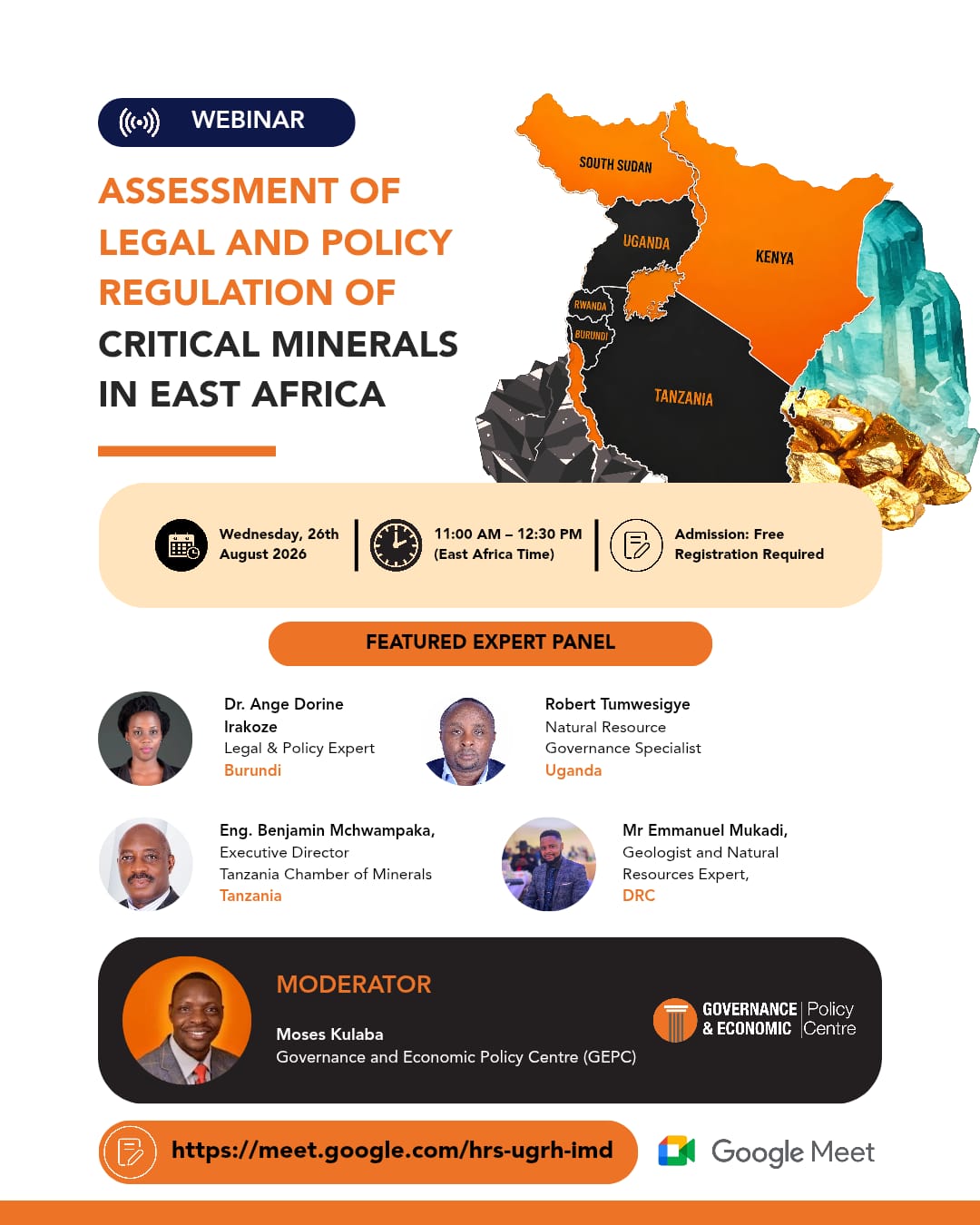
Global Witness (2025) available at https://globalwitness.org/en/press-releases/new-investigation-suggests-eu-trader-traxys-buys-conflict-minerals-from-drc/ accessed on 15 May 2025

IMPACT, Actors Must Suspend Sourcing Minerals Financing Armed Groups in Democratic Republic of Congo, available at https://impacttransform.org/, accessed on May 23, 1:46pm

ICGLR, Report on the Status of Implementation of the Six Tools of the ICGLR Regional Initiative on Natural Resources in Member States, P14

ISSD (2018) Green Conflict Minerals; The Fuels of conflict in the transition to a low carbon economy;  available at https://www.iisd.org/story/green-conflict-minerals/ accessed on 15 May 2025

Panzi Foundation available via https://panzifoundation.org/conflict-minerals-and-sexual-violence-in-the-drc/# accessed on 15 May 2025

The African Climate Foundation Report; Geopolitics of Critical Minerals in Renewable Supply Chains  available at https://africanclimatefoundation.org/wp-content/uploads/2022/09/800644-ACF-03_Geopolitics-of-critical-minerals-R_WEB.pdf  accessed on 15 May 2025

The Eastleigh Voice (2025); Police launch investigation into suspected copper smuggling at Mombasa port; available at https://eastleighvoice.co.ke/business/112007/police-probe-suspected-copper-smuggling-at-mombasa-port accessed on 15 May 2025

US International Finance Cooperation https://www.dfc.gov/investment-story/strengthening-critical-mineral-supply-chains-countering-chinas-dominance#:~:text=But%20critical%20mineral%20supply%20chains,sent%20to%20China%20for%20processing.

WTO (2024): High demand for energy-related critical minerals creates supply chain pressures; available at

Online sources

[1] https://www.kimberleyprocess.com/about/what-is-kp

[2] The United Republic of Tanzania: Mining Commission; A Report on implementation of the Kimberly Process Certification Scheme for Tanzania Year 2023

[3]ICGLR; available via https://icglrcertification.com/ accessed 13 May 2025

[4]OECD Report (2016) available via https://www.oecd.org/en/publications/oecd-due-diligence-guidance-for-responsible-supply-chains-of-minerals-from-conflict-affected-and-high-risk-areas_9789264252479-en.html, accessed on 13 May 2025

[5] OECD (2016), OECD Due Diligence Guidance for Responsible Supply Chains of Minerals from Conflict-Affected and High-Risk Areas: Third Edition, OECD Publishing, Paris, https://doi.org/10.1787/9789264252479-en.

[6] ibid

[7] https://www.responsiblemineralsinitiative.org/

[8] https://www.worldpoliticsreview.com/critical-minerals-conflict-eu/

[9] European Commission: Trade and Economic Security, Conflict Minerals regulation available at https://policy.trade.ec.europa.eu/development-and-sustainability/conflict-minerals-regulation_en#:~:text=In%20politically%20unstable%20areas%2C%20armed,mobile%20phones%2C%20cars%20and%20jewellery. Accessed on 15 May 2025

[10] ISSD (2018) Green Conflict Minerals; The Fuels of conflict in the transition to a low carbon economy;  available at https://www.iisd.org/story/green-conflict-minerals/ accessed on 15 May 2025

[11] ibid

[12] Panzi Foundation available via https://panzifoundation.org/conflict-minerals-and-sexual-violence-in-the-drc/# accessed on 15 May 2025

[13] IMPACT, Actors Must Suspend Sourcing Minerals Financing Armed Groups in Democratic Republic of Congo, available at https://impacttransform.org/, accessed on May 23, 1:46pm

[14] The African Climate Foundation Report; Geopolitics of Critical Minerals in Renewable Supply Chains  available at https://africanclimatefoundation.org/wp-content/uploads/2022/09/800644-ACF-03_Geopolitics-of-critical-minerals-R_WEB.pdf  accessed on 15 May 2025

[15] Global Witness; Critical Minerals Fuel Conflicts available via  https://globalwitness.org/en/campaigns/transition-minerals/the-critical-minerals-scramble-how-the-race-for-resources-is-fuelling-conflict-and-inequality/#:~:text=How%20are%20critical%20minerals%20driving,communities%20in%20resource%2Drich%20nations. Accessed on 15 May 2025

[16] Andy Home, After Ukraine deal, US turns its critical minerals gaze to Africa, available at https://www.reuters.com/markets/, accessed on May 22
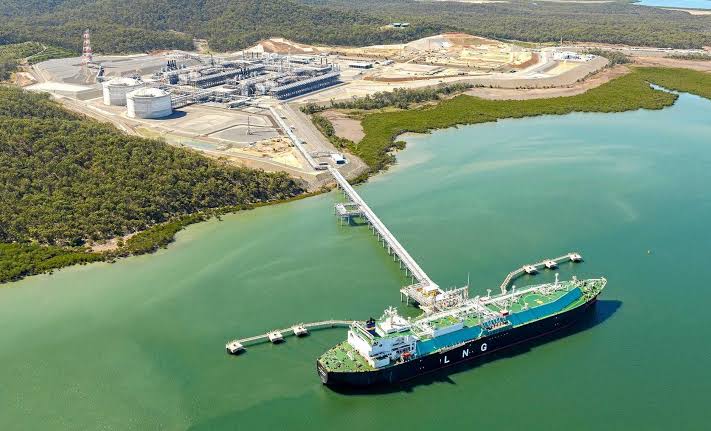
[17] ICGLR, Report on the Status of Implementation of the Six Tools of the ICGLR Regional Initiative on Natural Resources in Member States, P14

[18] WTO (2024): High demand for energy-related critical minerals creates supply chain pressures; available at https://www.wto.org/english/blogs_e/data_blog_e/blog_dta_10jan24_e.htm#:~:text=Exports,all%20at%206%20per%20cent). Accessed on 15 May 2025

[19] US International Finance Cooperation https://www.dfc.gov/investment-story/strengthening-critical-mineral-supply-chains-countering-chinas-dominance#:~:text=But%20critical%20mineral%20supply%20chains,sent%20to%20China%20for%20processing.

[20] URT:  Ministry of Minerals, Mining Commission; A Report on implementation of the Kimberly Process Certification Scheme for Tanzania Year 2023

[21]Global Witness (2025) available at https://globalwitness.org/en/press-releases/new-investigation-suggests-eu-trader-traxys-buys-conflict-minerals-from-drc/ accessed on 15 May 2025

[22] ibid

[23] Martin A, etal (2014), All that Glitters is not Gold: Dubai, Congo and the illicit trade of critical minerals, Partnership Africa Canada, May 2014

[24] The Eastleigh Voice (2025); Police launch investigation into suspected copper smuggling at Mombasa port; available at https://eastleighvoice.co.ke/business/112007/police-probe-suspected-copper-smuggling-at-mombasa-port accessed on 15 May 2025

[25] IMPACT, Actors Must Suspend Sourcing Minerals Financing Armed Groups in Democratic Republic of Congo, available at https://impacttransform.org/, accessed on May 23, 1:46pm

[26] https://www.kpcivilsociety.org/activity/kimberley-process-lifts-ineffective-embargo-end-of-an-era-for-the-central-african-republic-and-another-clear-signal-that-conflict-diamond-scheme-needs-serious-fixing/

[27] Kimberly Civil Society Coalition (2025); BEYOND SHINING ILLUSIONS: New documentary exposes the unspoken realities of large-scale diamond mining available at https://www.kpcivilsociety.org/press/beyond-shining-illusions-new-documentary-exposes-the-unspoken-realities-of-diamond-mining-in-african-countries/ accessed 15 May 2025

[28] Aikael Etal (2021) Understanding poverty dynamics and vulnerability in Tanzania: 2012–2018 available at https://onlinelibrary.wiley.com/doi/10.1111/rode.12829  accessed on 15 May 2025

[29] ibid

[30] https://www.dw.com/en/myanmar-land-mine-use-amounts-to-war-crimes-amnesty-report/a-62533770

Averting heavy taxation in EAC with lessons from past bloody tax protests: A 2025/26 Pre Budget Analysis brief

Authors: Moses Kulaba, Governance and Economic Policy Centre

This analysis focuses on assessing the 2025/26 prebudget proposals with a view of determining the extent to which the governments in East Africa have learnt from the previous chaotic budgeting experiences that were marred with blood and deadly citizens protests. Based on the government budget framework papers already presented before parliament, the analysis highlights potential controversial areas that have remained perpetual features in our budgeting and may be of concern in 2025/26 budget proposals and the future.

Budgeting across East Africa has generally been at a center of controversy and criticism for being insensitive to the pressing economic concerns of citizens. Every budget is viewed as a litany of taxes imposed on poor citizens to finance every expanding government bureaucracy.  Moreover, with aid cuts to vital sectors such as agriculture and health by the US government, it is likely that East African governments will continue to pursue aggressive tax measures to cover the gaps. Lessons from the past budget cycles have showed that this obsession to taxing of limited sources to finance a bludgeoning public sector, amidst rising unemployment and costs of living can be counterproductive.

The 2024/2025 budgets faced a lot of concerns and resistance over heavy taxation. In Uganda there were protests by small scale traders over VAT while in Kenya there was a violently bloody and deadly uprising by the youth under the umbrella of the Gen-Z.  The protests forced the Ugandan government to negotiate with the traders while in Kenya the finance bill was withdrawn after a bloody confrontation between the youth protestors and security that left many injured and dozens killed. 

The Kenyan government however re-introduced some of the controversial sections of the finance bill such as the controversial housing levy and it was likely that these will remain a permanent feature in the forthcoming budgets as the government pushed on with its ambition to deliver on low-cost housing. In South Sudan the budget was not passed and the country’s economic fundamentals remained hanging on a balance in a country already affected with civil war.

As governments embark on to the next budget cycle, it is important to look back and see what lessons have been learnt. We make this assessment based on the proposed budget estimates and tax measures for 2026/2027, with a firm recommendation that lessons must be learnt and mistakes avoided.

Overview of priority sectors and proposed tax measures in EAC countries for 2025/26
Tanzania

Based on the government statements presented before parliament early this year, Tanzania’s budget ceiling for the 2025/2026 financial year was planned to increase to 57.040trn/-, with the government planning to allocate 19.471trn/-, or 34.1 percent of total estimates, for development expenditure.

According to the finance minister Dr Mwigulu Nchemba the proposal represented a significant increase from the 15.959trn/- or 31.7 percent of the 50.291trn/- allocated for fiscal 2024/2025.

Out of the development budget funds 13.320trn/- will be mobilised from domestic sources, while 6.150trn/- will be sourced externally. The government further intends to enhance private sector participation in financing development projects via public-private partnerships (PPP)

The minister cited that government’s priority expenditure areas were servicing the government debt, public service salaries, strengthening peace, stability and security, as well as preparations for the 2027 continental soccer tournament.

The budget is expected to be financed through revenues amounting to 40.9trn/- and loans from domestic and external sources totaling 16.07 trn/-.  The revenues from taxes were projected at 31.8trn/-, non-tax revenues of 6.2trn/-, local government revenues of 1.6trn/- along with bilateral and multilateral grants of 1.24trn/-.

Domestic revenues are expected to cover 69.7 percent of the entire 2025/26 budget as part of the government’s strategy to reduce dependence on unpredictable or high-cost and conditional sources,” the minister stated. Expected loans include 6.2trn/- from domestic sources and 9.79 trn/- from external sources.

From these estimates, the government plan to raise and spend an increased budget, with almost ¾ of its budget raised from domestic sources. This is quite commendable. However, it still not clear as to where the final tax burden will fall so as to raise such an amount without exerting further pressure on the ordinary low-income citizens.  

Moreover, it is not evident yet the extent to which the projected budget has factored in the forecast global economic slowdown due to Trump’s tariffs and uncertainty of global trade and investment. Further, the scheduled General elections later in 2025 could equally have a dampening effect on Tanzania’s economic growth for 2025 as potential investors keep a ‘wait and see’ stance holding back major investment decisions until 2026.

Large strategic projects such as the LNG are yet to kick off and this is holding back significant foreign direct Investment and anticipated revenue inflows into Tanzania’s economy. The country’s debt portfolio has been rising and this could eat up a significant share of the increased budget and thereby undermining its anticipated social-economic outcomes. 

Kenya

Kenya plans to spend an expected budget of Ksh 4.23 trillion in 2025/2026 financial year compared to 3.99Trillion that was planned for 2024/25. Out of this an estimated Ksh 2.49 trillion will be allocated to the National Government (The Executive, Parliament and Judiciary), Ksh1.36 trillion will be allocated to the consolidated fund and Khs405bln allocated to the Counties as per the equitable County share framework.

The government expects to raise Ksh.3trln in revenues with grants contributing Ksh46.9bln leaving a deficit of Ksh876bln to be covered through borrowing. The income taxes will account for Ksh1.28 trillion, VAT will generate Ksh772bln, import duties will contribute Ksh3bln, excise duties bringing in Ksh335bln, other taxes will generate Ksh202bln and 560bln collected from appropriations in aid (which includes fees and levies)

Out this Ksh1.1trillion will be spent on debt servicing with about Ksh851bln spent on domestic debt and Ksh246blin spent on foreign debt.  Even with the current plan, Kenya still faces a deficit of Ksh876bln which will be covered with Ksh284.2bln (32%) from net foreign sources and 591.9bln (68%) from net domestic borrowing.

Almost all income taxes collected for 2025/26 will be spent on paying interests on debts. The public debt has been increasing with domestic debt projected at 5.1trln by end of May and the foreign debt at Ksh5trln by end of December.

The experience for last bloody tax riots has influenced Kenya’s 2025/26 budgeting process to an extent. With last year’s hindsight Kenya increased public participation, including conducting of extensive consultations across the counties and town hall meetings in major cities such as Kisumu, Nakuru, Nairobi and Mombasa. Special interest group meetings with the private sector, civil society, the youth and digital content creators.

Based on the views collected from the public participation meetings and world bank projections, the Kenyan government addressed issues around fiscal consolidation with realistic tax basing and economic growth projections. For example, the government revised its GDP targets downwards.

In terms of expenditures, the Kenyan government was modest and alert to the realties and lessons last year’s tax protests.  The government has revised its budget projections, revenue collection targets and made some cuts to expenditures allocated to various ministries and departments. For example, allocation to parliament was reduced from Ksh42.5blnin 2024/25 to Ksh42.4bln in 2025/26 financial year.

The government is verifying and paying off all valid pending bills, plans to making appropriate expenditures, improving quality of procurement, saving unnecessary expenses of about 10-18% of the procurement budget which can support expenses elsewhere.

Despite these measures, Kenya’s budget still faces extreme pressures which may overshadow its performance. According to the Cabinet Secretary for Treasury, Mr John Mbadi, Kenya’s economy is not performing very well. The economy is yet to recover from the aftershocks of COVID 19 and the violent tax protests in 2023 and 2024. The Kenya Revenue Authority has persistently missed on its tax collections and the government has resorted to using supplementary budgets to cover the budget funding gaps.

The IMF and world bank further warn that Kenya is among the African countries with a high risk of defaulting on its debt due to revenue under performance and constrained fiscal gap[1]. Moreover, in August 2024, the global credit ratings agency Standard & Poor’s downgraded Kenya’s long-term sovereign credit rating to B- from B due to weaker fiscal consolidation and increasing public debt.

While this rating was revised in early 2025 from negative to positive, the rating is still below its previous B position and Kenya is still in the junk category with Caa1 rating[2]. This means that any future borrowing will still be expensive for Kenya to pay.

Funding of political offices still consumes a large percentage of Kenya’s budget to the extent that Okoa Uchumi civil society network, has described the Budget as ‘Budgeting for political survival’ Okoa notes that political offices such as the Presidential advisors received a large increase in budget allocation compared to essential services such as education.

A good budget is one which leaves enough money for people, prioritise expenditures on social-economic sectors such as agriculture, education and devolved services, be balanced with reduced over expenditure on financing debt.

Uganda

Uganda’s Parliament approved a 72.4 trillion-shilling national budget estimates for the 2025/2026 financial year, with a strong focus on financing economic growth and infrastructure development. This represents a modest increase from Ush 72.1 Trln passed last financial year.

According to government, the budget was aligned to the National Development Plan IV blue print, which aims at increasing household incomes, strengthening Uganda’s economy through agriculture and industrialization. The priority expenditures include financing of the Parish Development Model (PDM), Emyooga and construction of the Standard Gauge Railway as part of government’s transport infrastructure plans.

According to the National Development Plan IV, it aims at increasing household income, full mobilization of Uganda’s economy through agriculture and more among others. Within the proposed budget, it contains budget priorities such as the PDM and Emyooga. For this purpose, parliament approved 1.03 trillion for PDM and 100 billion for Emyooga; 3 billion has been earmarked for Juakali (Artisanal sector) A further 414 billion was approved as capitalization for the Uganda Development Bank to help grow local businesses.

Despite this increments, Uganda’s budgeting has increasingly become a budget for paying debts. Within the approved budget estimates also contains domestic debt arrears that seem to be crippling down the economy, that stand at Ush 13.8 trillion as per the last Auditor General’s report. A balance of Ush. 5.2 trillion is also included and with a deduction of 1.4 trillion embedded in the new budget, the remaining amount is payable within the next 3 years. Over the last years, payment to national debt consumes almost half of Uganda’s national budget.

Consistently lawmakers have called for accountability in government spending, combating of corruption and nugatory expenditures unaccounted such as the 774 billion shillings allocated to the Lubowa Hospital project. This stalled project has become an expensive cost center for years, with recorded cost over runs under minimum oversight.

Moreover, classified expenditures on security and financing the increasing local government structures have become permanent futures in the national budget, diverting a significant amount of funds away from development expenditure.

The taxman is yet to show where the resources will come from, however, it is anticipated that the perennial sources such as VAT, Excise duties etc. will remain the major victims of taxation.  This approach to taxation has its own risks as earlier indicated of rising costs of living and worsening the economic conditions of ordinary citizens.

Moreover, with the US Trump tariffs, Uganda will experience some disruptions in its trade and forex flows, given that agricultural crops such as coffee are among Uganda’s exports to the US and among its leading foreign exchange earners.

Rwanda’s budget proposals 2025/26

According to Rwanda’s presented Budget Framework Paper (BFP) the government planned to allocate Frw 7,032.5 billion for the 2025/26 fiscal year, representing a 21% increase from the Frw 5,816.4 billion approved in the revised budget of FY 2024/25[1].

This increase mainly reflected the desire to increasing expenditure on strategic investments in projects such as the New Kigali International Airport construction, located in Bugesera, and RwandAir expansion, as well as ongoing recovery efforts from crises, including COVID-19, inflation, the May 2023 floods, and the Marburg disease outbreak.

The projected total resources for the 2025/26 fiscal year, comprised of domestic revenues of Frw 4,105.2 billion—of which Frw 3,628.0 billion was from tax revenue and Frw 477.2 billion from other revenues—external grants estimated at Frw 585.2 billion and external loans amounting to Frw 2,151.9 billion.

On the expenditure side, the budget was projected at Frw 7,032.5 billion, including Frw 4,395.1 billion for recurrent spending, including salaries, while Frw 2,637.4 billion would be allocated to capital spending.

Guided by national economic policies over the medium term, the budget for fiscal year 2025/26 will align with the medium-term fiscal consolidation path, supporting the implementation of the National Strategy for Transformation (NST2) goals while maintaining public debt at sustainable levels.

Under NST2, the 2025/26 national budget will prioritise: increasing crop and livestock productivity, promoting private investment, job creation and exports, accelerating industrialisation with a focus on manufacturing, promoting sports and creative arts, expanding generation and access to electricity, scaling up access to water, sanitation and decent housing.

The government plans to strengthen its transport system, leverage ICT and innovation to improve service delivery, deepen financial inclusion and enhance resilience to climate change through mitigation and adaptation.

According to the Ministry of finance, Rwanda’s economy has remained resilient despite various setbacks, posting a robust growth rate of 8.9% in 2024, exceeding the previously projected 8.3%. This growth was driven by strong performances in the services and industry sectors and increased food crop production.

Based on its fundamentals, Rwanda expects a strong economic out turn in the midterm, despite a challenging environment caused by climate change effects, global inflation, geopolitical tensions, trade wars, among other factors.  The government planned to maintain macroeconomic stability and fostering inclusive growth by investing in key areas such as agriculture, manufacturing, healthcare, social protection, and education.

Like its other EAC member states the government was yet to pinpoint where the exact tax pinch points would be placed and who shoulders the largest tax burdened would be placed.  Rwanda has traditionally generated revenues from income taxes such as VAT and Corporate taxes. It is anticipated that with the current economic forecasts; Rwanda’s tax base will remain relatively the same.

Moreover, Rwanda faces potential disruptions caused by the ongoing conflicts in eastern DRC, targeted sanctions over alleged support for the M23 rebels, contractions caused by the US Tariffs and an erratic climatic condition affecting Rwanda’s agricultural sector and its coffee export products. All these will exert pressures on the economy and likely influence the final budget out turn.

South Sudan

The latest budget for South Sudan, as approved by parliament in November 2024, is estimated to be 4.2 trillion South Sudanese Pounds (SSP). This budget includes a significant fiscal deficit of 1.9 trillion SSP, which is approximately 45% of the proposed expenditure. The budget for 2024/25 approval was delayed and faced concerns regarding a fiscal deficit of 1.9 trillion SSP, which is 45% of the proposed expenditure[2].

This budget approval followed a significant delay, as South Sudan’s previous fiscal year ended on June 30, 2024. According to the November 2024 IMF debt sustainability analysis, South Sudan’s overall and external debt remains sustainable but with a high risk of debt distress. The present value of public debt to GDP was estimated at 38.3% in 2023/24 and projected to reach 48.6%[3].

Over the past years South Sudan has faced significant budgeting challenges which include maintaining a stable macro-economic performance, raising of stable revenues and passing of the national budgets through its legislative organs.

The world bank reported that between July 2024 and January 2025, the gross revenue collection increased by 107.48 % from SSP 187.42 billion to SSP 388.86 billion compared the same period in the FY2023- 2024. It however noted that despite this performance, this outcome was 52.73% below the estimated target of SSP 559.5 billion (an average of SSP 94 billion monthly).

The key tax types contributing to these revenues were Personal Income tax (39.30%), customs taxes and duties (27.87), business profit tax (7.26%) and excise taxes (5.81%). The World Bank urged Swift and Sustained Reforms to Accelerate Economic Recovery and Inclusive Growth[4]

In its 7th Edition of South Sudan Economic Monitor (SSEM) titled “A Pathway to Overcome the Crisis” released in March the World Bank assessed that South Sudan’s economy was projected to contract by 30 percent in FY24/25, but with a projected rebound in FY25/26, if there was a resumption in oil exports of the country’s Dar Blend Oil. The SSEM further noted that South Sudan’s economy had declined for five consecutive years and projected that Gross Domestic Product (GDP) per capita was estimated to decline to around half of FY20 levels.

The report indicated that the projected contraction was primarily due to the disruption of oil production which had led to a significant decline in export revenues, estimated at $7 million per day. This had strained public finances, contributing to salary arrears and reduced spending on essential services like health and education.

The world bank further reported that South Sudan’s socio-economic outcomes have worsened over the past decade due to recurrent conflicts, fragility, and macroeconomic mismanagement compounded by global economic and climate shocks. Even before the oil shock of early 2024, per capita gross domestic product had dropped by 18 percent relative to its 2015 level, with prices rising 93-fold over this period. The erosion in living standards has left three in four people in poverty as of 2022.

Additionally, hyperinflation and widespread food insecurity affect nearly 80 percent of the population, while poverty was calculated to have risen to 92 percent based on available data. Weak governance, poor management of oil revenues, and ineffective fiscal policies had contributed substantially to these issues. Furthermore, the underdeveloped financial sector limited economic diversification and access to credit.

Without addressing these significant political and governance challenges, South Sudan’s budgeting exercise would largely remain theoretically on paper, with minimum trickle-down effects to its development ambitions and tangible benefits felt by the citizens.

Budget Trends of Select EAC Countries 2023/24-2025/26

Country

2023/24

2024/25

2025/26

Kenya

Ksh3.7trln

Ksh 4.0Trln

Ksh 4.23 trln

Tanzania

Tsh44.3Trln

Tsh49.3Trln

Tsh 57.0trln

Uganda

Ush52 Trln

Ush72.1trln

Ush72.4trln

Rwanda

Frw5.0Bln

Frw 5,8 bln

Frw 7,032bln

Burundi

BIF3.9Bln

BIF 4.4trln

BIF5.2Trln

South Sudan

SSP 2.1Trln

SSP 4.2trln


Source:  Multiple publicly available data analyzed by GEPC Researcher

Key lessons from previous budget cycles

The trend shows that some countries have learnt from previous years’ experience and taken some measures to avert the pit falls from the past while others still pursue a Business-as-Usual approach. For example, the Kenyan government conducted extensive public consultation, proposed a modest budget by making some cuts to expenditures for Ministries, Departments and Agencies including parliament. Uganda proposed a modest increase in its budget compared to last year when the government increased its budget by more than 14% compared to the previous year.

On the contrary Tanzania and Rwanda have taken a Business-as-Usual approach by proposing a large spike in their budget size by 13% and 21% respectively compared to last year. This is within the context of an evolving perilous geopolitical context, with disruptions that may affect regional and global economic growth, thereby having a dampening effect on Tanzania’s national growth projections. Moreover, the ongoing political unrests related to the 2025 general elections may equally have an impact on economic growth, investment and aid inflows into the country. Performance of key sectors such as tourism could be affected.

# Regressive taxation of consumption and essential services such water and communication are still prominent in the national budgets despite their distortionary effects and resistance from the citizens

As governments tabled their Budget Framework Papers, so far what is not very clear across all the countries at that stage was the tax measures that governments will implement to raise the domestic tax revenues required to support the budget estimates.  Lessons from previous budgeting cycles indicated that taxation to finance the budgets has been concentrated on limited sources and attempts to diversify these sources by taxing essential commodities such as bread and milk met resistance, violence and boycotts in Kenya, Uganda and Tanzania. It is imperative that governments avoid a replay of the same approaches to taxation.

# Tax to finance debt. The debt burden has constantly accumulated exerting pressure on national budgets to pay off. Countries such as Kenya are on the brink of default.  Almost half of taxes revenues collected by governments in the EAC will be used to finance debt. Governments are borrowing to pay off debts.

# Taxation to finance huge nugatory public expenditure, such as a large number of unconstitutionally mandated litany of political advisors and assistants. Okoa Kenya civil society network described Kenya’s 2025/26 budget estimates as a budget for political survival. According to Okoa Kenya’s budget analysis, despite significant cuts to some essential sectors such as education, funding for political advisors increased significantly. For example, funding for Government Advisory services under the Executive Office of the President increased by Ksh200 million from Ksh1.1bln to Ksh1.3bln in 2025/26[1].

# Increasing trend of over expenditure on security and classified votes. While expenditure for classified accounts is a common feature in budgets across the world, when this becomes a prominent vote of the national budget such as the case of Uganda, it becomes a major lacuna of concern in undermining the national budget processes as classified accounts can be also conduits for abuse and nugatory expenditures.

Moreover, there is an increasing trend of resources being diverted away from essential long-term social services such as education and health towards financing short term politically attractive initiatives such as PDM, Emiyooga and Hustler Funds, whose repayment trends are not sufficient enough to recycle the funds to other beneficiaries. While these initiatives are commended for channeling funds to reach directly to poor citizens who need them, they are thinly spread and low repayments undercut their concertation and momentum against poverty.

According to Susan Mangeni, Kenya’s Permanent Secretary for Small, Micro and Medium Enterprises report 51% of all hustler funds totaling to Ksh 5bln-11bln could not be recovered and the Non-Performing Loans were soaring at 21% of the total fund[1].

# Perennial supplementary budgets have become a common feature in most governments budget execution cycles. While supplementary budgets are useful as a short-term cure of budget shortfalls, on the flipside, supplementary budgets are expenditures executed outside the traditional budget process and can be subject to abuse as expenditures incurred are only approved by parliamentary oversight retrogressively after they have been spent. Supplementary budgets can therefore be effectively be used by the executive as a mechanism for avoiding parliamentary scrutiny and oversight.

# There is a geopolitical development aid switch from the West towards the East with the UAE and China becoming major aid donors. With dwindling aid from the western capitals such as the US and the EU, Governments in the EAC countries are now courting and embracing new donors with the UAE becoming a prominent new donor. These new donors have strategic interests to pursue whose effects may be equally repugnant to EAC’s member states economic aspirations in the long run. For example, China’s strategic security and resource interests in the region are known but the UAE’s interests in East Africa and the terms for its aid packages are not clearly known.

# Economic distress and such as conflicts and political polarization remains a persistent feature in East Africa’s fragile states such as South Sudan, Somalia and the Democratic Republic of Congo, delaying approval or causing disruptions in planned government expenditure plans.

Recommendations

# Continuously expand the tax base by consistently seeking for new tax revenue sources. These includes reviewing and remodeling of existing tax policies by easing stress on taxation of sectors that affect ordinary citizens.

# Consistently reduce dependence on foreign aid and switch towards mutually beneficial public private sector partnerships to finance large infrastructure projects. The terms for such partnerships must be transparent and subject to public participation so as to avoid exploitative contracts.

# Persistently reduce political structures and cut excessive and bludgeoning expenditure on political processes and positions whose direct contribution to economic growth and wellbeing of the country is negligible

# Increase public participation and respect of citizens views on budget matters and alignment of budgets to citizens demands, interests and concerns. Legislation of meaningful citizen participation in budget process can go far in expanding the quality and citizen’s trust in national budgets

# Constantly review resource taxation to ensure natural resources such as minerals, oil, natural gas, tourism, fisheries and forestry benefit the country and communities where they are located.

# Curb tax evasion and aggressive tax avoidance measures by corrupt individuals and multinational companies that are still chronically contributing and abetting large illicit capital outflows from the countries

Select resources for further reading

Africa Development Bank (AfDB); South Sudan Non-Oil Revenue mobilization and accountability in South Sudan, available at https://www.afdb.org/sites/default/files/documents/projects-and-operations/south_sudan_-non-oil_revenue_mobilisation_and_accountability_in_south_sudan_-_p-ss-kf0-004_-_ipr_february_2025_.pdf

World Bank (March 2025); 7th Edition of South Sudan Economic Monitor (SSEM) titled “A Pathway to Overcome the Crisis”  available at https://www.worldbank.org/en/news/press-release/2025/03/13/world-banks-afe-south-sudan-economic-monitor-urges-swift-and-sustained-reforms

[1] https://www.parliament.gov.rw/news-detail?tx_news_pi1%5Baction%5D=detail&tx_news_pi1%5Bcontroller%5D=News&tx_news_pi1%5Bnews%5D=45429&cHash=0f532483c470ea74ca980e0387f0e5a6

[2] https://www.afdb.org/sites/default/files/documents/projects-and-operations/south_sudan_-non-oil_revenue_mobilisation_and_accountability_in_south_sudan_-_p-ss-kf0-004_-_ipr_february_2025_.pdf

[3] ibid

[4] https://www.worldbank.org/en/news/press-release/2025/03/13/world-banks-afe-south-sudan-economic-monitor-urges-swift-and-sustained-reforms

[5] https://www.businessdailyafrica.com/bd/economy/over-half-of-hustler-fund-borrowers-default–4755528

Assessing Implications of Trumps Tariffs on Intra East Africa’s Regional and International Trade

By Moses Kulaba, Governance and Economic Policy Centre

Effective 5th April 2025 (with a pause of 90 days) the US President Donald Trump slapped a global tariff of 10% on all exports to the US. The US tariffs has caused a lot of turbulence and uncertainty about the future of the WTO rules based global trade as we knew it. The future of EAC -US trade is unknown and during this period loses will be counted particularly in the agriculture, textiles, apparel and handcrafts sector. However, in the midst of turbulence, the EAC has an opportunity of re-inventing its intra-regional and international trade, and perhaps emerging stronger.  This policy brief analyses the implications of the US tariffs on EAC intra-regional trade and what options the member states can take.

Background on EAC -US Trade Relations and Trade Flows

The East African Community (EAC) and Sub-Saharan Africa generally have been major trading partners with the United States for decades and so far, the fastest growing markets in the world according to the International Monetary Fund.  The US has signed multiple trade agreements allowing smooth trade flows across the two regions, with the US enjoying an overwhelming trade surplus for decades. In 2008 the U.S. signed Trade and Investment Framework Agreements (TIFA) with the EAC regional economic block in 2008.

The purpose of the TIFA was to strengthen the United States-EAC trade and investment relationship, expand and diversify bilateral trade, and improve the climate for business between U.S. and East African firms. Earlier in 2000 the US had passed the African Growth Opportunity Act (AGOA), a trade preference program that allowed selected goods from EAC duty free market entrance into the United States. AGOA had helped expand and diversify African exports to the United States, while at the same time fostering an improved business environment in many African countries through the application of eligibility requirements.  In 2015, the U.S. Congress extended AGOA through 2025. 

According to the Office of US Trade Representative data the U.S. goods exports to East African Community in 2022 were $1.1 billion, up 2.0 percent ($22 million) from 2021 and up 15 percent from 2012. U.S. goods imports from East African Community totaled $1.3 billion in 2022, up 40.4 percent ($367 million) from 2021, and up 121 percent from 2012. The U.S. trade balance with East African Community shifted from a goods trade surplus of $211 million in 2021 to a goods trade deficit of $135 million in 2022[1].Although the US suffered a goods trade deficit in 2022, it has continued to enjoy trade surpluses with individual EAC member Countries as reported by the US trade Administration.

Table of US-EAC Trade flows and Surplus for 2023-2024

Country

Total Goods Trade with US 2024 (USD)

US Exports

(2024)

US Imports

(2024)

Surplus (2024)

% Increase in Surplus compared to 2023

Kenya

1.5Bln

782.5Mln

737.3Mln

45.2Mln

110 (454.6Mln)

Tanzania

778.1Mln

573.4Mln

204.7Mln

368.7Mln

45.8 (115.8Mln)

Uganda

238.9 Mln

106.3 Mln

132.6 Mln

26.3Mln

574.3 ($31.9Mln)

Rwanda

75.0Mln

44.8Mln

30.2Mln

14.5Mln

4,060 (($14.2Mln)

Democratic Republic of Congo

576.4Mln

253.3Mln

323.1Mln

69.8M

20.9 ($18.4 Mln)

Burundi

$10.4Mln

$6.6Mln

$3.7Mln

$2.9Mln

224.3 (5.2Mln)

South Sudan

$60.1Mln

$59.3 Mln

$0.8Mln

$58.5 Mln

16.0(8.1Mln)

Somalia

$51.6Mln

$49.1 Mln

$2.5 Mln

$46.6Mln

0

Source: Office of US Trade Representative data analyzed and presented by GEPC researcher

Over the years, through its trade diplomacy, the US had cemented long lasting relations paving way for other strategic economic, political and security relations, with the EAC member states including defense. With the new tariff wall, if not changed, this long-term relationship could be bound for a new trajectory.

Knock-on Effects of Tariffs

Tariffs have knock offs whose effects can trickle down the goods and services value chain in many ways, affecting both producers, exporters and consumers down the trade supply chain.

A tariff is a duty imposed by a national government, customs territory, or supranational union on imports of goods. Besides being a source of revenue, import duties can also be a form of regulation of foreign trade and policy that burden foreign products to encourage or safeguard domestic industry[1]. At their core, tariffs are simple: they raise the domestic price of imported goods. But their effects ripple through the economy in complex ways – altering prices, wages, exchange rates and trade patterns.

Simply put, a tariff is a tax on imported products. It creates a difference between the world price and the domestic price of a product. Tariffs raise the price of imported goods relative to domestic goods (good produced at home).  For example, if a US Tarif of 10% is applied on world price of coffee of USD200, the domestic price of coffee in the US market becomes USD 220 per kilogram. The government collects the difference of USD20 dollar as tariff revenue to finance other public expenditures.

Tariffs can also affect the world price of a product, particularly when they are imposed by a large economy. The logic is that higher domestic prices reduce domestic demand, which in turn lowers world demand, and thus world prices. In our example, the world price might fall to $150 after the tariff is imposed, resulting in a domestic price of $165. In this case, part of the tariff is effectively paid by foreign producers[2].

This cost-shifting creates incentives for large economies to unilaterally impose tariffs. However, this so-called optimal tariff argument overlooks the possibility of retaliation. If country A imposes tariffs on country B, country B has an incentive to respond in kind. The end result is a trade war that leaves both sides worse off[3].

With the current US tariffs, the prices of goods entering into the US market will increase by 10%. For example, the price of coffee will increase by 10% making it more expensive for Americans to afford. Similarly, the costs for other agricultural products, textiles and handcrafts will suffer the same fate. The resultant effect of this will be a low demand for these goods in the US markets affecting EAC farmers and exporters. We can further illustrate this with a simple of the effects of the tariffs on handicrafts from the EAC. 

Because of increased tariffs and a decline in demand for the Makonde carvings, the exporter of Makonde Carvings and paintings will buy less. The Makonde carver and painter in Mtwara and Mwenge will lose business and sell less. The transporter of Makonde carvings will have little business and therefore send a few trucks to collect and deliver the carvings to Dar es Salaam. The exporter will send a few containers and therefore the port handlers and clearing firms will have no business. The Makonde artist may completely close and ultimately the transporter and port handler may lay off staff. A similar experience can be the same for the Coffee producer in Uganda and Kenya, whose knock off effect of the US tariffs will trickle down the supply chain in a similar manner.

Tariffs in the Context of WTO and GATT rules

In the World Trade Organisation (WTO) rules-based system, when countries agree to open their markets for goods or services, they “bind” their commitments. A country can change its bindings, but only after negotiating with its trading partners, which could mean compensating them for loss of trade[1].

Under the WTO (GATTs, GAT and TRIPs agreements) international trade and commerce is run based on a rule-based system and principles. These include;

  1. Most-Favoured-Nation (MFN), which requires treating other people equally. Under the WTO agreements, countries cannot normally discriminate between their trading partners. Grant someone a special favour (such as a lower customs duty rate for one of their products) and you have to do the same for all other WTO members[2]
  2. National Treatment of foreigners and locals equally where by imported and locally-produced goods should be treated equally — at least after the foreign goods have entered the market. This also applies to services, trademarks, copyrights and patents. (Article 3 of GATT, Article 17 of GATS and Article 3 of TRIPS) although there can be some variations in applications depending on an existing arrangement such as a Regional Economic block or once a product, service or item of intellectual property has entered the market can be a subject to customs duty or any other applicable duties.
  3. National treatment only applies once a product, service or item of intellectual property has entered the market. Therefore, charging customs duty on an import is not a violation of national treatment even if locally-produced products are not charged an equivalent tax.
  4. Freer trade gradually through negotiations and reducing of trade barriers such customs duties (tariffs), import bans or quotas, selective restriction on quantities, bureaucracy and exchange rate policies.
  5. Predictability of trade through binding commitments and transparency. This encourages investment, job creation and consumers can enjoy the benefits of competition
  6. Promotion of fair competition, with an allowance of a limited. number of tariffs for limited protection, allowing thriving of domestic industry and protection against entry of harmful products.
  7. Generally, encouraging development and economic reforms aimed at increasing global trade flows and particularly allowing less developed countries to equally enjoy benefits of the global trade system.
    Tariffs as Tools for Trade Policy and Geopolitical Statecraft

    Tariffs are not universally banned from trade policy. Tariffs can be a useful tool for protecting domestic industries, generating revenue, and supporting economic development, especially in developing countries. They can equally be used as a foreign policy instrument to advance economic diplomatic ties between nations.

    According to the WTO, tariffs must not be used as weapon for trade distortion, carry the risk of increased costs for businesses and consumers, potentially stifling economic growth and competitiveness. However, the recent US Trump measures reorganize the rules on International Trade. Tariffs are now used as a political tool for advancing geopolitical and national security interests, including cajoling other trading partners and WTO member states into curving in to pressure aimed at achieving domestic political gains.

    There are contending views (including from the US Council on Foreign Relations) that according to the WTO rules, the US Trump tariffs are illegal, arbitrary, based on a wrong formular, not reciprocal, distortionary[1] and must be fought either at the WTO or through reciprocal measures taken by affected Countries. Poor application of tariffs can spark a contagion effect of tariffs wars across nations.

    Implications on EAC Trade and economic growth
    1. Rise in prices of EAC Export products in the US market by a commensurate percentage in response to the tariff charges unless the EAC exporters absorb or the US government cushions the consumers in someways
    2. Decline in export volumes EAC goods to the US by a commensurate percentage decline, depending on the tariff elasticity of the good affected by the US imposed tariffs
    3. Increase in import driven inflationary pressures in the EAC causing on the already current inflationary pressures in the EAC region
    4. Potential slow down in the regional economic growth in line with the IMF projected global economic slowdown of 2.8% in 2025 due to disruptions in global trade
    5. Shortage in supply of US dollars due to declining inflow from trade with the US. This could exert some depreciation of domestic currencies, as the dollar demand to purchase imports increases.
    6. Incentivize the rise in the use of Tariffs and blockades by countries in the region as tools for trade policy and coercion to achieve specific strategic interests, as countries mimic US behavior
    EAC Response options for Trade Creation and Diversion to new markets

    To date the EAC as a regional block has remained silent while its respective member states have decided to individually not to retaliate.  Uganda’s Ministry of Finance, clearly stated that it had taken a decision not to retaliate[2].  Similar statements were made by Kenya’s Ministry of Trade[3].

    Uganda’s trade volumes with the US were small and the US was a major beneficiary of this trade relationship, enjoying a goods trade surplus, while its nationals enjoyed cheap high quality agricultural exports such as coffee, tea, fruits and handcrafts from the EAC.

    The AGOA partnership agreement was bound to expire at the end of 2025 and the US and EAC were already on the road towards negotiating new trade arrangements, if AGOA was not extended. Moreover, some Countries such as Uganda, Burundi, South Sudan and Somalia were not eligible for AGOA in 2024 due to among others sanctions imposed by the US for various reasons (including conflicts, human and political rights violations) and were already searching for markets elsewhere.

    The EAC as a regional block was pushing for increased intra-regional trade. The East African Business Council, an apex body of businesses and companies, has always been concerned with low volumes of intra EAC trade as compared to other economic regions. 

    This has been widely linked to existence of tariff and non-tariff barriers, including stringent rules of origin, Stay of Applications which allows member states to charge or exempt different tariffs on some specific goods different from the Common External Tariff, differences in taxes such VAT, Income Taxes and Exercise duties. It was further concerned with the bilateral negotiations of trade deals with third parties. The East African Business Council (EABC) advocated and has been pushing the EAC to continue negotiating the EAC-EU Economic Partnership Agreements (EPA) and the EAC-UK EPA as a region to avoid creating mistrust and distortion of the EAC Common External Tariff (CET)[4]

    The new US tariffs therefore offer the EAC and Sub-Saharan Africa region with a window of an opportunity to disconnect itself from the US markets by deepening intra-regional trade, diversifying and diverting its trade to other regions such as Africa via Africa Continental Free Trade Area (AfCFTA), the EU, the Middle East and China.

    AFCTA offers flexible rules and unfettered free access to a market population of about 1.3 billion people and a combined GDP of approximately US$ 3.4 trillion[5]. The AfCFTA aims to eliminate trade barriers and boost intra-Africa trade. In particular, it is to advance trade in value-added production across all service sectors of the African Economy[6]. There are a lot of opportunities in the AfCFTA for the Private sector in the EAC as it offers a larger and diversified market for goods and services. According to President Museveni Uganda will now focus on African markets[7]

    The EU has been a major trading partner and EU trade in goods (imports and exports) with the EAC has risen steadily comparatively to 2007 volumes[8]  In 2023 the EU trade in goods and services with the EAC region amounted to EUR106Bln. The EU trade in services amounted to EUR 5.9bln. If compared to 2022 the EU trade in goods with the EAC region reached EUR 5.7bln while imports from the EAC were EUR4.9bln. Exports in services were valued at EUR3.0Bln compared to EUR2.9 bln imported from the EAC[9]. The major exports to the EU from the East African Community are mainly coffee, cut flowers, tea, tobacco, fish and vegetables. Imports from the EU into the region are dominated by machinery and mechanical appliances, equipment and parts, vehicles and pharmaceutical products[10].  Kenya and Tanzania were the leading EU trade partners.

    China is already a major trading partner with the EAC and had surpassed the EU and the US. In 2023, China was the largest source of imports for the East African Community (EAC), with imports valued at $11 billion. The EAC’s exports to China in the same year were valued at $15.8 billion. China is closely followed by the United Arab Emirates (UAE) at US$6.4 billion in 2023[11].

    From the statistics, the EAC already enjoys a trade surplus with China. Although there are concerns over unethical business conducts, including the risk of stifling industrial growth by flooding the EAC with cheap substandard goods, China remains a huge market of about 1billion people, it is the second largest economy in the world and the largest one in RCEP with a GDP of 16,325 billion USD in 2022 (World Bank, 2023).  Chinese demand for EAC products is enormous and projected to grow.

    The EAC also has an opportunity of benefiting from arbitrage practices, whereby producers from highly US tariffed countries set up business to produce, buy, sell or reroute their products via the EAC to take advantage of the tax and price differences. In this case highly taxed countries such as China and Lesotho would be interested in setting up business in EAC.  Kenya has already made a move with President Ruto’s visit to Beijing to attract Chinese businesses to set business in Nairobi.

    Recommendations

    For this to happen, the EAC and its member states will have to

    1. Diversify, Divert and Create trade. This happens when new or existing regional economic grouping (Free Trade Areas or Customs Unions) leads to creation of new trade that never existed before or leads to shifts in trade flows from efficient nonmember exporters to non-efficient member exporters among others due to preferential tariffs charged amongst member states.
    2. Invest in processing and industrial production of agricultural products and raw materials into finished products that can be sold or consumed locally and in the new markets
    3. Address existing tariffs and non-tariff barriers to trade such as VAT, Excise duties, income taxes, bureaucracy and infrastructure which have been an obstacle to intra-regional trade.
    4. Revive old economic partnerships with the EU and explore new partnerships with the EU, South America, Middle East and China
    5. Establish linkages between the farmers and manufacturer so as to create value and sustainable supply chains of quality products for the market
    6. Address political differences, instability and conflicts affecting cordial economic cooperation and free flow of goods across EAC and African borders.

     References 

    European Commission: Trade and Security available at https://policy.trade.ec.europa.eu/eu-trade-relationships-country-and-region/countries-and-regions/east-african-community-eac_en

    Ralph Ossa; Views of the Chief Economist, World Trade Organisation, available at: https://www.wto.org/english/blogs_e/ce_ralph_ossa_e/blog_ro_11apr25_e.htm accessed 14 April 2025

    The New Times (May 02, 2025) available at https://www.newtimes.co.rw/article/21152/news/africa/eabcs-adrian-raphael-njau-advocates-for-stronger-eac-market

    WTO; Principles of the Trading system available at: https://www.wto.org/english/thewto_e/whatis_e/tif_e/fact2_e.htm#:~:text=In%20the%20WTO%2C%20when%20countries,the%20case%20in%20developing%20countries.

    [1] https://www.cfr.org/blog/five-things-know-about-trumps-tariffs

    [2] Mr Ramadhan Ggobi , Permanent Secretary for Treasury made these remarks while addressing a press conference at the Ministry of Finance

    [3] Mr Lee Kinyanjui, PS for Trade, Kenya in an Interview with  Citizen TV available on Citizen digital via https://www.citizen.digital/news/what-it-means-for-kenya-after-us-imposes-10-export-tariff-trade-cs-kinyanjui-n360379

    [4] https://www.newtimes.co.rw/article/21152/news/africa/eabcs-adrian-raphael-njau-advocates-for-stronger-eac-market

    [5] https://au-afcfta.org/about/

    [6] ibid

    [7] https://eastleighvoice.co.ke/african%20markets/140091/museveni-says-uganda-to-focus-on-african-markets-amid-us-tariff-hike

    [8] https://www.europarl.europa.eu/RegData/etudes/BRIE/2024/766228/EPRS_BRI(2024)766228_EN.pdf

    [9] ibid

    [10] https://policy.trade.ec.europa.eu/eu-trade-relationships-country-and-region/countries-and-regions/east-african-community-eac_en

    [11] https://www.eac.int/trade/79-sector/trade#:~:text=China%20is%20the%20dominant%20source,US%246.4%20billion%20in%2020

Webinar Series: Assessing Implications of Trumps Tariffs on Intra East Africa’s Regional and International Trade

The rules of world trade are being redefined. We are delighted to invite you to plug and join in as we explore and discuss this interesting topic on regional economic cooperation, trade and investment. 

The East African Community (EAC) and Sub-Saharan Africa generally have been major trading partners with the United States for decades and so far, the fastest growing markets in the world according to the International Monetary Fund.   Since 2001, the US has signed multiple trade agreements (including AGOA in 2001 and TIFA in 2008) allowing smooth trade flows across the two regions, with the US enjoying an overwhelming trade surplus for decades. Under AGOA EAC selected products had duty free access to US markets. US trade relations with EAC member states were booming.  For instance, in 2024 the US trade surplus with Rwanda increased more than 4000% compared to 2023.

Effective 5th April 2025 the US President Donald Trump slapped a global baseline tariff of 10% on all exports to the US. The US tariffs have caused a lot of turbulence and uncertainty about the future of the WTO rules based global trade as we know it. The future of EAC -US trade is unknown and during this period loses will be counted particularly in the agriculture, textiles, apparel and artifacts sector. However, in the midst of this turbulence, the EAC may have an opportunity of re-inventing its intra-regional and international trade, and perhaps emerging stronger by looking elsewhere. 

This webinar will enable stakeholders and the public understand the issues at play and the potentially new World Trade Order that we could moving towards. Expert speakers at this webinar will analyze the implications of the US tariffs on EAC intra-regional and international trade and what options the EAC block and member states can take.

The Governance and Economic Policy Centre (GEPC) is a regional governance and development policy organization, based in Tanzania, interested among others in promoting economic and fiscal governance, with a national and regional focus on East and Africa Great Lakes Region.

The webinar is organized as part of GEPC’s project on promoting regional economic cooperation, trade and investment implemented in collaboration with the Africa Economic Diplomatic Study Circle (AEDSC), a loose network of practicing professionals, students of economic diplomacy, international relations and development based on the African continent, working to promote Africa’s position in the global space.

Our distinguished speakers will be;

Ms McDowell Juko, Chairperson East Africa Business Network (EABN): Elsa Juko-McDowell, a native of Uganda, is a remarkable individual with a deep passion for people and business. Her journey began in 2015 when she joined the East Africa Chamber of Commerce (EACC), an 18-year organization devoted to fostering trade and investments between the United States and East Africa, currently known as the East Africa Business Network. owns multiple businesses, including real estate development, investments, and consulting ventures. Additionally, Elsa serves as a North Texas District Export Council member.  Can be reached via: info@eabn.co or chairman@eabn.co

Mr. Adrian Njau, Ag. Executive Director, East African Business Council: Adrian Njau is the Executive Director of the East African Business  Council (EABN), the apex advocacy body of private sector associations and corporates from the 7 East African Community (EAC) Partner States (Kenya, Democratic Republic of the Congo, Tanzania, Rwanda, Burundi, Uganda and South Sudan). Adrian holds a Master’s Degree in International Trade and a Bachelor’s Degree in Economics, both obtained from the University of Dar es Salaam. His academic background is complemented by professional certifications and specialized training in trade, investment, policy and regional integration from Switzerland, Singapore, and Sweden, among others. With over two decades of experience, Adrian has been instrumental in research and policy at the Chamber. Can be reached via: Email: info@eabc-online.com

Mr Robert Ssuna, International Trade and Tax Expert, Researcher and Consultant, Governance and Economic Policy Centre:  Robert is an Independent Consultant on Tax Trade and Investment. He is Chartered Economic Policy Analyst (CEPA), a Fellow of the Global Academy of Finance and Management with over 15 years of experience in economic policy analysis focusing on tax, trade, and investment at national, regional, and global levels. He is also a member of the Base Erosion Profit Shifting (BEPS) Monitoring Group. Prior to this, he served as a Supervisor Research Statistics and Policy Analysis in the Research and Planning Division of the Uganda Revenue Authority. Can be reached via: ssuunaster@gmail.com

Hon: Dr Abullah H Makame, Member of East Africa Legislative Assembly (EALA):  Dr Makame, is a distinguished member of the East African Legislative Assembly (EALA) based in Arusha, Tanzania, where he is a commissioner and a former Chairperson of the Standing Committee in Agriculture, Environment, Tourism and Natural Resources. Dr Makame has served in various senior capacities in both the Government of United Republic of Tanzania and Zanzibar; academically, his docorate is from Birmingham UK and MSc from Strathclyde – Scotland, he holds a Professional Certificate in International Trade from Adelaide and has published both locally and internationally. Dr Makame serves in various boards across the EAC region. Can be reached via email: abdullah.makame@gmail.com

Mr Moses Kulaba, Executive Director & Convenor, Governance and Economic Policy Centre: Mr Moses is a political economist, tax and economic diplomat with more than 20 years of active service in international public, private and civil society sector.  Prior to joining GEPC he served as the East Africa Regional Manager for the Natural Resources Governance Institute, where he worked with various stakeholders including governments to advance fiscal policies and governance of the extractive sector. Has served on the international board of the EITI and in consultancy roles for UN, DFID and the EU. Can be reached via : moses@gepc.or.tz or mkulaba2000@gmail.com

Webinar Date: Tuesday, 6th May, 2025

Time: 10:30AM-12:30 PM (Nairobi Time)/ 9:30AM (CAT)/ 7:30AM (GMT)

Online Participation via Google meet video link: https://meet.google.com/odd-ysgh-dtf

How Tanzania Government plans to leap jump mining to the future


Tanzania’s mining sector has been a mix of sweet and sour, with of economic progress and injustices at the same time. In an earlier brief that we published, we traced, from an investors perspective, Tanzania’s mining history, the key reforms and pitfalls that have befallen this remarkable sector making it the most loved and hated at the same time, with a conclusion, that despite the progress made, government needs to do more to restore its past glory. In this article the government of Tanzania responds to stakeholders, reassuring confidence that the mining sector is destined for the better.

By Tanzania Ministry of Minerals

The mining sector is one of the key sectors in Tanzania, contributing significantly to the country’s GDP, employment, and social development. The minerals available in Tanzania include Metal Minerals such as Gold, Copper, Iron, Silver, Nickel; Industrial Minerals such as Graphite, Gypsum.

Other Minerals include Energy Minerals such as Coal, Uranium; Gemstones such as Diamond, Ruby, Emerald, and the unique Tanzanite found only in Tanzania; Rare Earth Elements such as Neodymium, Lanthanum, Cerium; and Construction Minerals such as gravel, sand, marble, and limestone.

Therefore, the government has been implementing various strategies to ensure these abundantly available resources benefit the nation and its citizens as a whole.

We will continue to improve our legislation and business environment to make sure that the available mineral resource trajnhmki0nsform Tanzania to a developed country while proactively minimizing constraints and challenges that might affect the investment- President Samia Suluhu Hassan while speaking at the Ming Conference 2024

Contribution of the Mining Sector to GDP

According to the 2023/2024 financial year report released by the Ministry of Minerals, the mining sector contributed approximately 9.1% of Tanzania’s GDP by 2022. In the 2023/2024 financial year, the mining sector’s contribution reached TZS 6.4 trillion, showing rapid growth due to the government’s efforts to enhance revenue collection and improve the investment environment.

Employment in the Mining Sector

Employment is one of the crucial areas where the mining sector has brought significant changes. By March 2024, the mining sector had created approximately 19,356 jobs, with 97% of these jobs going to Tanzanians. This equates to 18,853 jobs for Tanzanians and 505 jobs for foreigners. The government has established laws and regulations prioritizing Tanzanians in job opportunities arising from mining activities to ensure citizens gain employment and income.

Investment and Mining Economy

Investment in the mining sector has continued to grow rapidly, with the government encouraging both local and foreign companies to invest in exploration, mining, and value addition. In 2023, Tanzanian companies sold goods and services worth USD 1.48 billion (over TZS 3.75 trillion) to mines, accounting for 90% of all sales made to mines. This demonstrates the importance of the private sector in boosting the mining sector and the economy overall.

The United States International Trade Administration estimates that the sector will reach $6.6 billion in value in Tanzania by 2027[1].   In addition to mining the minerals, this emerging sector provides opportunities to capture more value from critical minerals before exporting, by establishing mineral processing centres within the country

Government Strategies

Given the sector’s importance, the Tanzanian government has implemented various strategies to enhance the mining sector to increase productivity and growth through Vision 2030: Minerals are Life and Wealth. The government plans to conduct comprehensive geoscientific surveys (High-Resolution Airborne Geophysical Survey) for at least 50% of the country, up from the current 16%, by 2030. This survey aims to identify new mineral-rich areas and encourage further investment. Other strategies include:

  1.  Improving Infrastructure: The government has invested in improving road and electricity infrastructure in mining areas to facilitate the provision of essential services and attract investment.
     
    2.    Training Small-Scale Miners: The government, in collaboration with educational and training institutions, has initiated training programs for small-scale miners to enable them to use better technology and improve production.

  2.  Promoting Value Addition: The government encourages companies to establish value addition industries for minerals within the country rather than exporting raw minerals. This includes the production of refined gemstones and other valuable products.
  3.  Technology Support for Small-Scale Mining: Through the State Mining Corporation (STAMICO), the government has acquired five rig machines to assist small-scale miners, saving them time and production costs. Another 10 machines are expected to arrive soon, bringing the total to 15.

  4.  Addressing Capital Challenges for Small-Scale Miners: Through the Ministry of Minerals and STAMICO, the government has facilitated access to loans and capital for small-scale miners in collaboration with financial institutions. Banks like CRDB, KCB, and NMB have started offering low-interest loans to these miners, enabling them to purchase modern equipment and conduct their activities more efficiently. From July 2023 to March 2024, TZS 187 billion was loaned to small-scale miners.

Success Stories

  1.  Buckreef Gold Mine: Located in Geita region and owned jointly by STAMICO and TANZAM2000, this mine produced 13,577.43 ounces of gold from July 2023 to March 2024, contributing USD 1,943,180.94 in royalties, inspection fees, and taxes.
  2.  Corporate Social Responsibility (CSR) Projects: Various mining companies in the country have invested TZS 17,084,055,359.58 in community development projects around their mining sites, including the construction of schools, hospitals, roads, and water infrastructure.

Future of the Mining Sector

Courtesy Photo: Clean Nickel

The future of the mining sector in Tanzania looks promising due to the strategies set by the government in collaboration with stakeholders and ongoing investments. Key areas showing great potential include Strategic and Critical Minerals such as lithium, nickel, graphite, and cobalt, essential for producing electric vehicle batteries and other modern technology devices.

Conclusion

Overall, the mining sector in Tanzania has significantly contributed to economic and social development. The achievements of recent years highlight the sector’s considerable potential in increasing the national GDP, providing employment, and improving citizens’ livelihoods. However, the government, through the Ministry of Minerals, continues to establish sustainable strategies and foster partnerships with the private sector and other stakeholders. These strategies will enable Tanzania to continue reaping more benefits from its mineral resources and ensure sustainable development for future generations.

[1] https://www.trade.gov/market-intelligence/tanzania-rare-earth-and-critical-minerals#:~:text=It%20is%20estimated%20that%20the,processing%20centers%20within%20the%20country.